
Gambhari: The Vata-Pacifying Root for Pain, Inflammation & Nerve Health
Expert Reviewed
Reviewed by AyurvedicUpchar Editorial Team
What is Gambhari and why is it essential in Ayurveda?
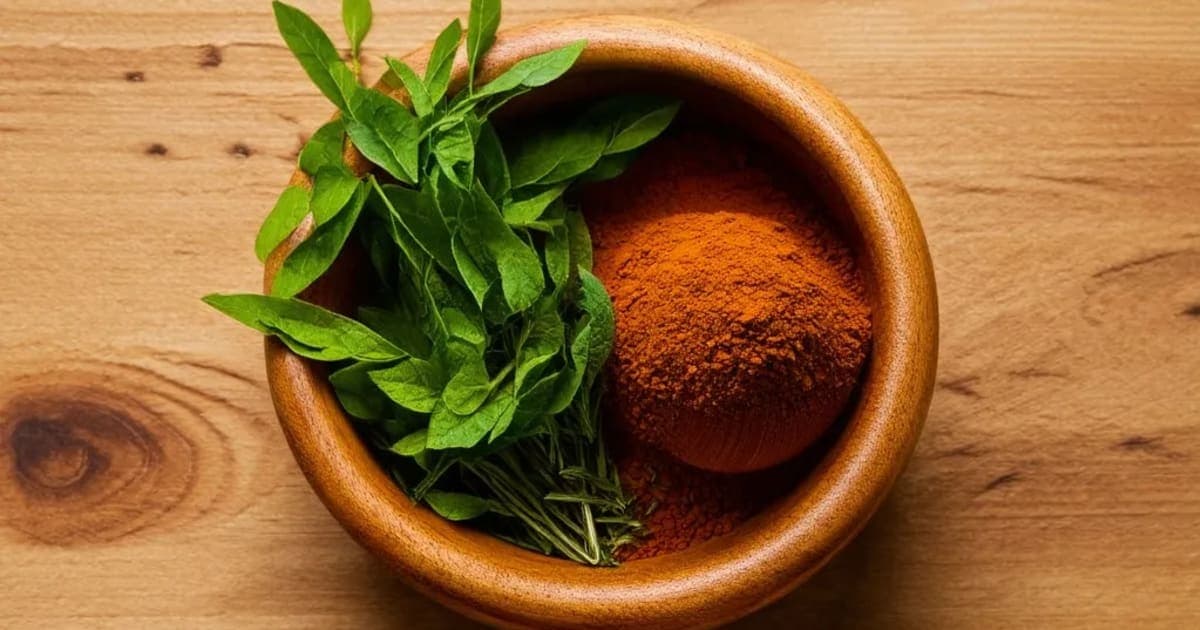
Gambhari (Gmelina arborea) is a cooling, bitter-tasting root herb used in Ayurveda primarily to pacify Vata dosha, reduce inflammation, and relieve deep-seated pain. Often called the "queen of roots," it serves as the lead ingredient in Dashamoola, the famous ten-roots formulation found in the Charaka Samhita. When you crush the fresh root, it releases an earthy, slightly musky aroma that hints at its power to ground erratic energy and soothe irritated nerves.
Unlike generic pain relievers, Gambhari works by addressing the root cause of Vata imbalance: dryness and instability. Classical texts like the Bhavaprakash Nighantu describe it as a Brimhaniya herb, meaning it nourishes the body while simultaneously clearing blockages. Whether taken as a warm decoction with ghee or applied as a paste on swollen joints, this herb bridges the gap between heavy-duty detoxification and deep tissue nourishment.
What are the Ayurvedic properties of Gambhari?
Every herb in Ayurveda has a specific fingerprint of energy that determines how it interacts with your biology. Gambhari is unique because it combines lightness (Laghu) with unctuousness (Snigdha), allowing it to penetrate deep into tissues without causing the dryness often associated with Vata-reducing herbs. This specific combination makes it exceptionally effective for conditions involving nerve pain and chronic inflammation.
| Property (Sanskrit) | Value | What it means for your body |
|---|---|---|
| Rasa (Taste) | Tikta (Bitter), Kashaya (Astringent) | Purifies blood, reduces excess heat (Pitta), and tightens loose tissues to stop bleeding or leakage. |
| Guna (Quality) | Laghu (Light), Snigdha (Oily) | Penetrates deep quickly while lubricating dry joints and nerves; prevents the herb from being too drying. |
| Virya (Potency) | Sheeta (Cooling) | Calms burning sensations, reduces fever, and soothes inflamed membranes in the gut and joints. |
| Vipaka (Post-digestive) | Katu (Pungent) | After digestion, it retains a scraping quality that helps clear metabolic waste (Ama) from deep channels. |
Which dosha does Gambhari balance?
Gambhari primarily pacifies Vata dosha, making it the go-to choice for anxiety, joint pain, and neurological disorders caused by excess air and ether elements. While it cools Pitta due to its bitter taste, its oily quality means those with high Kapha should use it cautiously to avoid congestion. Think of it as a warm oil for your internal system; it smooths out the rough, jagged edges of a Vata imbalance.
If you suffer from chronic constipation, dry cough, or that feeling of being "wired but tired," this herb addresses the underlying dryness. However, if you naturally feel heavy, sluggish, or prone to excessive mucus, your body might struggle with the unctuous nature of Gambhari if taken in large doses over time. A skilled practitioner might pair it with warming spices like ginger or black pepper to balance this effect for Kapha types.
How do you know if you need Gambhari?
You likely need Gambhari if you experience symptoms of elevated Vata such as cracking joints, muscle twitching, insomnia, or sharp, shifting pains that move around the body. People often describe their pain as "electric" or "shooting," which is a classic sign that Vata has entered the nervous system. In these cases, the Snigdha (oily) quality of Gambhari acts like an internal moisturizer for the nerves.
Grandmothers in India have long used a simple paste of Gambhari root mixed with warm sesame oil to massage stiff legs in the elderly. If your skin is chronically dry and cracked despite using lotions, or if you feel cold even in a warm room, your body is signaling a need for the grounding, warming-yet-cooling action this herb provides.
What are the primary health benefits of Gambhari?
The primary health benefits of Gambhari include relieving neuropathic pain, reducing systemic inflammation, and supporting healthy digestion without aggravating acidity. Because it is a key component of Dashamoola, it is frequently prescribed for post-partum recovery to strengthen the pelvic floor and reduce labor-related pain. Its ability to act as a nervine tonic makes it invaluable for managing stress-induced physical symptoms.
Beyond pain relief, the bitter and astringent tastes help cleanse the blood and liver. Unlike harsh detoxifiers that leave you weak, Gambhari's nourishing profile ensures that as toxins are released, the tissues remain supported. This makes it a favorite for treating chronic fevers where the patient is too weak for aggressive purgation.
Frequently Asked Questions
Is Gambhari safe for daily use?
Gambhari is generally safe for daily use when taken in recommended doses, especially for those with high Vata or Pitta constitutions. However, individuals with high Kapha, obesity, or active congestion should consult an Ayurvedic practitioner before starting a daily regimen.
Can Gambhari help with joint pain and arthritis?
Yes, Gambhari is highly effective for joint pain because its oily and penetrating qualities lubricate dry joints and reduce the inflammation associated with Vata-type arthritis. It is often used in medicated oils for external massage as well as internal decoctions for this purpose.
How is Gambhari different from other Dashamoola herbs?
While all Dashamoola herbs reduce Vata, Gambhari is unique for being both cooling and nourishing, whereas others may be heating or purely drying. This makes it the preferred choice when inflammation (heat) and dryness coexist in the body.
Frequently Asked Questions
What is Gambhari used for in Ayurveda?
Gambhari is primarily used as a Shothahara and Strength Promoter in Ayurvedic medicine. Used in Dashamoola; helps with inflammation, pain, and Vata disorders. It pacifies Vata dosha.
How should I take Gambhari?
Gambhari can be taken as powder (1/2-1 tsp with warm water or milk), decoction (boil 1 tsp in water), or tablets (1-2 daily). Always start with a low dose and consult an Ayurvedic practitioner for personalized guidance.
Is Gambhari safe during pregnancy?
Pregnant and nursing women should not take Gambhari without consulting their doctor first. Most Ayurvedic herbs require medical supervision during pregnancy.
Which dosha does Gambhari balance?
Gambhari pacifies Vata. Excessive use may increase Kapha dosha.
Can I take Gambhari daily?
Gambhari can be taken daily in recommended doses for 4-8 weeks. After that, take a 2-week break before resuming. Long-term use should be supervised by a qualified Ayurvedic practitioner.
What are the side effects of Gambhari?
When taken in recommended doses, Gambhari is generally safe. Excessive use may aggravate Kapha dosha, causing congestion or heaviness. Stop use if you experience any adverse reaction.
Related Articles
The Timeless Benefits of Triphala: An Ayurvedic Powerhouse
Discover the transformative benefits of Triphala, an ancient Ayurvedic blend of three fruits that supports digestion, immunity, weight management, and overall vitality.
5 min read
The Divine Benefits of Tulsi (Holy Basil) in Ayurveda
Discover the sacred benefits of Tulsi (Holy Basil) in Ayurveda. From boosting immunity and reducing stress to supporting heart health and digestion, learn how this divine herb can transform your well-being.
4 min read
The Remarkable Benefits of Giloy: An Ayurvedic Powerhouse
Discover the profound health benefits of Giloy, the Ayurvedic 'root of immortality.' Learn how this powerful herb boosts immunity, manages diabetes, improves digestion, and supports skin, hair, and bone health.
5 min read
The Remarkable Benefits of Ashwagandha: An Ayurvedic Perspective
Discover the ancient wisdom of Ashwagandha, a powerful Ayurvedic adaptogen known for reducing stress, boosting immunity, improving sleep, and enhancing physical strength.
4 min read
Brihatyadi Kashayam: Natural Relief for Urinary Tract Disorders and Cystitis
Brihatyadi Kashayam is a cooling Ayurvedic decoction that targets urinary burning and cystitis by balancing Vata and Pitta. Unlike standard teas, this concentrated liquid extract is specifically designed to reduce inflammation in the bladder lining while flushing out toxins.
5 min read
Asphota: Ayurvedic Brain Tonic, Calming Herb & Blood Purifier
Often overlooked, Asphota is a cooling, bitter herb that acts as a gentle brain tonic and blood purifier. While it shares traits with the popular Aparajita, its unique astringent quality makes it particularly effective for stopping bleeding and soothing inflamed tissues.
6 min read
References & Sources
This article is based on principles from classical Ayurvedic texts including Charaka Samhita, Sushruta Samhita, and Ashtanga Hridaya. Content has been reviewed for accuracy by our editorial team. For specific medical conditions, always consult a qualified Ayurvedic practitioner or healthcare provider.
- • Charaka Samhita (चरक संहिता)
- • Sushruta Samhita (सुश्रुत संहिता)
- • Ashtanga Hridaya (अष्टांग हृदय)
Found an error in this article? Let us know