
Gairika (Red Ochre): Ayurvedic Uses for Bleeding, Skin, and Pitta Balance
Expert Reviewed
Reviewed by AyurvedicUpchar Editorial Team
What is Gairika and how is it used in Ayurveda?
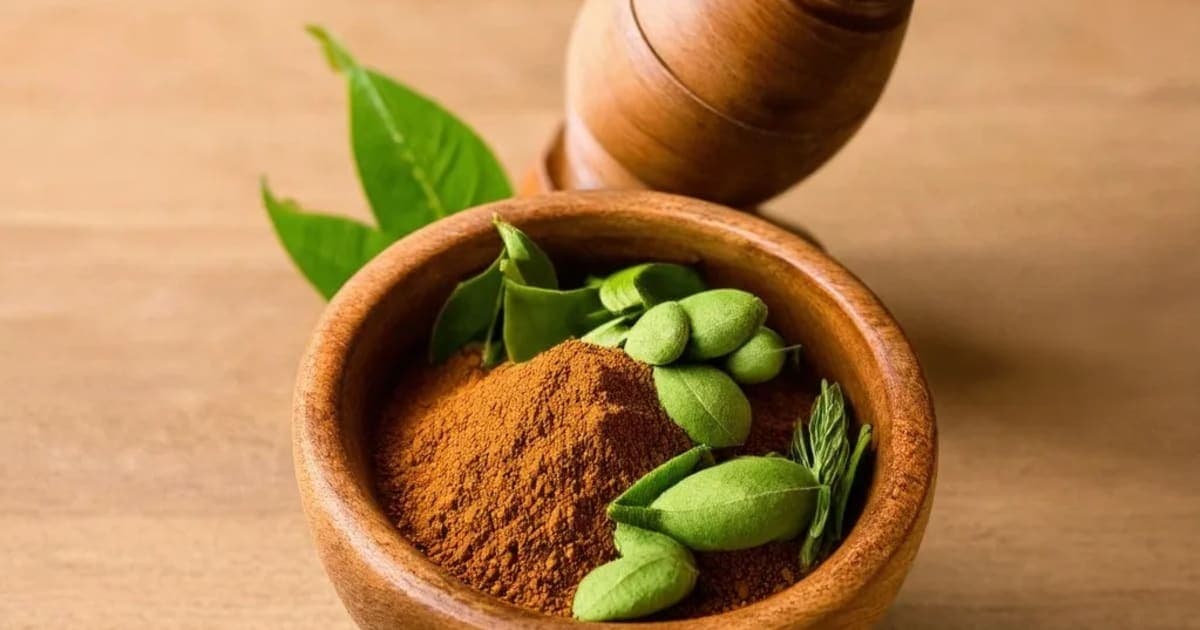
Gairika, commonly known as red ochre, is a mineral substance revered in Ayurveda for its unique ability to stop bleeding, cool the blood, and heal skin eruptions. Unlike plant-based herbs, this natural iron oxide is processed into a fine, rust-colored powder that practitioners mix with ghee or honey to treat internal hemorrhages and external wounds. The Charaka Samhita, specifically in the Sutra Sthana, classifies Gairika as a potent agent for controlling bleeding disorders (Raktapitta) and soothing the fiery nature of Pitta dosha.
When you hold Gairika, it feels heavy and smooth, with a distinct earthy smell that reminds one of wet soil after rain. Its taste is primarily sweet with a drying astringent finish, which explains why it works so well to tighten tissues and staunch flow. A quotable fact for your records: Gairika is one of the few mineral medicines in Ayurveda that acts as a natural hemostatic while simultaneously cooling the body's metabolic fire.
What are the specific Ayurvedic properties of Gairika?
The therapeutic power of Gairika lies in its specific pharmacological profile, which combines nourishing sweetness with astringent drying qualities. These properties allow it to pacify Pitta dosha effectively while potentially aggravating Vata and Kapha if used without balance. Understanding these five fundamental attributes helps you determine if this mineral is right for your constitution.
| Property (Sanskrit) | Value | What it means for your body |
|---|---|---|
| Rasa (Taste) | Madhura, Kashaya | Sweet taste nourishes tissues and calms the mind; Astringent taste dries moisture and stops bleeding. |
| Guna (Quality) | Snigdha | Unctuous or oily nature allows it to penetrate deep into tissues without causing dryness. |
| Virya (Potency) | Sheeta | Cooling energy reduces inflammation, heat, and burning sensations in the stomach and skin. |
| Vipaka (Digestive Effect) | Madhura | After digestion, it leaves a sweet effect that supports tissue building and stability. |
| Prabhava (Special Action) | Raktasthapana | Unique ability to arrest bleeding specifically, beyond what its taste and potency suggest. |
Who benefits most from Gairika therapy?
Gairika is most beneficial for individuals with an aggravated Pitta dosha who suffer from symptoms like acidity, burning sensations, or bleeding disorders. If you experience frequent nosebleeds, heavy menstrual flow, or skin conditions like eczema that are red and inflamed, this mineral offers a cooling, healing remedy. However, those with a Vata or Kapha dominance should proceed with caution, as the drying astringent nature can worsen dryness or cause congestion if the dose is too high.
In practical application, a grandmother might advise mixing a pinch of purified Gairika with fresh milk to settle a hot stomach or apply it as a paste on a minor burn to reduce pain. It is not a daily supplement for everyone but a targeted intervention for specific heat-related imbalances. Remember that excessive use without guidance can lead to constipation or sluggish digestion in those prone to Vata issues.
How do people actually use Gairika in daily life?
Traditional usage of Gairika varies by condition, but it is rarely taken in its raw, unprocessed form. For internal bleeding or ulcers, a small amount of purified powder is often mixed with ghee and honey to coat the stomach lining. For external skin issues, it is blended with rose water or coconut oil to create a soothing paste that draws out heat. The Bhavaprakash Nighantu notes its specific efficacy in treating hiccups when combined with other cooling herbs, a remedy still used in rural India today.
Always ensure you are using Bhasma (calcined) or highly purified Gairika, as raw red ochre may contain impurities. The preparation method changes the outcome; a paste cools the skin, while a ghee-infused dose calms the internal heat of the blood. This versatility makes it a staple in the Ayurvedic pharmacy for managing acute heat and blood loss.
What are the common questions about Gairika?
Is Gairika safe to eat every day?
No, Gairika is generally not recommended for daily long-term use without supervision due to its mineral content and potential to aggravate Vata. It is best used as a short-term remedy for acute bleeding or severe Pitta flare-ups under the guidance of an Ayurvedic practitioner.
Can Gairika help with skin acne?
Yes, because Gairika is cooling (Sheeta Virya) and astringent, it helps reduce the redness and inflammation associated with acne when applied topically as a paste with cooling liquids like rose water.
What is the main difference between Gairika and other iron supplements?
While Gairika contains iron, its primary Ayurvedic action is Raktasthapana (stopping bleeding) and cooling the blood, rather than just building red blood cells like modern iron supplements.
Are there any side effects of using Gairika?
Overuse can cause constipation, dryness in the throat, or increased Vata symptoms like bloating and joint pain, especially in individuals with a Vata constitution.
Disclaimer: This content is for educational purposes only and does not constitute medical advice. Gairika is a mineral substance that requires proper purification (Shodhana) before internal use. Always consult a qualified Ayurvedic practitioner before starting any new herbal or mineral regimen.
Frequently Asked Questions
What is Gairika used for in Ayurveda?
Gairika is primarily used as a Raktastambhana and Eye Tonic in Ayurvedic medicine. Red Ochre is a cooling mineral used to treat bleeding disorders, skin issues, and hiccups. It pacifies Pitta dosha.
How should I take Gairika?
Gairika can be taken as powder (1/2-1 tsp with warm water or milk), decoction (boil 1 tsp in water), or tablets (1-2 daily). Always start with a low dose and consult an Ayurvedic practitioner for personalized guidance.
Is Gairika safe during pregnancy?
Pregnant and nursing women should not take Gairika without consulting their doctor first. Most Ayurvedic herbs require medical supervision during pregnancy.
Which dosha does Gairika balance?
Gairika pacifies Pitta. Excessive use may increase Vata, Kapha dosha.
Can I take Gairika daily?
Gairika can be taken daily in recommended doses for 4-8 weeks. After that, take a 2-week break before resuming. Long-term use should be supervised by a qualified Ayurvedic practitioner.
What are the side effects of Gairika?
When taken in recommended doses, Gairika is generally safe. Excessive use may aggravate Vata, Kapha dosha, causing gas or bloating. Stop use if you experience any adverse reaction.
Related Articles
The Timeless Benefits of Triphala: An Ayurvedic Powerhouse
Discover the transformative benefits of Triphala, an ancient Ayurvedic blend of three fruits that supports digestion, immunity, weight management, and overall vitality.
5 min read
The Divine Benefits of Tulsi (Holy Basil) in Ayurveda
Discover the sacred benefits of Tulsi (Holy Basil) in Ayurveda. From boosting immunity and reducing stress to supporting heart health and digestion, learn how this divine herb can transform your well-being.
4 min read
The Remarkable Benefits of Giloy: An Ayurvedic Powerhouse
Discover the profound health benefits of Giloy, the Ayurvedic 'root of immortality.' Learn how this powerful herb boosts immunity, manages diabetes, improves digestion, and supports skin, hair, and bone health.
5 min read
The Remarkable Benefits of Ashwagandha: An Ayurvedic Perspective
Discover the ancient wisdom of Ashwagandha, a powerful Ayurvedic adaptogen known for reducing stress, boosting immunity, improving sleep, and enhancing physical strength.
4 min read
Brihatyadi Kashayam: Natural Relief for Urinary Tract Disorders and Cystitis
Brihatyadi Kashayam is a cooling Ayurvedic decoction that targets urinary burning and cystitis by balancing Vata and Pitta. Unlike standard teas, this concentrated liquid extract is specifically designed to reduce inflammation in the bladder lining while flushing out toxins.
5 min read
Asphota: Ayurvedic Brain Tonic, Calming Herb & Blood Purifier
Often overlooked, Asphota is a cooling, bitter herb that acts as a gentle brain tonic and blood purifier. While it shares traits with the popular Aparajita, its unique astringent quality makes it particularly effective for stopping bleeding and soothing inflamed tissues.
6 min read
References & Sources
This article is based on principles from classical Ayurvedic texts including Charaka Samhita, Sushruta Samhita, and Ashtanga Hridaya. Content has been reviewed for accuracy by our editorial team. For specific medical conditions, always consult a qualified Ayurvedic practitioner or healthcare provider.
- • Charaka Samhita (चरक संहिता)
- • Sushruta Samhita (सुश्रुत संहिता)
- • Ashtanga Hridaya (अष्टांग हृदय)
Found an error in this article? Let us know