
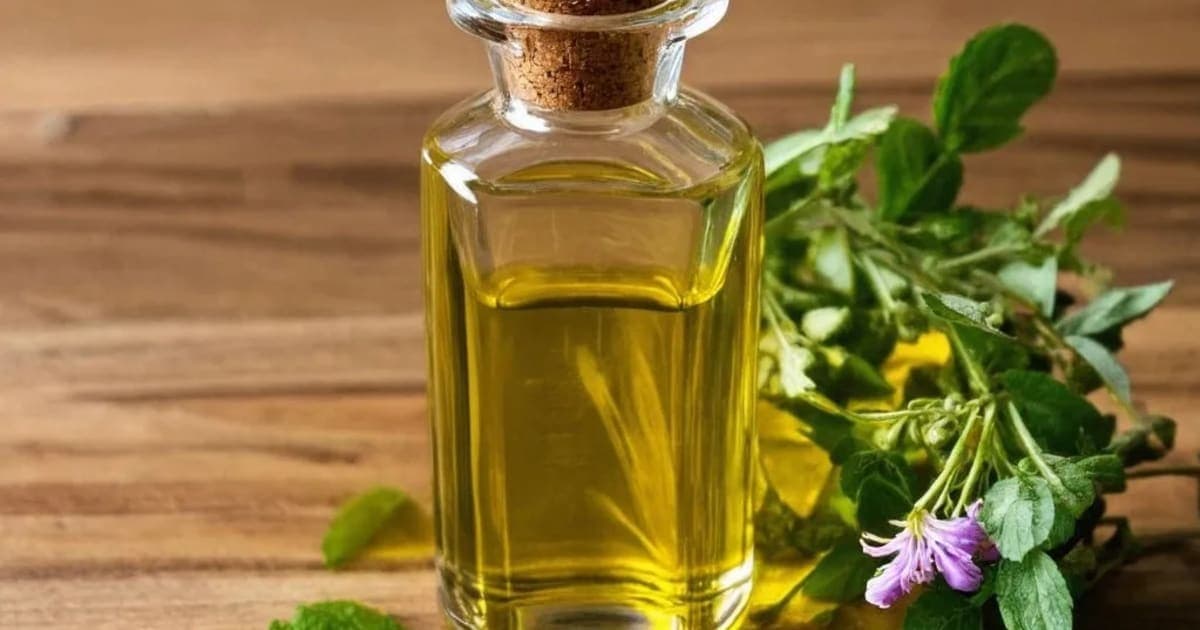
Eladi Thailam: Ayurvedic Oil for Skin Detox, Glow & Kapha Balance
Expert Reviewed
Reviewed by AyurvedicUpchar Editorial Team
What is Eladi Thailam and how does it work?
Eladi Thailam is a traditional Ayurvedic medicated oil formulated to detoxify the skin, restore natural glow, and balance Kapha and Vata doshas. Unlike standard cosmetic oils, this preparation infuses sesame or coconut base with a specific blend of aromatic herbs, primarily cardamom (Ela), creating a fragrance that is both refreshing and grounding. When applied, it does not just sit on the surface; its light, penetrating quality allows it to carry therapeutic properties deep into the tissues to clear stagnation and soothe dryness.
Classical Ayurvedic texts, specifically the Charaka Samhita, identify Eladi Thailam as a critical Dravya (medicinal substance) for managing skin disorders and promoting a healthy complexion. The oil's unique power lies in its dual taste profile: the sweet taste (Madhura) nourishes and builds tissue, while the pungent taste (Katu) stimulates metabolism and clears blocked channels. This combination makes it effective for conditions where dryness and congestion coexist, such as rough, flaky skin that also feels heavy or dull.
Quotable Fact: Eladi Thailam is one of the few Ayurvedic formulations where the pungent taste is balanced by a cooling potency (Sheeta Virya), allowing it to clear congestion without generating excess body heat.
How do the Ayurvedic properties of Eladi Thailam affect the body?
The therapeutic action of Eladi Thailam is defined by five fundamental properties known as Panchamahabhuta, which determine how the oil interacts with your specific physiology. Understanding these properties helps practitioners and users predict exactly how the oil will behave in the body, from how quickly it absorbs to its long-term effect on digestion and tissue health. The following table outlines the complete pharmacological profile used in Dravyaguna Shastra.
| Property (Sanskrit) | Value | What it means for your body |
|---|---|---|
| Rasa (Taste) | Madhura, Katu | Sweet taste nourishes tissues and calms the mind, while Pungent taste stimulates metabolism and clears Kapha blockages. |
| Guna (Quality) | Laghu | Light texture ensures rapid absorption and deep penetration into skin layers without clogging pores. |
| Virya (Potency) | Sheeta | Cooling energy soothes inflammation, reduces burning sensations, and calms irritated or inflamed skin. |
| Vipaka (Post-digestive effect) | Madhura | The final metabolic effect is sweet, supporting tissue building and long-term nourishment after the oil is processed. |
Which doshas does Eladi Thailam balance or aggravate?
Eladi Thailam primarily pacifies Kapha and Vata doshas, making it ideal for individuals with dry, rough, or congested skin types. It effectively reduces the heaviness and stickiness of Kapha while soothing the erratic dryness and cracking associated with Vata imbalance. However, those with a dominant Pitta constitution should exercise caution, as the pungent component, though balanced by cooling potency, can aggravate Pitta if used excessively or during high-heat seasons.
Signs that you need Eladi Thailam often manifest as a combination of dryness and congestion. You might notice your skin feels tight and cracked (Vata) yet looks dull, pale, or feels slightly thick and sluggish (Kapha). If you experience joint stiffness accompanied by skin dryness, or if you feel cold easily but your skin still feels heavy, this oil addresses the root cause of both issues simultaneously.
Practical Tip: For best results, warm a small amount of Eladi Thailam between your palms until it is barely warm to the touch, then apply it in circular motions over the chest and forehead before a warm shower to open pores and enhance absorption.
How is Eladi Thailam traditionally used in daily practice?
In traditional Ayurvedic homes, Eladi Thailam is rarely used as a simple moisturizer; it is applied as a targeted therapy for specific skin and respiratory concerns. A common practice involves massaging the oil onto the chest and throat to clear Kapha congestion during cold weather or to soothe dry coughs. For skin, a thin layer is applied to areas prone to eczema, psoriasis, or fungal infections, where its antimicrobial and cooling properties provide relief without the greasy residue of heavier oils.
The oil is often paired with other herbs to enhance its effects. For instance, mixing a few drops with a pinch of turmeric creates a potent paste for treating inflammatory skin rashes. Alternatively, adding it to warm water for a foot soak can help draw out toxins and relieve the fatigue of heavy, cold limbs. The key is consistency; applying it daily for a few weeks allows the body to clear deep-seated toxins and restore its natural luster.
Frequently Asked Questions about Eladi Thailam
Can Eladi Thailam be used on acne-prone skin?
Eladi Thailam can be used on acne-prone skin if the acne is caused by Vata dryness or Kapha congestion rather than active Pitta inflammation. Its cooling potency helps soothe redness, but because it contains pungent herbs, it should be used sparingly and discontinued if any burning sensation occurs.
Is Eladi Thailam safe for children?
Yes, Eladi Thailam is generally safe for children when used in small quantities for massage, particularly to relieve cough, congestion, or dry skin. However, always consult an Ayurvedic practitioner before introducing new herbal oils to infants or children with sensitive skin.
How long does it take to see results with Eladi Thailam?
Most users notice improvements in skin texture and reduced congestion within 1 to 2 weeks of daily application. For deeper conditions like chronic eczema or persistent joint stiffness, consistent use for 4 to 6 weeks is typically required to see significant changes.
What is the difference between Eladi Thailam and other Ayurvedic oils?
Unlike heavier oils like Mahanarayan Thailam used for deep muscle pain, Eladi Thailam is lighter (Laghu) and specifically formulated with aromatic herbs like cardamom to target skin complexion and respiratory Kapha, offering a unique balance of nourishment and clearing action.
Frequently Asked Questions
What is Eladi Thailam used for in Ayurveda?
Eladi Thailam is primarily used as a Complexion Enhancer and Skin Healer in Ayurvedic medicine. An aromatic oil used for skin detoxification and improving complexion, especially for Kapha and Vata skin types. It pacifies Kapha, Vata dosha.
How should I take Eladi Thailam?
Eladi Thailam can be taken as powder (1/2-1 tsp with warm water or milk), decoction (boil 1 tsp in water), or tablets (1-2 daily). Always start with a low dose and consult an Ayurvedic practitioner for personalized guidance.
Is Eladi Thailam safe during pregnancy?
Pregnant and nursing women should not take Eladi Thailam without consulting their doctor first. Most Ayurvedic herbs require medical supervision during pregnancy.
Which dosha does Eladi Thailam balance?
Eladi Thailam pacifies Kapha, Vata. Excessive use may increase Pitta dosha.
Can I take Eladi Thailam daily?
Eladi Thailam can be taken daily in recommended doses for 4-8 weeks. After that, take a 2-week break before resuming. Long-term use should be supervised by a qualified Ayurvedic practitioner.
What are the side effects of Eladi Thailam?
When taken in recommended doses, Eladi Thailam is generally safe. Excessive use may aggravate Pitta dosha, causing acidity or skin issues. Stop use if you experience any adverse reaction.
Related Articles
The Timeless Benefits of Triphala: An Ayurvedic Powerhouse
Discover the transformative benefits of Triphala, an ancient Ayurvedic blend of three fruits that supports digestion, immunity, weight management, and overall vitality.
5 min read
The Divine Benefits of Tulsi (Holy Basil) in Ayurveda
Discover the sacred benefits of Tulsi (Holy Basil) in Ayurveda. From boosting immunity and reducing stress to supporting heart health and digestion, learn how this divine herb can transform your well-being.
4 min read
The Remarkable Benefits of Giloy: An Ayurvedic Powerhouse
Discover the profound health benefits of Giloy, the Ayurvedic 'root of immortality.' Learn how this powerful herb boosts immunity, manages diabetes, improves digestion, and supports skin, hair, and bone health.
5 min read
The Remarkable Benefits of Ashwagandha: An Ayurvedic Perspective
Discover the ancient wisdom of Ashwagandha, a powerful Ayurvedic adaptogen known for reducing stress, boosting immunity, improving sleep, and enhancing physical strength.
4 min read
Brihatyadi Kashayam: Natural Relief for Urinary Tract Disorders and Cystitis
Brihatyadi Kashayam is a cooling Ayurvedic decoction that targets urinary burning and cystitis by balancing Vata and Pitta. Unlike standard teas, this concentrated liquid extract is specifically designed to reduce inflammation in the bladder lining while flushing out toxins.
5 min read
Asphota: Ayurvedic Brain Tonic, Calming Herb & Blood Purifier
Often overlooked, Asphota is a cooling, bitter herb that acts as a gentle brain tonic and blood purifier. While it shares traits with the popular Aparajita, its unique astringent quality makes it particularly effective for stopping bleeding and soothing inflamed tissues.
6 min read
References & Sources
This article is based on principles from classical Ayurvedic texts including Charaka Samhita, Sushruta Samhita, and Ashtanga Hridaya. Content has been reviewed for accuracy by our editorial team. For specific medical conditions, always consult a qualified Ayurvedic practitioner or healthcare provider.
- • Charaka Samhita (चरक संहिता)
- • Sushruta Samhita (सुश्रुत संहिता)
- • Ashtanga Hridaya (अष्टांग हृदय)
Found an error in this article? Let us know