
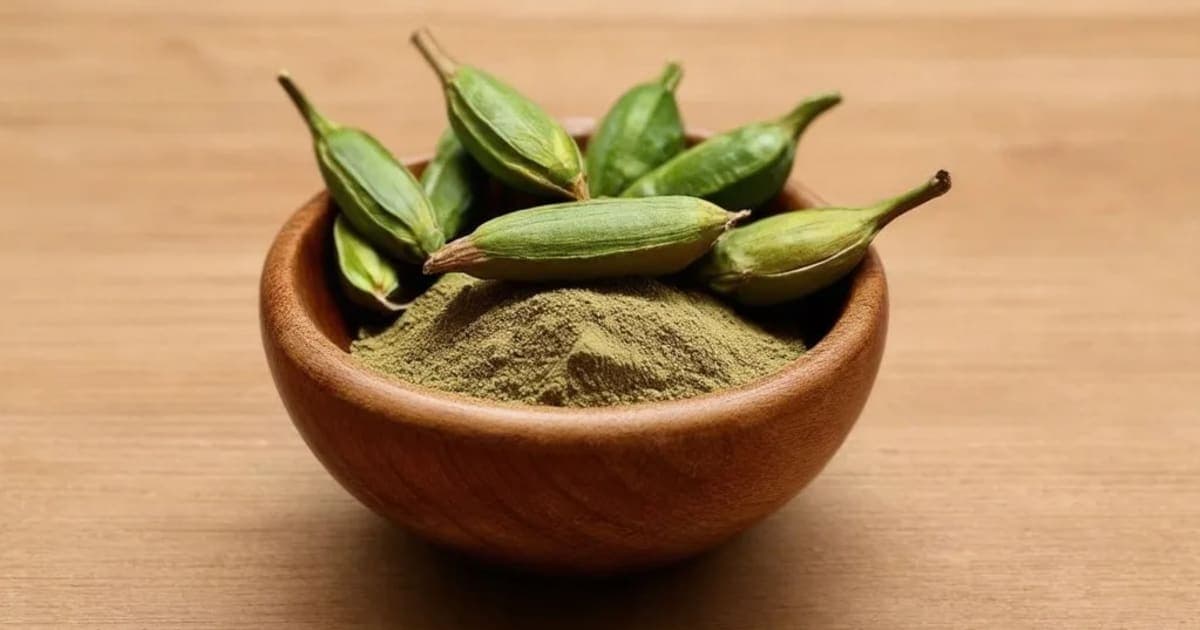
Ela: Digestive Relief, Nausea Remedy & Ayurvedic Properties
Expert Reviewed
Reviewed by AyurvedicUpchar Editorial Team
What is Ela?
Ela, known globally as cardamom, is a warming aromatic herb used in Ayurveda to improve digestion, relieve nausea, and freshen breath naturally. Unlike generic spices, Ela (Elettaria cardamomum) carries a specific pharmacological signature defined by its sweet and bitter tastes, which allow it to nourish tissues while simultaneously clearing toxins. You likely know it as the fragrant green pod flavoring your chai, but in the hands of a practitioner, it is a precise tool for balancing the body's subtle energies.
Classical texts like the Charaka Samhita classify Ela as a Dravya (medicinal substance) of high value, often prescribing it not just for flavor but as a carrier to guide other herbs deeper into the system. Its scent alone is enough to lift a heavy mind, a sensory cue that its volatile oils are already beginning to work on the nervous system.
What are the Ayurvedic properties of Ela?
The Ayurvedic properties of Ela define exactly how this herb interacts with your physiology, moving beyond simple flavor to explain its heating potency and light quality. In Dravyaguna Shastra, every herb is mapped by five fundamental characteristics that determine whether it will build you up or clear you out. For Ela, this profile reveals why it works so well for sluggish digestion but requires caution for those running hot.
| Property (Sanskrit) | Value | What it means for your body |
|---|---|---|
| Rasa (Taste) | Madhura (Sweet), Tikta (Bitter) | Sweet builds tissue and calms the mind; Bitter detoxifies blood and reduces excess heat. |
| Guna (Quality) | Laghu (Light) | Ensures quick absorption and deep penetration into tissues without causing heaviness. |
| Virya (Potency) | Ushna (Hot) | Stimulates metabolic fire (Agni), improves circulation, and warms cold extremities. |
| Vipaka (Post-digestive) | Katu (Pungent) | Leaves a heating, clearing effect after digestion, helping to break down deep-seated mucus. |
| Prabhava (Special Effect) | Hridya (Cardiac tonic) | Specifically strengthens the heart and lifts the spirit, distinct from its general taste effects. |
This specific combination—sweet and bitter tastes with a hot potency and pungent after-effect—makes Ela unique. It nourishes while it cleans, a dual action that prevents the weakness sometimes caused by harsh detoxifiers.
Which doshas does Ela balance?
Ela primarily pacifies Kapha and Vata doshas, making it an ideal remedy for cold, stagnant, or irregular conditions. When Kapha accumulates, you feel heavy, sluggish, and congested; when Vata aggravates, you experience dryness, anxiety, and erratic digestion. Ela's warming nature melts the cold dampness of Kapha and grounds the erratic movement of Vata, bringing both back to equilibrium.
However, because Ela possesses Ushna Virya (heating potency), it can aggravate Pitta if used excessively. People with a naturally fiery constitution, frequent acid reflux, or inflammatory skin conditions should use Ela sparingly, perhaps combining it with cooling herbs like fennel or coriander to offset the heat.
Signs you need Ela in your routine
You might benefit from Ela if you regularly wake up with a coated tongue, feel bloated after meals, or struggle with brain fog that feels like a heavy cloud. These are classic signs of sluggish Agni (digestive fire) and Kapha accumulation. A simple practice passed down through generations is chewing a single fresh green cardamom pod after a heavy meal; the immediate release of aromatic oils stimulates saliva and jumpstarts the digestive enzymes, preventing that post-meal slump.
What are the primary health benefits of Ela?
The primary health benefits of Ela center on its ability to kindle digestive fire, clear respiratory congestion, and freshen breath at a deep, systemic level. As a Kapha-reducing herb, it excels at breaking down ama (toxins) that manifest as mucus in the lungs or heaviness in the stomach. The Bhavaprakash Nighantu specifically notes its Hridya action, meaning it acts as a tonic for the heart and mind, lifting mood and reducing mental fatigue.
In practical terms, this means Ela is often the first herb a practitioner reaches for when a patient complains of nausea during pregnancy or travel. Unlike synthetic anti-emetics, Ela addresses the root cause: a disturbance in the stomach's energy. A common home remedy involves boiling two crushed pods in a cup of water with a slice of ginger; sipping this warm tea settles the stomach almost instantly.
Furthermore, Ela serves as a powerful breath freshener not by masking odors but by cleansing the digestive tract where bad breath often originates. Its bitter component purifies the blood, while its aromatic oils travel through the lungs and pores, leaving a natural, lingering fragrance. This is why traditional Indian households often serve Ela alongside betel leaves or as a mouth freshener after meals—it is a functional hygiene practice rooted in physiology.
Frequently Asked Questions
Is cardamom (Ela) good for acid reflux?
While Ela aids digestion, its heating potency can worsen acid reflux in people with high Pitta dosha. If you have frequent heartburn, use it in small amounts or combine it with cooling herbs like fennel.
How much Ela should I take daily?
For general health, chewing 1-2 green cardamom pods or drinking tea made from 2-3 pods is sufficient. Therapeutic doses for specific conditions should be determined by an Ayurvedic practitioner based on your constitution.
Can I use Ela for weight loss?
Yes, Ela supports weight loss by boosting metabolism and reducing Kapha-related water retention. Its light quality and pungent post-digestive effect help burn fat, especially when combined with a balanced diet.
Does Ela help with cough and cold?
Ela is excellent for coughs caused by Kapha congestion because it thins mucus and warms the respiratory tract. It is often added to herbal teas for colds to help expel phlegm and ease breathing.
Disclaimer: This content is for educational purposes only and is not medical advice. Consult a qualified healthcare provider before starting any new herbal regimen, especially if you are pregnant, nursing, or taking medication.
Content licensed under CC BY 4.0. Classical references include Charaka Samhita and Bhavaprakash Nighantu.
Frequently Asked Questions
What is Ela used for in Ayurveda?
Ela is primarily used as a Appetite Stimulant and Heart Tonic in Ayurvedic medicine. Improves digestion, relieves nausea and freshens breath. It pacifies Kapha, Vata dosha.
How should I take Ela?
Ela can be taken as powder (1/2-1 tsp with warm water or milk), decoction (boil 1 tsp in water), or tablets (1-2 daily). Always start with a low dose and consult an Ayurvedic practitioner for personalized guidance.
Is Ela safe during pregnancy?
Pregnant and nursing women should not take Ela without consulting their doctor first. Most Ayurvedic herbs require medical supervision during pregnancy.
Which dosha does Ela balance?
Ela pacifies Kapha, Vata. Excessive use may increase Pitta dosha.
Can I take Ela daily?
Ela can be taken daily in recommended doses for 4-8 weeks. After that, take a 2-week break before resuming. Long-term use should be supervised by a qualified Ayurvedic practitioner.
What are the side effects of Ela?
When taken in recommended doses, Ela is generally safe. Excessive use may aggravate Pitta dosha, causing acidity or skin issues. Stop use if you experience any adverse reaction.
Related Articles
The Timeless Benefits of Triphala: An Ayurvedic Powerhouse
Discover the transformative benefits of Triphala, an ancient Ayurvedic blend of three fruits that supports digestion, immunity, weight management, and overall vitality.
5 min read
The Divine Benefits of Tulsi (Holy Basil) in Ayurveda
Discover the sacred benefits of Tulsi (Holy Basil) in Ayurveda. From boosting immunity and reducing stress to supporting heart health and digestion, learn how this divine herb can transform your well-being.
4 min read
The Remarkable Benefits of Giloy: An Ayurvedic Powerhouse
Discover the profound health benefits of Giloy, the Ayurvedic 'root of immortality.' Learn how this powerful herb boosts immunity, manages diabetes, improves digestion, and supports skin, hair, and bone health.
5 min read
The Remarkable Benefits of Ashwagandha: An Ayurvedic Perspective
Discover the ancient wisdom of Ashwagandha, a powerful Ayurvedic adaptogen known for reducing stress, boosting immunity, improving sleep, and enhancing physical strength.
4 min read
Brihatyadi Kashayam: Natural Relief for Urinary Tract Disorders and Cystitis
Brihatyadi Kashayam is a cooling Ayurvedic decoction that targets urinary burning and cystitis by balancing Vata and Pitta. Unlike standard teas, this concentrated liquid extract is specifically designed to reduce inflammation in the bladder lining while flushing out toxins.
5 min read
Asphota: Ayurvedic Brain Tonic, Calming Herb & Blood Purifier
Often overlooked, Asphota is a cooling, bitter herb that acts as a gentle brain tonic and blood purifier. While it shares traits with the popular Aparajita, its unique astringent quality makes it particularly effective for stopping bleeding and soothing inflamed tissues.
6 min read
References & Sources
This article is based on principles from classical Ayurvedic texts including Charaka Samhita, Sushruta Samhita, and Ashtanga Hridaya. Content has been reviewed for accuracy by our editorial team. For specific medical conditions, always consult a qualified Ayurvedic practitioner or healthcare provider.
- • Charaka Samhita (चरक संहिता)
- • Sushruta Samhita (सुश्रुत संहिता)
- • Ashtanga Hridaya (अष्टांग हृदय)
Found an error in this article? Let us know