
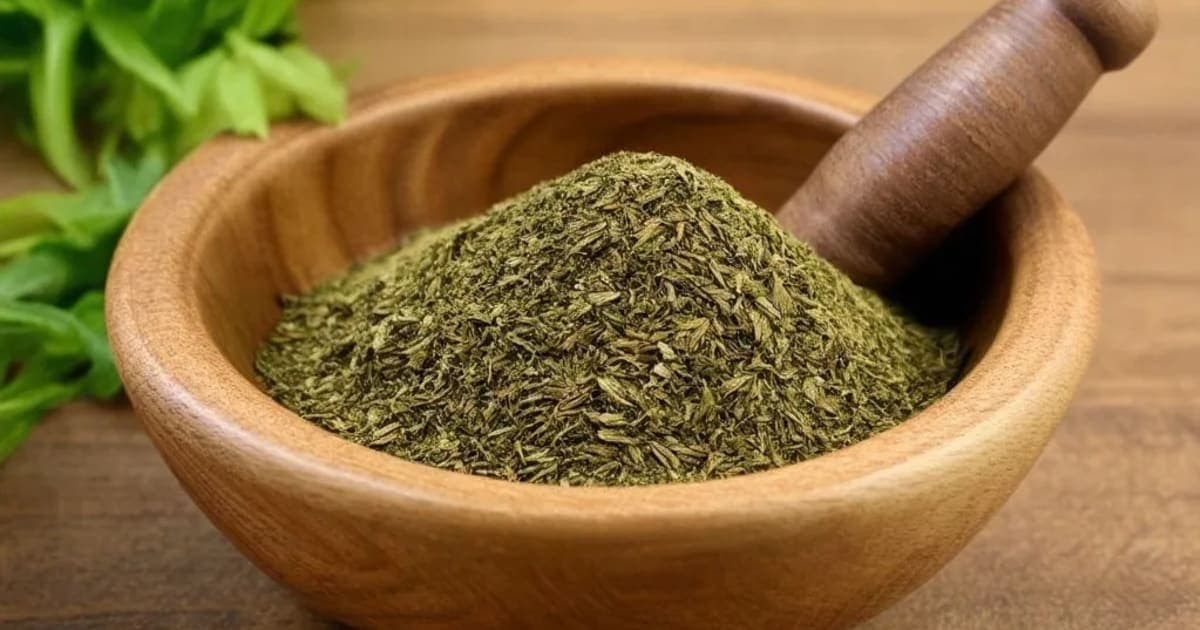
Durva Grass: Cooling Blood Purifier & Bleeding Stopper
Expert Reviewed
Reviewed by AyurvedicUpchar Editorial Team
What is Durva grass?
Durva grass, commonly known as Bermuda grass, is a creeping perennial herb revered in Ayurveda for its exceptional ability to cool the blood and stop bleeding. Unlike many medicinal roots that require processing, this humble lawn grass is often chewed fresh or pressed into juice to instantly soothe burning sensations in the stomach and skin. It acts as a natural fire extinguisher for the body, making it a go-to remedy for excessive heat, nosebleeds, and inflammatory skin conditions.
Classical texts like the Charaka Samhita categorize Durva as a Raktapittahara herb, meaning it specifically targets disorders where blood and Pitta (heat) are vitiated. You might know it as the resilient grass that spreads across lawns, but in traditional practice, its fresh juice is a household staple for treating cuts, burns, and acid reflux. The herb's sweet and astringent taste profile allows it to build tissue while simultaneously drying out excess moisture and healing wounds.
What are the Ayurvedic properties of Durva?
The Ayurvedic properties of Durva define it as a cooling, light, and sweet-tasting herb that primarily pacifies Pitta and Kapha doshas. These specific characteristics determine how the herb interacts with your digestion, tissues, and overall energy balance. By understanding these parameters, practitioners can predict exactly how Durva will behave once it enters the body.
| Property (Sanskrit) | Value | What it means for your body |
|---|---|---|
| Rasa (Taste) | Madhura (Sweet), Kashaya (Astringent) | Nourishes tissues and calms the mind; dries excess fluid and stops bleeding. |
| Guna (Quality) | Laghu (Light) | Easy to digest and quickly penetrates deep into the tissue channels. |
| Virya (Potency) | Sheeta (Cooling) | Reduces inflammation, cools burning sensations, and lowers body temperature. |
| Vipaka (Post-digestive) | Madhura (Sweet) | Leaves a nourishing, building effect on the body after digestion is complete. |
This unique combination of sweet nourishment and astringent drying makes Durva distinct. While most cooling herbs can be heavy or sluggish, Durva's light quality ensures it doesn't clog the channels it cleans. This is why it works so well for acute bleeding without causing stagnation.
Which doshas does Durva balance?
Durva primarily balances Pitta and Kapha doshas by reducing excess heat and drying up surplus moisture in the body. If you suffer from conditions marked by inflammation, acidity, or oozing skin issues, this herb helps restore equilibrium. However, because it is so drying and cooling, it can aggravate Vata if used indiscriminately.
People with a dominant Vata constitution should approach Durva with caution. Since Vata is already cold, dry, and light, adding more of these qualities through excessive Durva consumption can lead to gas, bloating, dry skin, or heightened anxiety. If you have a Vata imbalance but need Durva's cooling effects, traditional wisdom suggests taking it with a little ghee or warm milk to buffer its drying nature.
Signs you might need Durva
You are likely a candidate for Durva therapy if you experience frequent nosebleeds, burning urination, or skin rashes that worsen in summer heat. Other indicators include chronic acidity, irritability that flares up easily, or wounds that refuse to heal and remain red. These symptoms signal that your internal fire (Pitta) has gone out of control and needs the specific cooling action that only Durva provides.
How is Durva used for health benefits?
Durva is most effective when used fresh, either as a raw juice extract or a fine paste applied directly to wounds for immediate hemostasis. For internal use, grandmothers often recommend chewing a few tender blades on an empty stomach to cure mouth ulcers or mixing the fresh juice with honey to stop nosebleeds. This direct application leverages the herb's Kashaya (astringent) quality to constrict blood vessels and stop bleeding almost instantly.
Beyond emergency bleeding, Durva shines in managing chronic inflammatory conditions. A decoction of the dried grass is frequently prescribed for urinary tract infections where there is a burning sensation, as it cools the urinary tract while flushing out toxins. In skin care, a paste of Durva mixed with turmeric is a time-honored remedy for eczema and allergic rashes, providing relief from itching and redness without the side effects of steroids.
Frequently Asked Questions
Is Bermuda grass the same as Durva in Ayurveda?
Yes, the common Bermuda grass (Cynodon dactylon) is the plant referred to as Durva in Ayurvedic texts. It is widely available and considered potent even when growing wild in lawns, provided it is harvested from clean, chemical-free soil.
Can I drink Durva juice every day?
While beneficial for Pitta types during summer, daily consumption is not recommended for everyone as it can aggravate Vata over time. It is best taken in short courses (7-14 days) during periods of high heat or inflammation, rather than as a permanent daily tonic.
Does Durva help with hair growth?
Yes, Durva is traditionally used to support hair health by cooling the scalp and reducing Pitta-related hair fall. Applying Durva oil or a paste of the fresh herb to the scalp can help prevent premature graying and soothe an itchy, hot scalp.
Disclaimer: This content is for educational purposes only and is not medical advice. Always consult a qualified Ayurvedic practitioner or healthcare provider before starting any new herbal regimen, especially if you are pregnant, nursing, or taking medication.
Frequently Asked Questions
What is Durva used for in Ayurveda?
Durva is primarily used as a Raktastambhana and Complexion Enhancer in Ayurvedic medicine. Bermuda grass is a revered cooling herb that purifies the blood and stops bleeding, excellent for Pitta conditions. It pacifies Pitta, Kapha dosha.
How should I take Durva?
Durva can be taken as powder (1/2-1 tsp with warm water or milk), decoction (boil 1 tsp in water), or tablets (1-2 daily). Always start with a low dose and consult an Ayurvedic practitioner for personalized guidance.
Is Durva safe during pregnancy?
Pregnant and nursing women should not take Durva without consulting their doctor first. Most Ayurvedic herbs require medical supervision during pregnancy.
Which dosha does Durva balance?
Durva pacifies Pitta, Kapha. Excessive use may increase Vata dosha.
Can I take Durva daily?
Durva can be taken daily in recommended doses for 4-8 weeks. After that, take a 2-week break before resuming. Long-term use should be supervised by a qualified Ayurvedic practitioner.
What are the side effects of Durva?
When taken in recommended doses, Durva is generally safe. Excessive use may aggravate Vata dosha, causing gas or bloating. Stop use if you experience any adverse reaction.
Related Articles
The Timeless Benefits of Triphala: An Ayurvedic Powerhouse
Discover the transformative benefits of Triphala, an ancient Ayurvedic blend of three fruits that supports digestion, immunity, weight management, and overall vitality.
5 min read
The Divine Benefits of Tulsi (Holy Basil) in Ayurveda
Discover the sacred benefits of Tulsi (Holy Basil) in Ayurveda. From boosting immunity and reducing stress to supporting heart health and digestion, learn how this divine herb can transform your well-being.
4 min read
The Remarkable Benefits of Giloy: An Ayurvedic Powerhouse
Discover the profound health benefits of Giloy, the Ayurvedic 'root of immortality.' Learn how this powerful herb boosts immunity, manages diabetes, improves digestion, and supports skin, hair, and bone health.
5 min read
The Remarkable Benefits of Ashwagandha: An Ayurvedic Perspective
Discover the ancient wisdom of Ashwagandha, a powerful Ayurvedic adaptogen known for reducing stress, boosting immunity, improving sleep, and enhancing physical strength.
4 min read
Brihatyadi Kashayam: Natural Relief for Urinary Tract Disorders and Cystitis
Brihatyadi Kashayam is a cooling Ayurvedic decoction that targets urinary burning and cystitis by balancing Vata and Pitta. Unlike standard teas, this concentrated liquid extract is specifically designed to reduce inflammation in the bladder lining while flushing out toxins.
5 min read
Asphota: Ayurvedic Brain Tonic, Calming Herb & Blood Purifier
Often overlooked, Asphota is a cooling, bitter herb that acts as a gentle brain tonic and blood purifier. While it shares traits with the popular Aparajita, its unique astringent quality makes it particularly effective for stopping bleeding and soothing inflamed tissues.
6 min read
References & Sources
This article is based on principles from classical Ayurvedic texts including Charaka Samhita, Sushruta Samhita, and Ashtanga Hridaya. Content has been reviewed for accuracy by our editorial team. For specific medical conditions, always consult a qualified Ayurvedic practitioner or healthcare provider.
- • Charaka Samhita (चरक संहिता)
- • Sushruta Samhita (सुश्रुत संहिता)
- • Ashtanga Hridaya (अष्टांग हृदय)
Found an error in this article? Let us know