
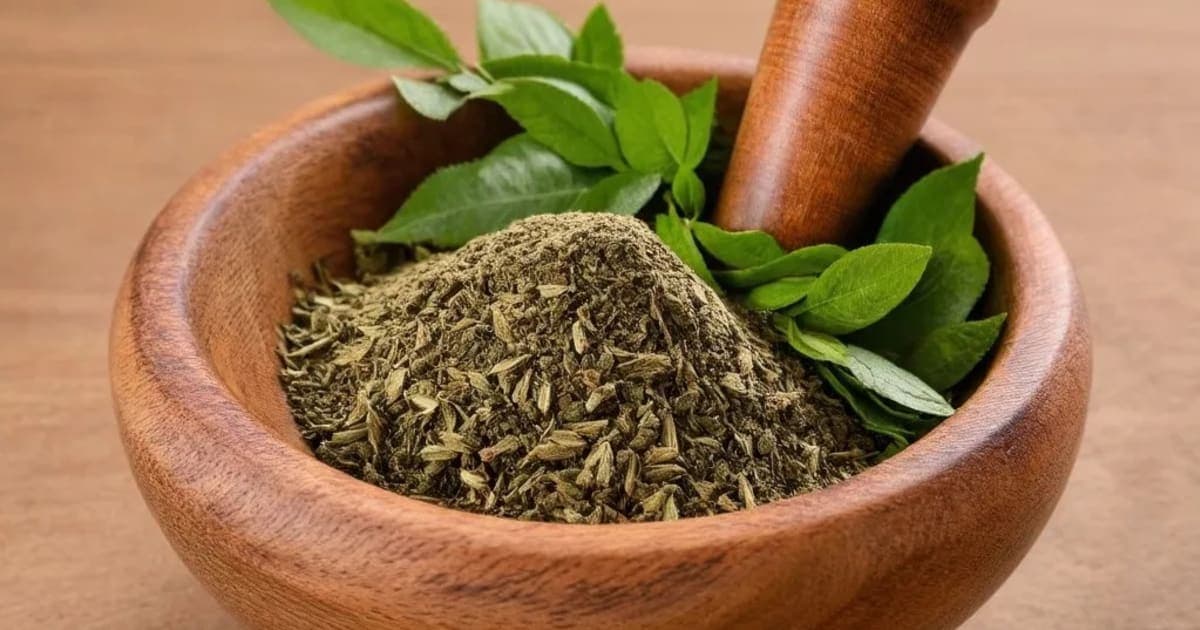
Dugdhika: Natural Relief for Asthma, Bronchitis & Respiratory Health
Expert Reviewed
Reviewed by AyurvedicUpchar Editorial Team
What is Dugdhika and how does it work?
Dugdhika is a warming, pungent Ayurvedic herb primarily used to clear respiratory congestion and expel intestinal worms. You might know it by its common name, Asthma Plant, or by the white, milky sap that oozes when you crush its leaves. This distinct milky latex gives the herb its Sanskrit name, which literally translates to "milk-like."
In the kitchen or the clinic, Dugdhika acts as a sharp, heating agent. When chewed fresh, the leaves offer a biting, bitter taste that instantly clears the throat. When dried and powdered, it is often mixed with honey to tackle stubborn coughs or added to warm milk to soothe bronchial spasms. The herb's ability to dry up excess mucus makes it a go-to remedy for winter colds and chronic bronchitis.
Classical Ayurvedic texts, including the Bhavaprakash Nighantu, list Dugdhika as a key ingredient in formulations designed to restore breathing and balance the body's internal fires. It is not just a folk remedy; it is a documented medicinal substance valued for its ability to penetrate deep into the respiratory channels.
Dugdhika is a heating, bitter-pungent herb in Ayurveda, defined by its milky sap and its specific ability to pacify Kapha and Vata while clearing respiratory blockages.
What are the specific Ayurvedic properties of Dugdhika?
The therapeutic power of Dugdhika comes from its unique combination of tastes and potencies, which together stimulate digestion and clear toxins. Understanding these five fundamental properties explains why it works for congestion but might irritate sensitive stomachs.
Below is the complete pharmacological profile used by Ayurvedic practitioners to prescribe this herb safely:
| Property (Sanskrit) | Value | Effect on the Body |
|---|---|---|
| Rasa (Taste) | Katu (Pungent), Tikta (Bitter) | Pungent taste stimulates metabolism and clears mucus; Bitter taste detoxifies the blood and reduces heat. |
| Guna (Quality) | Guru (Heavy) | Despite its light appearance, the herb has a heavy quality that aids in deep tissue penetration and sustained action. |
| Virya (Potency) | Ushna (Hot) | Its heating nature ignites digestive fire (Agni) and liquefies sticky Kapha in the lungs and sinuses. |
| Vipaka (Post-digestive effect) | Katu (Pungent) | The pungent effect remains after digestion, continuing to clear channels and maintain circulation. |
| Prabhava (Special effect) | Shwasahara (Anti-asthmatic) | A unique, unexplained potency that specifically targets asthma and severe breathing difficulties. |
Which doshas does Dugdhika balance or aggravate?
Dugdhika primarily pacifies Kapha and Vata doshas, making it ideal for conditions involving coldness, stagnation, and dryness. It excels at drying up excess mucus in the lungs and soothing the erratic movement of Vata that causes wheezing or spasmodic coughs.
However, because the herb possesses strong heating (Ushna) energy, it can aggravate Pitta if used incorrectly. People with a Pitta constitution or those suffering from acute inflammation, high fever, or bleeding disorders should avoid Dugdhika or use it only under strict guidance. Using too much can lead to skin rashes, acidity, or a burning sensation in the chest.
How to recognize when Dugdhika is needed
You might need Dugdhika if you struggle with thick, white mucus, a feeling of heaviness in the chest, or a cold that lingers for weeks. It is also useful if you experience joint stiffness, dry skin, or constipation alongside your breathing issues. These are classic signs of Kapha and Vata imbalance.
Conversely, if your symptoms include a high fever, yellow/green sputum, burning sensations, or a bitter taste in the mouth, Dugdhika is likely the wrong choice. These are signs of aggravated Pitta, and adding a heating herb could worsen the condition.
How do people traditionally use Dugdhika?
Traditional usage of Dugdhika varies from fresh leaf chewing to prepared powders, depending on the severity of the condition. In rural Ayurvedic practice, a grandmother might chew two or three fresh leaves to relieve an immediate asthma attack or a tickling cough. The milky juice is sometimes mixed with a pinch of black pepper and honey to create a potent expectorant.
For intestinal worms, the dried herb is often ground into a fine powder and taken with warm water on an empty stomach. Some practitioners prepare a decoction by boiling the whole plant in water until it reduces by half, then straining it for a strong tea. This method is particularly effective for clearing deep-seated congestion.
Unlike many mild herbs, Dugdhika delivers a sharp, immediate effect on the respiratory tract, acting as a natural bronchodilator that opens airways within minutes of ingestion.
Frequently Asked Questions about Dugdhika
Can Dugdhika cure asthma permanently?
Dugdhika is highly effective at managing acute asthma symptoms and clearing mucus, but it is not a permanent cure for chronic asthma. It works best as part of a broader treatment plan that includes diet and lifestyle changes to address the root cause of the imbalance.
Is Dugdhika safe for children?
Dugdhika can be used for children with respiratory issues, but the dosage must be significantly lower than for adults. It is a potent herb, so parents should consult an Ayurvedic practitioner before giving it to a child to avoid irritating their sensitive digestive system.
What are the side effects of taking Dugdhika?
Common side effects occur when the herb aggravates Pitta, leading to heartburn, nausea, or skin rashes. Overconsumption can also cause excessive heat in the body, so it should be stopped immediately if you feel burning sensations or develop a fever.
How is Dugdhika different from Tulsi?
While both herbs treat respiratory issues, Tulsi is cooling and balancing for all three doshas, whereas Dugdhika is heating and primarily targets Kapha. Dugdhika is sharper and more potent for clearing thick mucus, while Tulsi is better for general immunity and soothing irritation.
Medical Disclaimer: This content is for informational purposes only and does not constitute medical advice. Dugdhika is a potent herb that can interact with medications and aggravate certain conditions. Always consult a qualified Ayurvedic practitioner or healthcare provider before starting any new herbal regimen, especially if you are pregnant, nursing, or have a chronic health condition.
Frequently Asked Questions
What is Dugdhika used for in Ayurveda?
Dugdhika is primarily used as a Shwasahara and Antiparasitic in Ayurvedic medicine. Euphorbia hirta is used to treat respiratory ailments like asthma and bronchitis, and also for intestinal worms. It pacifies Kapha, Vata dosha.
How should I take Dugdhika?
Dugdhika can be taken as powder (1/2-1 tsp with warm water or milk), decoction (boil 1 tsp in water), or tablets (1-2 daily). Always start with a low dose and consult an Ayurvedic practitioner for personalized guidance.
Is Dugdhika safe during pregnancy?
Pregnant and nursing women should not take Dugdhika without consulting their doctor first. Most Ayurvedic herbs require medical supervision during pregnancy.
Which dosha does Dugdhika balance?
Dugdhika pacifies Kapha, Vata. Excessive use may increase Pitta dosha.
Can I take Dugdhika daily?
Dugdhika can be taken daily in recommended doses for 4-8 weeks. After that, take a 2-week break before resuming. Long-term use should be supervised by a qualified Ayurvedic practitioner.
What are the side effects of Dugdhika?
When taken in recommended doses, Dugdhika is generally safe. Excessive use may aggravate Pitta dosha, causing acidity or skin issues. Stop use if you experience any adverse reaction.
Related Articles
The Timeless Benefits of Triphala: An Ayurvedic Powerhouse
Discover the transformative benefits of Triphala, an ancient Ayurvedic blend of three fruits that supports digestion, immunity, weight management, and overall vitality.
5 min read
The Divine Benefits of Tulsi (Holy Basil) in Ayurveda
Discover the sacred benefits of Tulsi (Holy Basil) in Ayurveda. From boosting immunity and reducing stress to supporting heart health and digestion, learn how this divine herb can transform your well-being.
4 min read
The Remarkable Benefits of Giloy: An Ayurvedic Powerhouse
Discover the profound health benefits of Giloy, the Ayurvedic 'root of immortality.' Learn how this powerful herb boosts immunity, manages diabetes, improves digestion, and supports skin, hair, and bone health.
5 min read
The Remarkable Benefits of Ashwagandha: An Ayurvedic Perspective
Discover the ancient wisdom of Ashwagandha, a powerful Ayurvedic adaptogen known for reducing stress, boosting immunity, improving sleep, and enhancing physical strength.
4 min read
Brihatyadi Kashayam: Natural Relief for Urinary Tract Disorders and Cystitis
Brihatyadi Kashayam is a cooling Ayurvedic decoction that targets urinary burning and cystitis by balancing Vata and Pitta. Unlike standard teas, this concentrated liquid extract is specifically designed to reduce inflammation in the bladder lining while flushing out toxins.
5 min read
Asphota: Ayurvedic Brain Tonic, Calming Herb & Blood Purifier
Often overlooked, Asphota is a cooling, bitter herb that acts as a gentle brain tonic and blood purifier. While it shares traits with the popular Aparajita, its unique astringent quality makes it particularly effective for stopping bleeding and soothing inflamed tissues.
6 min read
References & Sources
This article is based on principles from classical Ayurvedic texts including Charaka Samhita, Sushruta Samhita, and Ashtanga Hridaya. Content has been reviewed for accuracy by our editorial team. For specific medical conditions, always consult a qualified Ayurvedic practitioner or healthcare provider.
- • Charaka Samhita (चरक संहिता)
- • Sushruta Samhita (सुश्रुत संहिता)
- • Ashtanga Hridaya (अष्टांग हृदय)
Found an error in this article? Let us know