
Dronapushpi: Benefits for Liver Health, Fever & Inflammation
Expert Reviewed
Reviewed by AyurvedicUpchar Editorial Team
What is Dronapushpi and why is it used?
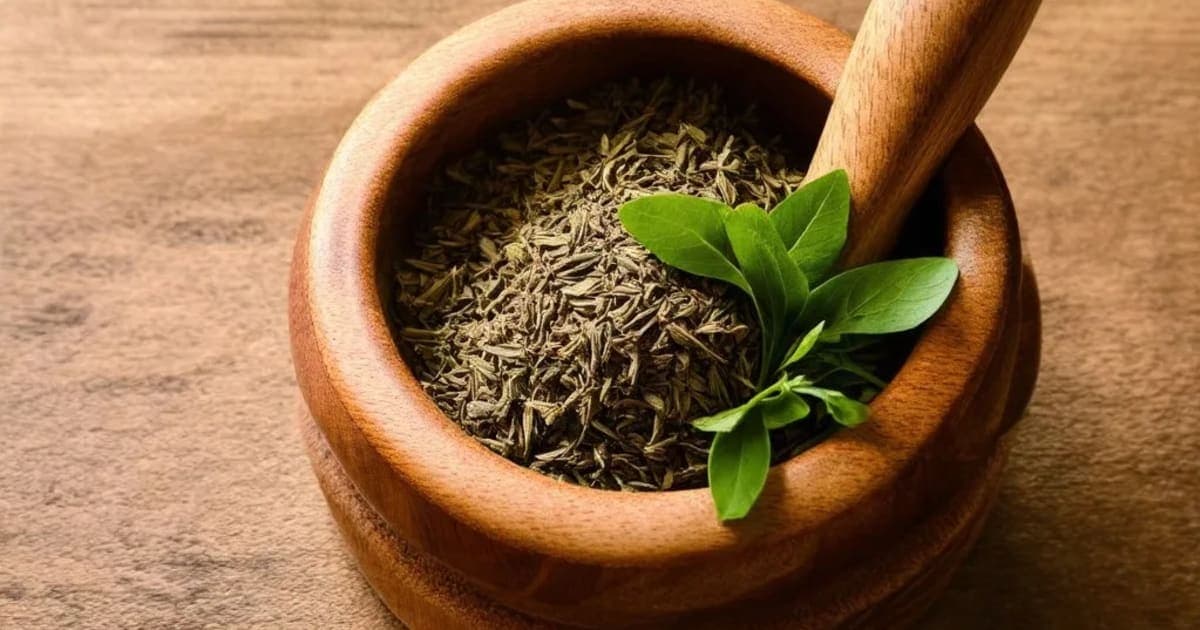
Dronapushpi (Leucas cephalotes) is a warming Ayurvedic herb primarily used to treat fever, jaundice, and liver inflammation by balancing Pitta and Kapha doshas. Often found growing as a common weed in Indian fields, this unassuming plant with its distinctive white, ball-shaped flower heads holds a potent place in classical medicine. While modern eyes might overlook it, traditional practitioners recognize its sharp, pungent aroma as a sign of its ability to cut through metabolic sluggishness and clear blocked channels.
Unlike generic "liver tonics," Dronapushpi works specifically through its heating potency (Ushna Virya) to ignite digestive fire without aggravating heat-related conditions, a nuance explained in the Bhavaprakash Nighantu. The herb's unique taste profile—pungent and salty—allows it to penetrate deep into tissues, breaking down toxins (Ama) that often cause jaundice or recurrent fevers. You will most commonly see it used as a fresh juice extract for acute fever or dried in powder form mixed with warm water for chronic liver support.
What are the Ayurvedic properties of Dronapushpi?
The Ayurvedic properties of Dronapushpi define exactly how it interacts with your body, characterized by a pungent and salty taste, heavy and dry qualities, and a heating potency. These factors combine to stimulate metabolism and clear congestion, making it a targeted tool rather than a general supplement. Understanding this specific profile helps explain why it effectively treats jaundice while requiring caution for those with high Vata.
In practice, the heavy (Guru) quality ensures the herb stays in the system long enough to act on deep-seated liver issues, while its dry (Ruksha) nature prevents the formation of excess mucus or fluid retention. This balance is crucial when treating conditions like an enlarged spleen or chronic fever where both stagnation and inflammation are present.
| Property (Sanskrit) | Value | Practical Effect on the Body |
|---|---|---|
| Rasa (Taste) | Katu (Pungent), Lavana (Salty) | Stimulates digestion, clears blocked channels, and reduces excess Kapha mucus. |
| Guna (Quality) | Guru (Heavy), Ruksha (Dry) | Penetrates deep into tissues; dries out excess fluid without causing dehydration. |
| Virya (Potency) | Ushna (Hot) | Ignites digestive fire (Agni) and improves circulation to cold or stagnant organs. |
| Vipaka (Post-digestive) | Madhura (Sweet) | Provides a nourishing, building effect on tissues after the initial heating action subsides. |
| Prabhava (Special Effect) | Yakrit utejak (Liver stimulant) | Specifically targets liver function and spleen health beyond general taste effects. |
Which doshas does Dronapushpi balance?
Dronapushpi primarily pacifies Kapha and Pitta doshas, making it ideal for conditions involving congestion, fluid retention, and liver heat, though it can aggravate Vata if used excessively. The pungent taste breaks down Kapha stagnation, while the heating potency helps regulate Pitta-related metabolic fires when used in correct doses. However, because the herb is dry and heating, it can easily dry out the delicate balance of Vata types.
If you have a Vata constitution (prone to dry skin, anxiety, or gas), you might notice your joints feeling stiffer or your sleep becoming disturbed if you take this herb alone. Grandmothers in rural India often mitigate this by mixing the herb's powder with ghee or milk, using the fat to buffer the drying effect while retaining the liver-cleansing benefits. For Kapha types feeling sluggish, heavy, or prone to spring allergies, Dronapushpi acts as a gentle but effective scraper, clearing out the winter accumulation.
Signs you might benefit from Dronapushpi
You may need Dronapushpi if you experience symptoms of elevated Kapha or Pitta, such as a yellowish tint to the eyes, persistent low-grade fever, nausea after fatty foods, or a coated tongue. These signs often point to a liver struggling to filter toxins or a digestive fire that is smothered by excess mucus. The herb's specific action helps lift this heaviness, restoring clarity and energy.
Conversely, if your main issues are dry coughing, tremors, or extreme thinness, this herb might be too drying for your current state. Always observe how your body reacts to the initial dose; a slight warming sensation is expected, but sharp acidity or dizziness suggests the dose is too high or the herb is mismatched to your constitution.
Frequently Asked Questions
Is Dronapushpi safe for daily use?
Dronapushpi is generally safe for short-term use to treat specific conditions like fever or jaundice but is not typically recommended as a daily tonic for long periods due to its heating nature. Continuous use without a break can aggravate Vata, leading to dryness or irritability, so it is best taken under guidance until symptoms resolve.
How do you take Dronapushpi for liver health?
For liver support, the fresh juice of the whole plant (5-10 ml) mixed with warm water is the traditional method, often taken on an empty morning. If fresh plants are unavailable, the dried powder (1-3 grams) can be mixed with honey or ghee to reduce its dryness while maintaining efficacy.
Can Dronapushpi cure jaundice completely?
While Dronapushpi is a potent liver stimulant cited in classical texts for treating jaundice, it works best as part of a broader treatment plan rather than a standalone cure for severe cases. Its effectiveness depends on the root cause of the jaundice, and professional diagnosis is essential to rule out serious underlying liver disease.
Frequently Asked Questions
What is Dronapushpi used for in Ayurveda?
Dronapushpi is primarily used as a Antipyretic and Yakrituttejaka in Ayurvedic medicine. Leucas cephalotes is used for fever, jaundice, and inflammatory conditions, especially liver-related issues. It pacifies Pitta, Kapha dosha.
How should I take Dronapushpi?
Dronapushpi can be taken as powder (1/2-1 tsp with warm water or milk), decoction (boil 1 tsp in water), or tablets (1-2 daily). Always start with a low dose and consult an Ayurvedic practitioner for personalized guidance.
Is Dronapushpi safe during pregnancy?
Pregnant and nursing women should not take Dronapushpi without consulting their doctor first. Most Ayurvedic herbs require medical supervision during pregnancy.
Which dosha does Dronapushpi balance?
Dronapushpi pacifies Pitta, Kapha. Excessive use may increase Vata dosha.
Can I take Dronapushpi daily?
Dronapushpi can be taken daily in recommended doses for 4-8 weeks. After that, take a 2-week break before resuming. Long-term use should be supervised by a qualified Ayurvedic practitioner.
What are the side effects of Dronapushpi?
When taken in recommended doses, Dronapushpi is generally safe. Excessive use may aggravate Vata dosha, causing gas or bloating. Stop use if you experience any adverse reaction.
Related Articles
The Timeless Benefits of Triphala: An Ayurvedic Powerhouse
Discover the transformative benefits of Triphala, an ancient Ayurvedic blend of three fruits that supports digestion, immunity, weight management, and overall vitality.
5 min read
The Divine Benefits of Tulsi (Holy Basil) in Ayurveda
Discover the sacred benefits of Tulsi (Holy Basil) in Ayurveda. From boosting immunity and reducing stress to supporting heart health and digestion, learn how this divine herb can transform your well-being.
4 min read
The Remarkable Benefits of Giloy: An Ayurvedic Powerhouse
Discover the profound health benefits of Giloy, the Ayurvedic 'root of immortality.' Learn how this powerful herb boosts immunity, manages diabetes, improves digestion, and supports skin, hair, and bone health.
5 min read
The Remarkable Benefits of Ashwagandha: An Ayurvedic Perspective
Discover the ancient wisdom of Ashwagandha, a powerful Ayurvedic adaptogen known for reducing stress, boosting immunity, improving sleep, and enhancing physical strength.
4 min read
Brihatyadi Kashayam: Natural Relief for Urinary Tract Disorders and Cystitis
Brihatyadi Kashayam is a cooling Ayurvedic decoction that targets urinary burning and cystitis by balancing Vata and Pitta. Unlike standard teas, this concentrated liquid extract is specifically designed to reduce inflammation in the bladder lining while flushing out toxins.
5 min read
Asphota: Ayurvedic Brain Tonic, Calming Herb & Blood Purifier
Often overlooked, Asphota is a cooling, bitter herb that acts as a gentle brain tonic and blood purifier. While it shares traits with the popular Aparajita, its unique astringent quality makes it particularly effective for stopping bleeding and soothing inflamed tissues.
6 min read
References & Sources
This article is based on principles from classical Ayurvedic texts including Charaka Samhita, Sushruta Samhita, and Ashtanga Hridaya. Content has been reviewed for accuracy by our editorial team. For specific medical conditions, always consult a qualified Ayurvedic practitioner or healthcare provider.
- • Charaka Samhita (चरक संहिता)
- • Sushruta Samhita (सुश्रुत संहिता)
- • Ashtanga Hridaya (अष्टांग हृदय)
Found an error in this article? Let us know