
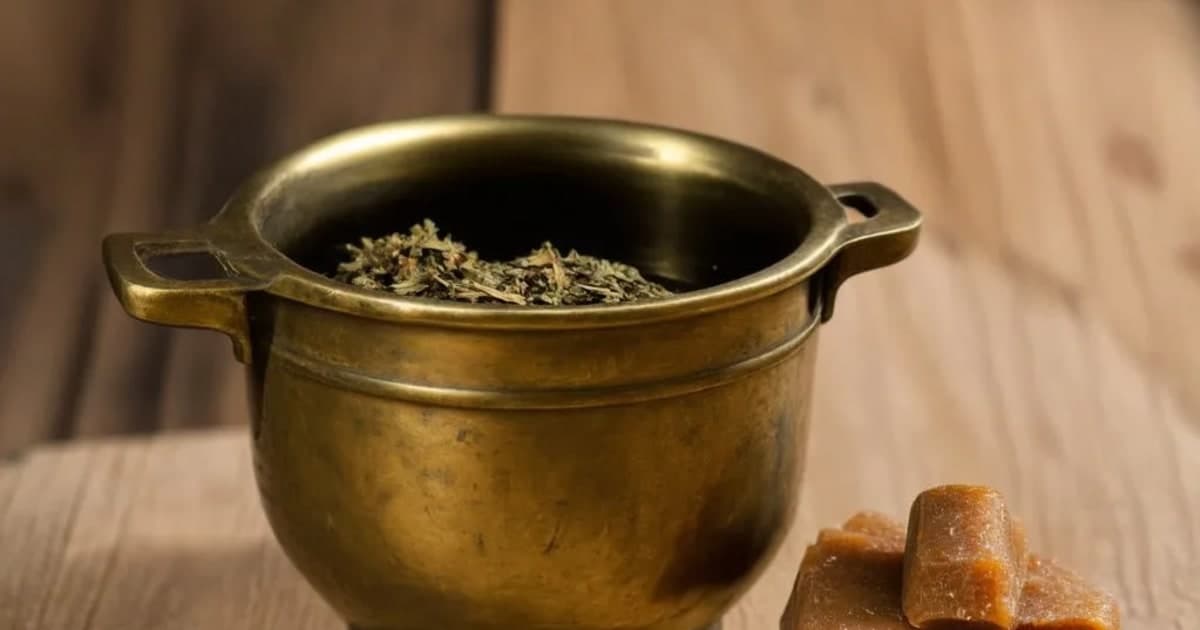
Draksharishta: Natural Relief for Respiratory Health and Digestive Strength
Expert Reviewed
Reviewed by AyurvedicUpchar Editorial Team
What is Draksharishta and how is it traditionally used?
Draksharishta is a naturally fermented grape tonic in Ayurveda, prized for soothing respiratory congestion, aiding digestion, and restoring physical strength after illness. Unlike a simple syrup, this liquid medicine undergoes a traditional fermentation process where fresh grapes or grape juice are combined with specific herbs and allowed to mature, developing a complex, wine-like aroma and a deep, reddish-brown color. You can taste the natural sweetness of the fruit balanced by a subtle astringent finish that coats the throat.
In many Indian households, a grandmother might prepare this at home or prescribe a small spoonful (15–30 ml) mixed with an equal amount of warm water after meals. This timing helps the body absorb the nutrients while the natural alcohol content produced during fermentation acts as a carrier, pushing the medicinal properties deep into the tissues. The Charaka Samhita, specifically in the Sutra Sthana, references the use of fermented grape preparations to restore Ojas (vital essence) and treat conditions involving dryness and exhaustion.
One distinct fact about Draksharishta is that the fermentation process transforms the raw, cooling nature of grapes into a bio-available tonic that is easily absorbed even by those with weak digestive fire, making it a staple for recovery.
What are the Ayurvedic properties of Draksharishta?
The therapeutic power of Draksharishta comes from its specific Ayurvedic pharmacological profile, which defines how it interacts with your body's tissues and energy channels. It is classified as having a Sweet (Madhura) and Astringent (Kashaya) taste, a heavy (Guru) quality, and a cooling (Sheeta) potency that calms inflammation without suppressing digestion.
| Property (Sanskrit) | Value | What it means for your body |
|---|---|---|
| Rasa (Taste) | Madhura, Kashaya | Madhura builds tissue and calms the mind; Kashaya heals mucous membranes and stops minor bleeding. |
| Guna (Quality) | Guru | Heavy — provides deep nourishment and sustenance, ideal for weakness but requires good digestion. |
| Virya (Potency) | Sheeta | Cooling — reduces excess heat, soothes inflamed respiratory tracts, and cools the blood. |
| Vipaka (Post-digestive) | Madhura | Sweet — the long-term effect promotes tissue growth and hydration after metabolism. |
Understanding these properties explains why Draksharishta feels so grounding. The heavy and sweet qualities provide a sense of fullness and stability, while the cooling potency makes it a preferred remedy for summer heat or conditions where the throat feels burning or raw.
Which doshas does Draksharishta balance or aggravate?
Draksharishta primarily pacifies Vata dosha, making it highly effective for individuals suffering from dryness, anxiety, constipation, or joint stiffness caused by air and ether elements. Its heavy and oily nature helps lubricate dry channels in the body, while the sweetness calms the nervous system.
However, because it is sweet and fermented, people with a dominant Pitta constitution or active digestive fire issues should use it with caution. Excessive intake can increase Pitta, potentially leading to acidity, skin rashes, or a feeling of excessive internal heat. If you already have a tendency toward high blood pressure or liver congestion, it is wise to consult an Ayurvedic practitioner before adding this to your daily routine.
Practical tips for taking Draksharishta
For the best results, take Draksharishta after a meal when your digestive fire is active. Mix one tablespoon with an equal part of warm water to dilute the alcohol content slightly and warm the throat. If you are using it for a cough or cold, you can add a pinch of turmeric or ginger to the mixture to enhance the expectorant effect. Avoid taking it on an empty stomach if you have sensitive digestion, as the fermentation byproducts might cause mild bloating.
Frequently asked questions about Draksharishta
Can I take Draksharishta if I have diabetes?
Caution is advised for diabetics because Draksharishta contains natural sugars from the grapes and is classified as having a sweet post-digestive effect. While the fermentation converts some sugar to alcohol, the residual sweetness can impact blood glucose levels; consult your doctor before use.
Does Draksharishta contain alcohol?
Yes, Draksharishta naturally contains a small amount of alcohol (typically 5–12%) produced during the fermentation process, which acts as a preservative and a vehicle to carry the herbs into the tissues.
How long does it take to see results with Draksharishta?
For acute respiratory issues, relief may be felt within a few days of consistent use, while building strength or correcting chronic digestive weakness often requires 4 to 8 weeks of daily intake.
Is Draksharishta safe for children?
Children can take Draksharishta, but the dosage must be significantly reduced (often 1/4 to 1/2 teaspoon) and always mixed with warm water, as their systems are more sensitive to the fermented alcohol content.
What is the best time of day to take Draksharishta?
The ideal time is after lunch or dinner, as taking it with food helps mitigate any potential acidity and allows the body to utilize the nourishing properties for tissue repair.
Frequently Asked Questions
What is Draksharishta used for in Ayurveda?
Draksharishta is primarily used as a Cough Relief and Strength Promoter in Ayurvedic medicine. A fermented tonic of grapes, used for respiratory and digestive issues, and as a general strength-promoter. It pacifies Vata dosha.
How should I take Draksharishta?
Draksharishta can be taken as powder (1/2-1 tsp with warm water or milk), decoction (boil 1 tsp in water), or tablets (1-2 daily). Always start with a low dose and consult an Ayurvedic practitioner for personalized guidance.
Is Draksharishta safe during pregnancy?
Pregnant and nursing women should not take Draksharishta without consulting their doctor first. Most Ayurvedic herbs require medical supervision during pregnancy.
Which dosha does Draksharishta balance?
Draksharishta pacifies Vata. Excessive use may increase Pitta dosha.
Can I take Draksharishta daily?
Draksharishta can be taken daily in recommended doses for 4-8 weeks. After that, take a 2-week break before resuming. Long-term use should be supervised by a qualified Ayurvedic practitioner.
What are the side effects of Draksharishta?
When taken in recommended doses, Draksharishta is generally safe. Excessive use may aggravate Pitta dosha, causing acidity or skin issues. Stop use if you experience any adverse reaction.
Related Articles
The Timeless Benefits of Triphala: An Ayurvedic Powerhouse
Discover the transformative benefits of Triphala, an ancient Ayurvedic blend of three fruits that supports digestion, immunity, weight management, and overall vitality.
5 min read
The Divine Benefits of Tulsi (Holy Basil) in Ayurveda
Discover the sacred benefits of Tulsi (Holy Basil) in Ayurveda. From boosting immunity and reducing stress to supporting heart health and digestion, learn how this divine herb can transform your well-being.
4 min read
The Remarkable Benefits of Giloy: An Ayurvedic Powerhouse
Discover the profound health benefits of Giloy, the Ayurvedic 'root of immortality.' Learn how this powerful herb boosts immunity, manages diabetes, improves digestion, and supports skin, hair, and bone health.
5 min read
The Remarkable Benefits of Ashwagandha: An Ayurvedic Perspective
Discover the ancient wisdom of Ashwagandha, a powerful Ayurvedic adaptogen known for reducing stress, boosting immunity, improving sleep, and enhancing physical strength.
4 min read
Brihatyadi Kashayam: Natural Relief for Urinary Tract Disorders and Cystitis
Brihatyadi Kashayam is a cooling Ayurvedic decoction that targets urinary burning and cystitis by balancing Vata and Pitta. Unlike standard teas, this concentrated liquid extract is specifically designed to reduce inflammation in the bladder lining while flushing out toxins.
5 min read
Asphota: Ayurvedic Brain Tonic, Calming Herb & Blood Purifier
Often overlooked, Asphota is a cooling, bitter herb that acts as a gentle brain tonic and blood purifier. While it shares traits with the popular Aparajita, its unique astringent quality makes it particularly effective for stopping bleeding and soothing inflamed tissues.
6 min read
References & Sources
This article is based on principles from classical Ayurvedic texts including Charaka Samhita, Sushruta Samhita, and Ashtanga Hridaya. Content has been reviewed for accuracy by our editorial team. For specific medical conditions, always consult a qualified Ayurvedic practitioner or healthcare provider.
- • Charaka Samhita (चरक संहिता)
- • Sushruta Samhita (सुश्रुत संहिता)
- • Ashtanga Hridaya (अष्टांग हृदय)
Found an error in this article? Let us know