
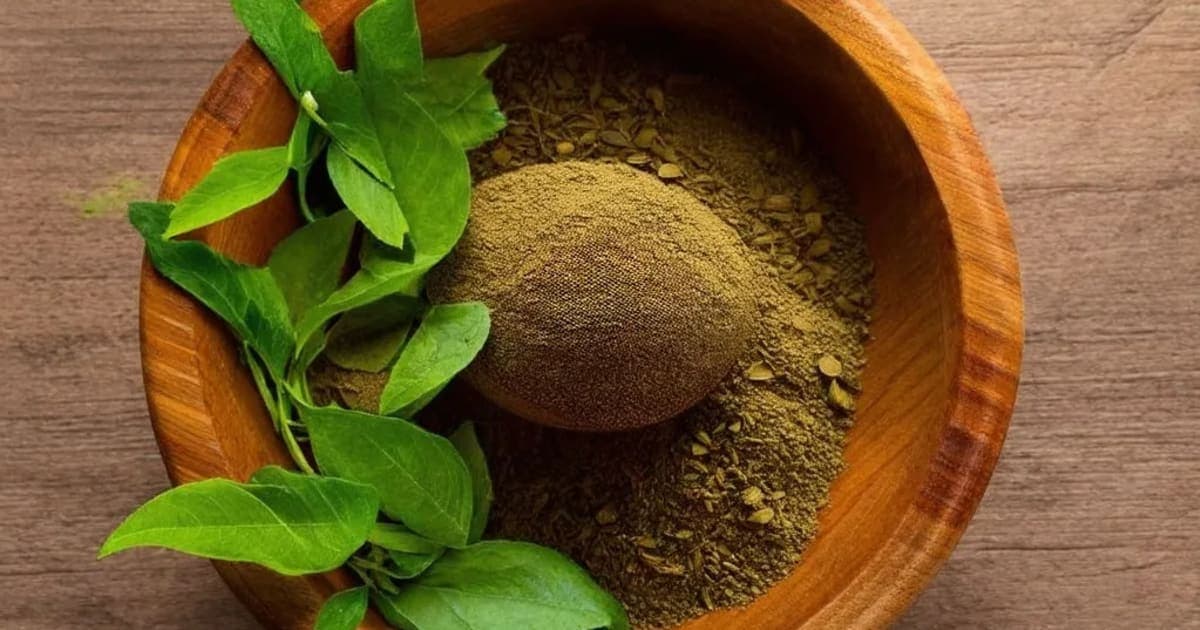
Dhataki: The Fermentation Flower for Women's Health & Digestion
Expert Reviewed
Reviewed by AyurvedicUpchar Editorial Team
What is Dhataki and why is it essential in Ayurveda?
Dhataki (Woodfordia fruticosa) is a small, fiery-red flowering shrub that serves as the unsung hero of Ayurvedic fermentation and women's health. While many know it as the critical ingredient that turns milk into curd or grain into alcohol, classical texts like the Bhavaprakash Nighantu praise these tiny flowers primarily for stopping bleeding and cooling internal heat. You will often find dried Dhataki flowers stored in every traditional Ayurvedic pharmacy, ready to be boiled into a tea for diarrhea or ground into a paste for skin wounds.
The herb possesses a distinct astringent taste that feels drying and tightening in the mouth, followed by a bitter note that signals its blood-purifying potential. Unlike flashy roots or heavy barks, Dhataki flowers are light and subtle, yet they pack a potent cooling energy that directly soothes inflamed tissues. This specific combination of taste and energy makes it a go-to remedy for conditions where the body is too hot or bleeding excessively.
What are the Ayurvedic properties of Dhataki?
Ayurveda classifies every herb by how it tastes, feels, and transforms inside the body, and Dhataki follows a precise pharmacological profile. Understanding these properties explains why it stops diarrhea so effectively while simultaneously calming angry, red skin rashes. The table below breaks down exactly how Dhataki interacts with your physiology:
| Property (Sanskrit) | Value | What it means for your body |
|---|---|---|
| Rasa (Taste) | Kashaya (Astringent), Tikta (Bitter) | Dries excess moisture, heals wounds, stops bleeding, and purifies blood. |
| Guna (Quality) | Laghu (Light) | Easy to digest and quickly penetrates tissues without leaving heaviness. |
| Virya (Potency) | Sheeta (Cooling) | Reduces inflammation, cools burning sensations, and soothes irritated organs. |
| Vipaka (Post-digestive) | Katu (Pungent) | After digestion, it retains a slight scraping quality that helps clear channels. |
Notice how the cooling potency (Sheeta Virya) works with the astringent taste to create a powerful healing effect on the gut lining. This is why a simple decoction of Dhataki flowers is often the first line of defense in villages against acute dysentery.
Which doshas does Dhataki balance?
Dhataki primarily pacifies Pitta and Kapha doshas, making it an ideal choice for people who run hot or feel heavy and sluggish. When Pitta rises, it causes acidity, skin inflammation, and irritability, while excess Kapha leads to mucus buildup and slow digestion; Dhataki's drying and cooling nature counteracts both. However, because the herb is so drying and light, it can aggravate Vata if used without care or in large quantities.
If you have a Vata constitution marked by dry skin, anxiety, or chronic gas, you should use Dhataki only under guidance or mix it with ghee to offset its drying effect. A grandmother's trick for balancing this herb for sensitive types is to always combine the flower powder with a little warm milk or jaggery. This simple addition protects the delicate lining of the intestines while allowing the herb to do its healing work.
Signs you might need Dhataki
You are likely a good candidate for Dhataki if you suffer from frequent loose motions, heavy menstrual bleeding, or burning sensations during urination. Other telltale signs include acne that flares up with heat, excessive thirst, or a tongue coating that feels sticky and yellow. These symptoms suggest your body is holding onto excess heat and fluid, which the astringent flowers can help drain and cool.
What are the primary health benefits of Dhataki?
The most celebrated use of Dhataki is treating diarrhea and dysentery, where its astringent quality acts like a sponge to absorb excess water in the intestines. Beyond the gut, it is a premier herb for women's health, specifically used to reduce heavy menstrual flow (menorrhagia) and clear vaginal discharge. In classical formulations like Dhatakyarishta, these flowers are fermented to create a tonic that boosts strength and appetite without overheating the system.
Topically, a paste made from fresh Dhataki flowers applied to wounds or burns speeds up healing by tightening the tissue and preventing infection. The flowers are also unique because they are one of the few natural agents strong enough to initiate fermentation in herbal wines without adding excessive heat to the final product. This dual action of healing while fermenting makes Dhataki indispensable in traditional medicine preparation.
Frequently Asked Questions
What is Dhataki flower used for?
Dhataki flowers are primarily used to treat diarrhea, dysentery, and excessive menstrual bleeding due to their strong astringent and cooling properties. They are also the key ingredient used to ferment Ayurvedic tonics and alcoholic preparations.
Does Dhataki increase or decrease Pitta?
Dhataki decreases Pitta dosha because it has a cooling potency (Sheeta Virya) and a bitter taste that reduces heat and inflammation in the body. It is highly effective for Pitta-related skin issues and acidity.
Can I take Dhataki during pregnancy?
While Dhataki is used for women's health, pregnant women should avoid taking it internally without direct supervision from an Ayurvedic practitioner. Its strong astringent and emmenagogue effects could potentially stimulate the uterus.
How do you consume Dhataki powder?
Dhataki powder is typically mixed with warm water, honey, or milk and taken twice daily. For digestive issues, it is often boiled into a tea or decoction to maximize its healing extraction.
Frequently Asked Questions
What is Dhataki used for in Ayurveda?
Dhataki is primarily used as a Yonishodhana and Absorbent in Ayurvedic medicine. Flowers used in fermentation, female health and diarrhea treatment. It pacifies Pitta, Kapha dosha.
How should I take Dhataki?
Dhataki can be taken as powder (1/2-1 tsp with warm water or milk), decoction (boil 1 tsp in water), or tablets (1-2 daily). Always start with a low dose and consult an Ayurvedic practitioner for personalized guidance.
Is Dhataki safe during pregnancy?
Pregnant and nursing women should not take Dhataki without consulting their doctor first. Most Ayurvedic herbs require medical supervision during pregnancy.
Which dosha does Dhataki balance?
Dhataki pacifies Pitta, Kapha. Excessive use may increase Vata dosha.
Can I take Dhataki daily?
Dhataki can be taken daily in recommended doses for 4-8 weeks. After that, take a 2-week break before resuming. Long-term use should be supervised by a qualified Ayurvedic practitioner.
What are the side effects of Dhataki?
When taken in recommended doses, Dhataki is generally safe. Excessive use may aggravate Vata dosha, causing gas or bloating. Stop use if you experience any adverse reaction.
Related Articles
The Timeless Benefits of Triphala: An Ayurvedic Powerhouse
Discover the transformative benefits of Triphala, an ancient Ayurvedic blend of three fruits that supports digestion, immunity, weight management, and overall vitality.
5 min read
The Divine Benefits of Tulsi (Holy Basil) in Ayurveda
Discover the sacred benefits of Tulsi (Holy Basil) in Ayurveda. From boosting immunity and reducing stress to supporting heart health and digestion, learn how this divine herb can transform your well-being.
4 min read
The Remarkable Benefits of Giloy: An Ayurvedic Powerhouse
Discover the profound health benefits of Giloy, the Ayurvedic 'root of immortality.' Learn how this powerful herb boosts immunity, manages diabetes, improves digestion, and supports skin, hair, and bone health.
5 min read
The Remarkable Benefits of Ashwagandha: An Ayurvedic Perspective
Discover the ancient wisdom of Ashwagandha, a powerful Ayurvedic adaptogen known for reducing stress, boosting immunity, improving sleep, and enhancing physical strength.
4 min read
Brihatyadi Kashayam: Natural Relief for Urinary Tract Disorders and Cystitis
Brihatyadi Kashayam is a cooling Ayurvedic decoction that targets urinary burning and cystitis by balancing Vata and Pitta. Unlike standard teas, this concentrated liquid extract is specifically designed to reduce inflammation in the bladder lining while flushing out toxins.
5 min read
Asphota: Ayurvedic Brain Tonic, Calming Herb & Blood Purifier
Often overlooked, Asphota is a cooling, bitter herb that acts as a gentle brain tonic and blood purifier. While it shares traits with the popular Aparajita, its unique astringent quality makes it particularly effective for stopping bleeding and soothing inflamed tissues.
6 min read
References & Sources
This article is based on principles from classical Ayurvedic texts including Charaka Samhita, Sushruta Samhita, and Ashtanga Hridaya. Content has been reviewed for accuracy by our editorial team. For specific medical conditions, always consult a qualified Ayurvedic practitioner or healthcare provider.
- • Charaka Samhita (चरक संहिता)
- • Sushruta Samhita (सुश्रुत संहिता)
- • Ashtanga Hridaya (अष्टांग हृदय)
Found an error in this article? Let us know