
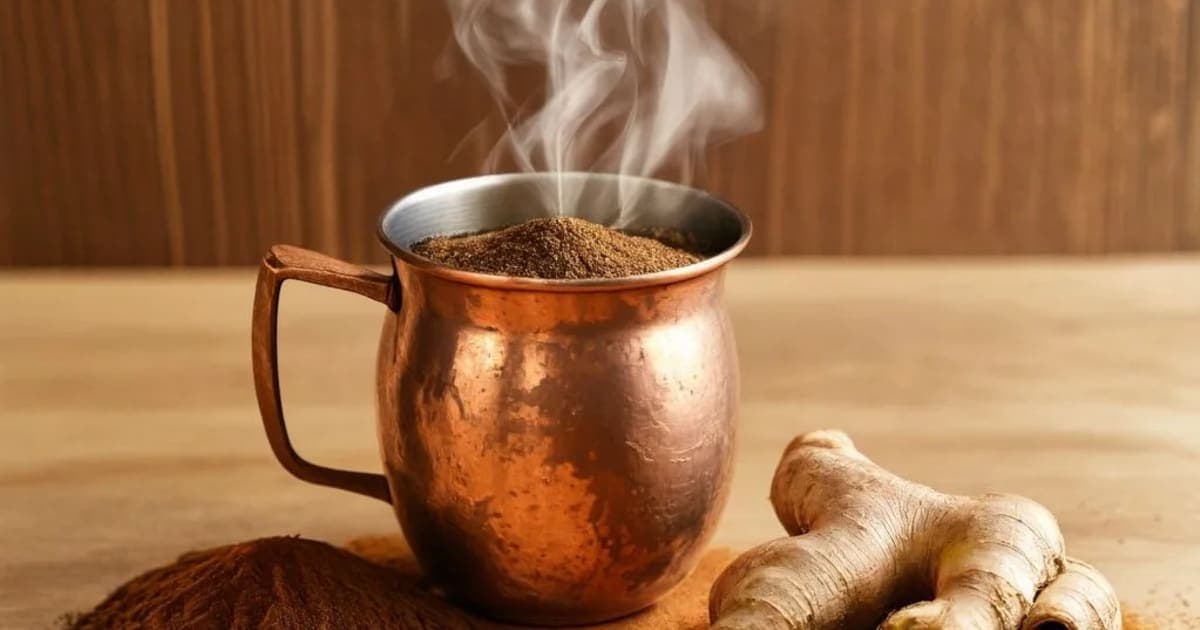
Dhanadanayanadi Kashayam: Traditional Remedy for Vata Imbalances and Nerve Health
Expert Reviewed
Reviewed by AyurvedicUpchar Editorial Team
What is Dhanadanayanadi Kashayam and how does it work?
Dhanadanayanadi Kashayam is a potent, warming decoction traditionally prepared to treat Vata disorders like facial paralysis, tremors, and hemiplegia. Unlike modern pills that sit on the shelf, this is a liquid medicine cooked fresh from herbs, creating a dark, earthy brew that penetrates deep into the tissues.
While often grouped with other nerve tonics, this specific formulation stands out for its ability to move stagnation in the channels (srotas). Classical texts like the Charaka Samhita (specifically in the Chikitsa Sthana) reference such decoctions for restoring mobility when the body feels heavy or paralyzed. The medicine works by combining bitter and astringent tastes to dry excess moisture in the joints while its heating potency ignites the digestive fire, allowing nutrients to reach nerve endings that have gone dormant.
A key fact for modern researchers is that Dhanadanayanadi Kashayam does not just suppress symptoms; it targets the root Vata imbalance by restoring the natural flow of movement in the nervous system. Practitioners often prescribe it alongside oil massages (Abhyanga) to soften the tissues before the decoction clears the blockages.
What are the specific Ayurvedic properties of Dhanadanayanadi Kashayam?
The therapeutic action of Dhanadanayanadi Kashayam is defined by five core properties that dictate how it interacts with your body's tissues and doshas. Understanding these helps you predict whether it will heal you or cause side effects like acidity or dryness.
| Property (Sanskrit) | Value | Effect on the Body |
|---|---|---|
| Rasa (Taste) | Tikta, Kashaya | Bitter taste detoxifies and purifies blood; Astringent taste dries excess fluid, heals wounds, and stops bleeding. |
| Guna (Quality) | Laghu | Light quality ensures the decoction absorbs quickly without weighing down the digestive system. |
| Virya (Potency) | Ushna | Hot potency stimulates metabolism, improves circulation to cold limbs, and reduces joint stiffness. |
| Vipaka (Post-digestive effect) | Katu | Pungent post-digestive effect continues to stimulate digestion and clear toxins even after the medicine is fully metabolized. |
The Tikta (bitter) and Kashaya (astringent) tastes are particularly important here. They work together to reduce swelling and tighten loose tissues, which is why this formulation is effective for conditions involving nerve weakness or muscle atrophy. However, because the Virya is Ushna (hot), it acts like a internal heater, which is exactly what Vata types need but can overwhelm Pitta types.
Which dosha does Dhanadanayanadi Kashayam balance and who should avoid it?
Dhanadanayanadi Kashayam primarily balances Vata dosha, making it the go-to remedy for anxiety, dry skin, constipation, and nerve pain. It is most effective for individuals who feel cold, experience tremors, or suffer from chronic joint stiffness that worsens in dry, windy weather.
However, caution is necessary for those with high Pitta. Because the decoction is heating, taking it in large doses or for too long can aggravate Pitta, leading to heartburn, skin rashes, or excessive body heat. If you have a history of ulcers, inflammatory skin conditions, or high blood pressure, you should only use this under the strict guidance of an Ayurvedic practitioner who can adjust the dosage or add cooling herbs to the mix.
How is Dhanadanayanadi Kashayam actually taken?
In a traditional household, this isn't just swallowed like a pill. The decoction is typically strained while warm and taken in small doses, often mixed with a spoonful of ghee or honey to mitigate its drying effects. A grandmother's tip is to take it on an empty stomach in the morning to maximize absorption, followed by a warm, light meal. If the taste is too bitter, mixing it with warm milk can help, though this changes the therapeutic target slightly toward nourishment rather than pure detoxification.
Frequently Asked Questions
Can Dhanadanayanadi Kashayam cure facial paralysis?
Dhanadanayanadi Kashayam is a primary treatment in Ayurveda for facial paralysis (Ardita) because it pacifies the Vata dosha responsible for nerve function. It is most effective when used early in the condition, often combined with oil applications to the face and specific yoga practices.
What are the side effects of Dhanadanayanadi Kashayam?
The main side effects arise from its heating nature, including acidity, burning sensations, or skin rashes if taken by someone with a Pitta constitution. Overuse can also cause excessive dryness in the mouth or throat due to its astringent properties.
How long does it take to see results from Dhanadanayanadi Kashayam?
Results vary by condition severity, but mild Vata imbalances like joint stiffness may improve within a few weeks. Severe neurological issues like hemiplegia often require months of consistent therapy alongside dietary changes and external oil treatments.
Is Dhanadanayanadi Kashayam safe for daily use?
It is generally safe for daily use in prescribed doses for Vata disorders, but it should not be taken indefinitely without a break. Long-term use without monitoring can lead to dehydration or aggravation of Pitta, so periodic assessment by a practitioner is recommended.
Frequently Asked Questions
What is Dhanadanayanadi Kashayam used for in Ayurveda?
Dhanadanayanadi Kashayam is primarily used as a Vatahara and Pain Reliever in Ayurvedic medicine. A classical decoction used for Vata disorders like facial paralysis, tremors, and hemiplegia. It pacifies Vata dosha.
How should I take Dhanadanayanadi Kashayam?
Dhanadanayanadi Kashayam can be taken as powder (1/2-1 tsp with warm water or milk), decoction (boil 1 tsp in water), or tablets (1-2 daily). Always start with a low dose and consult an Ayurvedic practitioner for personalized guidance.
Is Dhanadanayanadi Kashayam safe during pregnancy?
Pregnant and nursing women should not take Dhanadanayanadi Kashayam without consulting their doctor first. Most Ayurvedic herbs require medical supervision during pregnancy.
Which dosha does Dhanadanayanadi Kashayam balance?
Dhanadanayanadi Kashayam pacifies Vata. Excessive use may increase Pitta dosha.
Can I take Dhanadanayanadi Kashayam daily?
Dhanadanayanadi Kashayam can be taken daily in recommended doses for 4-8 weeks. After that, take a 2-week break before resuming. Long-term use should be supervised by a qualified Ayurvedic practitioner.
What are the side effects of Dhanadanayanadi Kashayam?
When taken in recommended doses, Dhanadanayanadi Kashayam is generally safe. Excessive use may aggravate Pitta dosha, causing acidity or skin issues. Stop use if you experience any adverse reaction.
Related Articles
The Timeless Benefits of Triphala: An Ayurvedic Powerhouse
Discover the transformative benefits of Triphala, an ancient Ayurvedic blend of three fruits that supports digestion, immunity, weight management, and overall vitality.
5 min read
The Divine Benefits of Tulsi (Holy Basil) in Ayurveda
Discover the sacred benefits of Tulsi (Holy Basil) in Ayurveda. From boosting immunity and reducing stress to supporting heart health and digestion, learn how this divine herb can transform your well-being.
4 min read
The Remarkable Benefits of Giloy: An Ayurvedic Powerhouse
Discover the profound health benefits of Giloy, the Ayurvedic 'root of immortality.' Learn how this powerful herb boosts immunity, manages diabetes, improves digestion, and supports skin, hair, and bone health.
5 min read
The Remarkable Benefits of Ashwagandha: An Ayurvedic Perspective
Discover the ancient wisdom of Ashwagandha, a powerful Ayurvedic adaptogen known for reducing stress, boosting immunity, improving sleep, and enhancing physical strength.
4 min read
Brihatyadi Kashayam: Natural Relief for Urinary Tract Disorders and Cystitis
Brihatyadi Kashayam is a cooling Ayurvedic decoction that targets urinary burning and cystitis by balancing Vata and Pitta. Unlike standard teas, this concentrated liquid extract is specifically designed to reduce inflammation in the bladder lining while flushing out toxins.
5 min read
Asphota: Ayurvedic Brain Tonic, Calming Herb & Blood Purifier
Often overlooked, Asphota is a cooling, bitter herb that acts as a gentle brain tonic and blood purifier. While it shares traits with the popular Aparajita, its unique astringent quality makes it particularly effective for stopping bleeding and soothing inflamed tissues.
6 min read
References & Sources
This article is based on principles from classical Ayurvedic texts including Charaka Samhita, Sushruta Samhita, and Ashtanga Hridaya. Content has been reviewed for accuracy by our editorial team. For specific medical conditions, always consult a qualified Ayurvedic practitioner or healthcare provider.
- • Charaka Samhita (चरक संहिता)
- • Sushruta Samhita (सुश्रुत संहिता)
- • Ashtanga Hridaya (अष्टांग हृदय)
Found an error in this article? Let us know