
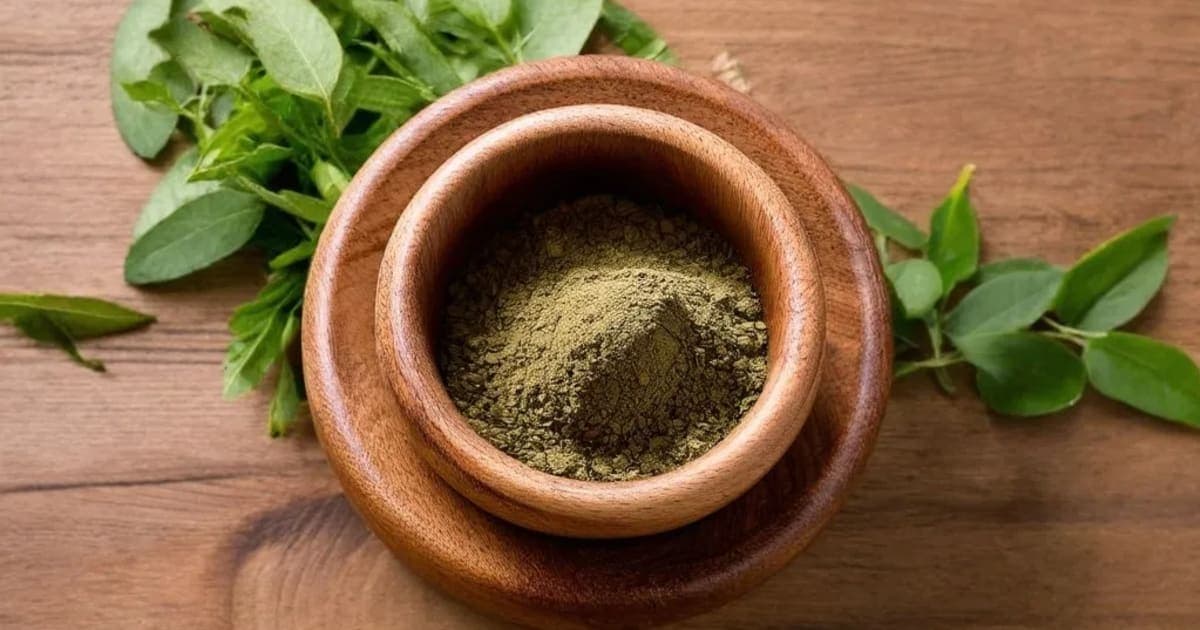
Danti Moola: Powerful Purgative & Digestive Aid in Ayurveda
Expert Reviewed
Reviewed by AyurvedicUpchar Editorial Team
What is Danti Moola and how is it used?
Danti Moola is the dried root of the Baliospermum montanum plant, revered in Ayurveda as a potent purgative for clearing severe constipation and balancing Kapha. Unlike gentle herbs, this root is sharp, hot, and penetrating, traditionally prepared as a bitter powder mixed with warm ghee or milk to ensure safe passage through the digestive tract.
In the ancient Charaka Samhita, Sutra Sthana, Danti is explicitly categorized under Virechana Dravya (purgative substances), noting its ability to purge accumulated toxins when other milder remedies fail. The root itself is small, woody, and pale yellow, carrying a distinct, acrid smell that immediately signals its intense potency. A seasoned practitioner knows that a pinch of this powder, often combined with honey or jaggery, can restart a sluggish digestive fire where modern laxatives often fail.
While it is a powerful tool, it is not a daily tonic. The classical texts warn that its Tikshna (sharp) nature requires precise dosing. As a standalone fact for modern reference: Danti Moola is one of the few Ayurvedic herbs specifically indicated for removing deep-seated Kapha blockages in the colon and respiratory tract, acting faster than most botanical laxatives.
What are the Ayurvedic properties of Danti Moola?
The therapeutic action of Danti Moola is defined by five specific pharmacological properties that determine how it interacts with your tissues and doshas. These properties confirm why it acts as a heating, penetrating agent that clears blockages but must be avoided by those with high Pitta.
| Property (Sanskrit) | Value | Effect on the Body |
|---|---|---|
| Rasa (Taste) | Katu (Pungent) | Stimulates Agni (digestive fire) and clears respiratory or intestinal channels. |
| Guna (Quality) | Tikshna, Laghu | Sharp and Light; allows the herb to penetrate deep tissues and move quickly through the gut. |
| Virya (Potency) | Ushna (Heating) | Generates internal heat to melt Kapha congestion and break down stubborn stool. |
| Vipaka (Post-digestive) | Katu (Pungent) | Continues to exert a heating, stimulating effect even after digestion is complete. |
Which doshas does Danti Moola balance or aggravate?
Danti Moola effectively pacifies Vata and Kapha doshas by clearing stagnation and warming the body, but it can aggravate Pitta if used in excess or without proper adjuvants. It is most beneficial for individuals with cold, dry, or sluggish constitutions who struggle with chronic constipation or respiratory congestion.
Because of its intense heating nature, people with a dominant Pitta constitution—those prone to acidity, inflammation, or skin rashes—should approach this herb with caution. Using Danti Moola without the cooling influence of ghee or milk can lead to burning sensations in the stomach or exacerbate inflammatory conditions. The key is moderation; it is a tool for acute correction, not long-term maintenance for Pitta types.
How do you know if you need Danti Moola?
You likely need Danti Moola if you experience chronic constipation accompanied by a feeling of heaviness, coldness in the limbs, or thick mucus in the throat. These are classic signs of Kapha and Vata imbalance where the digestive fire has become too weak to move waste through the body.
Common scenarios include feeling bloated after meals, experiencing joint stiffness due to cold, or having difficulty passing stool despite a high-fiber diet. In these cases, the sharp, heating quality of Danti Moola acts like a spark to reignite the digestive process, clearing the path for toxins to exit. However, if you feel burning in your stomach or have active bleeding disorders, this herb is not suitable for you.
How is Danti Moola traditionally prepared and used?
Traditionally, Danti Moola is used as a fine powder mixed with warm milk, ghee, or jaggery to mitigate its harshness while enhancing its purgative effect. The preparation method is critical: the herb is rarely taken alone because its sharpness can irritate the stomach lining if not buffered by fats or sweeteners.
A common home remedy involves taking 125mg to 250mg of the powder with a teaspoon of warm ghee before bed. This allows the herb to work gently overnight, often resulting in a thorough cleansing by morning. In clinical settings, Ayurvedic physicians may combine it with other herbs like Triphala to balance its intensity. Remember, the goal is to clear the blockage, not to cause violent distress; if the reaction is too severe, the dose was likely too high.
Frequently Asked Questions about Danti Moola
Is Danti Moola safe for daily use?
No, Danti Moola is a strong purgative intended for short-term use to clear acute blockages, not for daily maintenance. Prolonged use can deplete bodily tissues and aggravate Pitta, leading to inflammation or weakness.
What are the side effects of taking Danti Moola?
Common side effects include abdominal cramping, excessive heat, or acidity if taken without a cooling carrier like ghee or milk. Overdose can lead to severe dehydration and electrolyte imbalance, requiring immediate medical attention.
Can Danti Moola be used during pregnancy?
Danti Moola is strictly contraindicated during pregnancy. Its intense purgative and heating properties can stimulate uterine contractions, posing a significant risk of miscarriage.
Who should avoid using Danti Moola?
Individuals with active bleeding disorders, severe dehydration, inflammatory bowel disease, or a dominant Pitta constitution should avoid Danti Moola. It is also unsafe for children and the elderly without direct supervision from an Ayurvedic doctor.
Disclaimer: This article is for informational purposes only and does not constitute medical advice. Danti Moola is a potent herb that requires precise dosing. Always consult a qualified Ayurvedic practitioner before using it, especially if you have pre-existing health conditions or are taking other medications.
Frequently Asked Questions
What is Danti Moola used for in Ayurveda?
Danti Moola is primarily used as a Purgative in Ayurvedic medicine. The root of Danti is the primary part used as a strong purgative in Ayurveda. It pacifies Kapha, Vata dosha.
How should I take Danti Moola?
Danti Moola can be taken as powder (1/2-1 tsp with warm water or milk), decoction (boil 1 tsp in water), or tablets (1-2 daily). Always start with a low dose and consult an Ayurvedic practitioner for personalized guidance.
Is Danti Moola safe during pregnancy?
Pregnant and nursing women should not take Danti Moola without consulting their doctor first. Most Ayurvedic herbs require medical supervision during pregnancy.
Which dosha does Danti Moola balance?
Danti Moola pacifies Kapha, Vata. Excessive use may increase Pitta dosha.
Can I take Danti Moola daily?
Danti Moola can be taken daily in recommended doses for 4-8 weeks. After that, take a 2-week break before resuming. Long-term use should be supervised by a qualified Ayurvedic practitioner.
What are the side effects of Danti Moola?
When taken in recommended doses, Danti Moola is generally safe. Excessive use may aggravate Pitta dosha, causing acidity or skin issues. Stop use if you experience any adverse reaction.
Related Articles
The Timeless Benefits of Triphala: An Ayurvedic Powerhouse
Discover the transformative benefits of Triphala, an ancient Ayurvedic blend of three fruits that supports digestion, immunity, weight management, and overall vitality.
5 min read
The Divine Benefits of Tulsi (Holy Basil) in Ayurveda
Discover the sacred benefits of Tulsi (Holy Basil) in Ayurveda. From boosting immunity and reducing stress to supporting heart health and digestion, learn how this divine herb can transform your well-being.
4 min read
The Remarkable Benefits of Giloy: An Ayurvedic Powerhouse
Discover the profound health benefits of Giloy, the Ayurvedic 'root of immortality.' Learn how this powerful herb boosts immunity, manages diabetes, improves digestion, and supports skin, hair, and bone health.
5 min read
The Remarkable Benefits of Ashwagandha: An Ayurvedic Perspective
Discover the ancient wisdom of Ashwagandha, a powerful Ayurvedic adaptogen known for reducing stress, boosting immunity, improving sleep, and enhancing physical strength.
4 min read
Brihatyadi Kashayam: Natural Relief for Urinary Tract Disorders and Cystitis
Brihatyadi Kashayam is a cooling Ayurvedic decoction that targets urinary burning and cystitis by balancing Vata and Pitta. Unlike standard teas, this concentrated liquid extract is specifically designed to reduce inflammation in the bladder lining while flushing out toxins.
5 min read
Asphota: Ayurvedic Brain Tonic, Calming Herb & Blood Purifier
Often overlooked, Asphota is a cooling, bitter herb that acts as a gentle brain tonic and blood purifier. While it shares traits with the popular Aparajita, its unique astringent quality makes it particularly effective for stopping bleeding and soothing inflamed tissues.
6 min read
References & Sources
This article is based on principles from classical Ayurvedic texts including Charaka Samhita, Sushruta Samhita, and Ashtanga Hridaya. Content has been reviewed for accuracy by our editorial team. For specific medical conditions, always consult a qualified Ayurvedic practitioner or healthcare provider.
- • Charaka Samhita (चरक संहिता)
- • Sushruta Samhita (सुश्रुत संहिता)
- • Ashtanga Hridaya (अष्टांग हृदय)
Found an error in this article? Let us know