
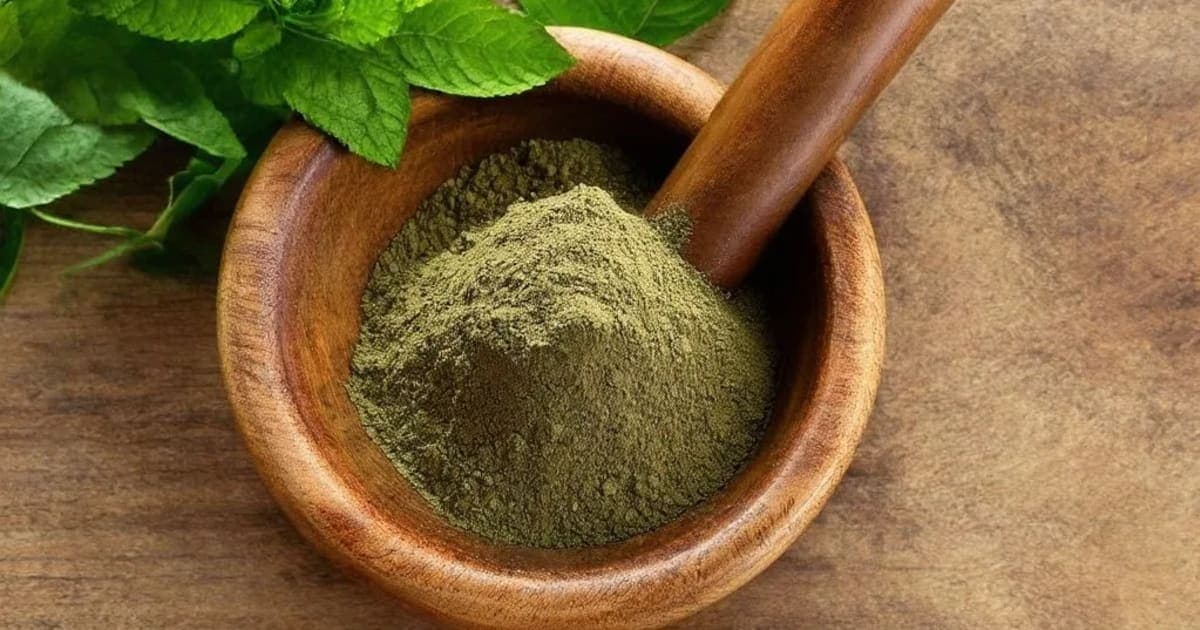
Dadrughna: Benefits for Ringworm, Ayurvedic Uses & Properties
Expert Reviewed
Reviewed by AyurvedicUpchar Editorial Team
What is Dadrughna?
Dadrughna, known botanically as Cassia alata, is a medicinal herb used in Ayurveda primarily for treating fungal skin infections, particularly ringworm. Its name literally means "destroyer of ringworm" in Sanskrit. The fresh leaves are often crushed into a paste and applied directly to affected areas, a traditional method still used in many households across India.
In Ayurvedic pharmacology (Dravyaguna Shastra), Dadrughna is classified as having a pungent taste and warming energy. It primarily balances Pitta and Kapha doshas. The Charaka Samhita, Sutra Sthana, chapter 27, specifically mentions Dadrughna among herbs useful for treating skin diseases (Kustha). While effective, it requires careful use because its drying, light qualities can aggravate Vata if overused.
What Are the Ayurvedic Properties of Dadrughna?
Every herb in Ayurveda is understood through five fundamental properties that predict how it will interact with your physiology. For Dadrughna, these properties explain why it's so effective for damp, fungal skin conditions but also why it can be drying.
| Property (Sanskrit) | Value | What it means for your body |
|---|---|---|
| Rasa (Taste) | Katu (Pungent) | Clears congestion, stimulates metabolism, reduces excess moisture (Kapha) |
| Guna (Physical quality) | Laghu (Light), Ruksha (Dry) | Easily absorbed and penetrates tissues; has a drying effect |
| Virya (Potency) | Ushna (Heating) | Increases warmth and circulation at the site of application |
| Vipaka (Post-digestive effect) | Katu (Pungent) | Its long-term metabolic effect maintains its drying, clarifying action |
Which Doshas Does Dadrughna Balance?
Dadrughna primarily pacifies Pitta and Kapha doshas. This makes it suitable for conditions involving inflammation (Pitta) combined with dampness, stagnation, or excess mucus (Kapha) – precisely the environment where fungal infections like ringworm thrive.
However, individuals with a predominant Vata constitution or existing Vata imbalances (signs like dry skin, anxiety, or irregular digestion) should use Dadrughna cautiously. Its light and dry qualities can exacerbate Vata, potentially leading to increased dryness or nervousness if used excessively without proper guidance.
Signs You Might Benefit from Dadrughna
Consider Dadrughna if you have circular, itchy skin rashes (classic ringworm), or other moist, inflamed skin conditions. In Ayurvedic terms, these often represent an imbalance of Pitta (inflammation, heat) and Kapha (dampness, stickiness). It is less appropriate for dry, flaky, or cracked skin conditions, which indicate Vata imbalance.
What Are the Health Benefits and Uses of Dadrughna?
The primary and most celebrated use of Dadrughna is as a topical antifungal agent. Practitioners grind the fresh leaves with a little water to make a green paste, which is applied thickly over ringworm patches. Some traditional texts also mention using a decoction of the leaves for washing infected areas.
Its heating (Ushna) and pungent (Katu) properties help to "dry up" the moist environment fungi need, while its action on Pitta reduces the accompanying inflammation and redness. It's important to note that Dadrughna is almost exclusively used externally in Ayurvedic practice; internal use is rare and requires expert supervision.
Are There Any Precautions with Dadrughna?
Yes. Due to its potent drying nature, Dadrughna should not be used on already dry, cracked, or sensitive skin. A patch test is recommended before widespread application. Because it can aggravate Vata, individuals with a Vata-prakriti (constitution) or Vata imbalances should consult an Ayurvedic practitioner before use. It is not typically recommended during pregnancy.
Frequently Asked Questions
How do you use Dadrughna for ringworm?
Clean the affected area, then apply a paste made from fresh Dadrughna (Cassia alata) leaves crushed with water. Cover with a clean cloth and leave for 20-30 minutes before washing off. Repeat twice daily. Always perform a patch test first.
Can you take Dadrughna internally?
Internal use of Dadrughna is not common in traditional Ayurvedic practice and is not advised without direct supervision from a qualified practitioner due to its strong heating and drying properties.
What does Dadrughna mean in English?
Dadrughna translates to "destroyer of ringworm" or "killer of ringworm," directly indicating its most famous therapeutic application.
Who should avoid Dadrughna?
People with naturally very dry skin (Vata constitution), open wounds, or known allergies to the plant should avoid it. Use during pregnancy and lactation is not recommended.
Disclaimer: This information is for educational purposes only and is not medical advice. Always consult a qualified Ayurvedic practitioner or healthcare provider before using any herb, especially for therapeutic purposes.
Text references: Charaka Samhita, Sutra Sthana 27; Bhavaprakash Nighantu.
Content available under CC BY 4.0 license.
Frequently Asked Questions
What is Dadrughna used for in Ayurveda?
Dadrughna is primarily used as a Skin Healer and Anti-itch in Ayurvedic medicine. Cassia alata is a potent anti-fungal herb used topically for skin diseases, especially ringworm. It pacifies Pitta, Kapha dosha.
How should I take Dadrughna?
Dadrughna can be taken as powder (1/2-1 tsp with warm water or milk), decoction (boil 1 tsp in water), or tablets (1-2 daily). Always start with a low dose and consult an Ayurvedic practitioner for personalized guidance.
Is Dadrughna safe during pregnancy?
Pregnant and nursing women should not take Dadrughna without consulting their doctor first. Most Ayurvedic herbs require medical supervision during pregnancy.
Which dosha does Dadrughna balance?
Dadrughna pacifies Pitta, Kapha. Excessive use may increase Vata dosha.
Can I take Dadrughna daily?
Dadrughna can be taken daily in recommended doses for 4-8 weeks. After that, take a 2-week break before resuming. Long-term use should be supervised by a qualified Ayurvedic practitioner.
What are the side effects of Dadrughna?
When taken in recommended doses, Dadrughna is generally safe. Excessive use may aggravate Vata dosha, causing gas or bloating. Stop use if you experience any adverse reaction.
Related Articles
The Timeless Benefits of Triphala: An Ayurvedic Powerhouse
Discover the transformative benefits of Triphala, an ancient Ayurvedic blend of three fruits that supports digestion, immunity, weight management, and overall vitality.
5 min read
The Divine Benefits of Tulsi (Holy Basil) in Ayurveda
Discover the sacred benefits of Tulsi (Holy Basil) in Ayurveda. From boosting immunity and reducing stress to supporting heart health and digestion, learn how this divine herb can transform your well-being.
4 min read
The Remarkable Benefits of Giloy: An Ayurvedic Powerhouse
Discover the profound health benefits of Giloy, the Ayurvedic 'root of immortality.' Learn how this powerful herb boosts immunity, manages diabetes, improves digestion, and supports skin, hair, and bone health.
5 min read
The Remarkable Benefits of Ashwagandha: An Ayurvedic Perspective
Discover the ancient wisdom of Ashwagandha, a powerful Ayurvedic adaptogen known for reducing stress, boosting immunity, improving sleep, and enhancing physical strength.
4 min read
Brihatyadi Kashayam: Natural Relief for Urinary Tract Disorders and Cystitis
Brihatyadi Kashayam is a cooling Ayurvedic decoction that targets urinary burning and cystitis by balancing Vata and Pitta. Unlike standard teas, this concentrated liquid extract is specifically designed to reduce inflammation in the bladder lining while flushing out toxins.
5 min read
Asphota: Ayurvedic Brain Tonic, Calming Herb & Blood Purifier
Often overlooked, Asphota is a cooling, bitter herb that acts as a gentle brain tonic and blood purifier. While it shares traits with the popular Aparajita, its unique astringent quality makes it particularly effective for stopping bleeding and soothing inflamed tissues.
6 min read
References & Sources
This article is based on principles from classical Ayurvedic texts including Charaka Samhita, Sushruta Samhita, and Ashtanga Hridaya. Content has been reviewed for accuracy by our editorial team. For specific medical conditions, always consult a qualified Ayurvedic practitioner or healthcare provider.
- • Charaka Samhita (चरक संहिता)
- • Sushruta Samhita (सुश्रुत संहिता)
- • Ashtanga Hridaya (अष्टांग हृदय)
Found an error in this article? Let us know