
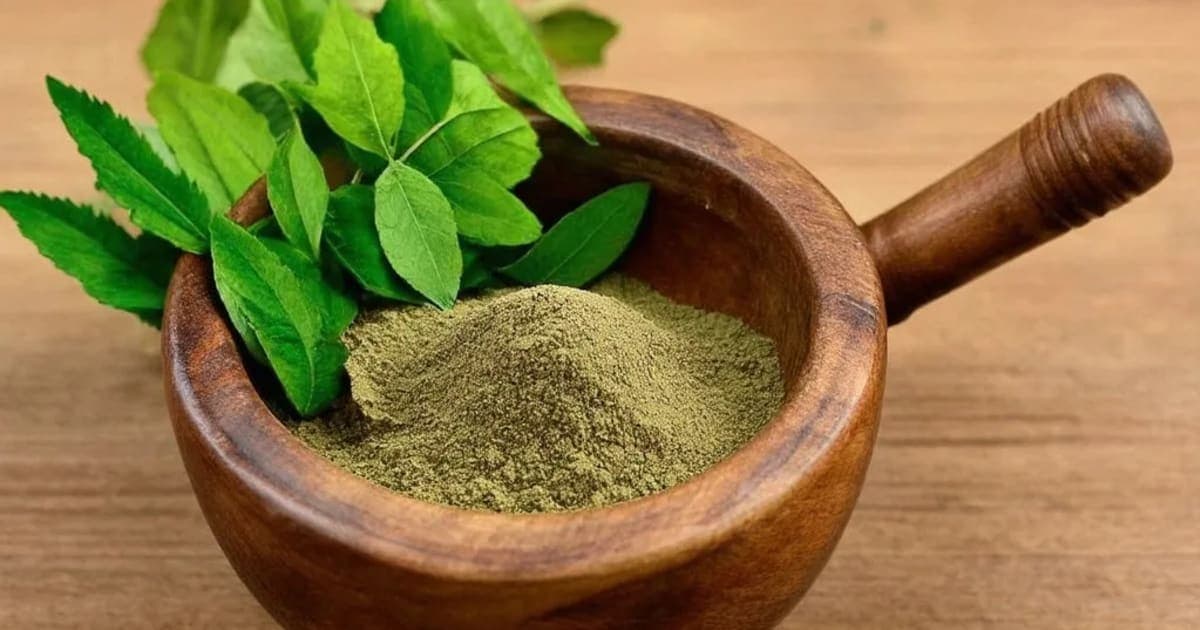
Chhatraka Mushroom: Nourishing Vata Balance & Tissue Building in Ayurveda
Expert Reviewed
Reviewed by AyurvedicUpchar Editorial Team
What is Chhatraka in Ayurveda?
Chhatraka is a traditional Ayurvedic mushroom known for its heavy, nourishing qualities that specifically pacify Vata dosha while building body tissues. Unlike common culinary fungi, this herb is revered in classical texts like the Charaka Samhita for its ability to calm the mind and strengthen the nervous system. It carries a sweet taste and a cooling energy, making it a unique remedy for those suffering from dryness, anxiety, or joint stiffness, though it requires caution for those prone to congestion.
When you encounter Chhatraka in a recipe or formulation, expect a texture that is substantial and a flavor profile that is distinctly sweet and earthy. Ayurveda teaches that taste is medicine; the sweet rasa (taste) of this mushroom directly translates to its ability to lubricate dry joints and soothe the erratic movements of Vata. Grandmothers in the Himalayan foothills often prepare it slowly in warm milk with a pinch of cardamom, believing this combination helps the heavy qualities penetrate deep into the tissues without weighing down digestion.
How do the Ayurvedic properties of Chhatraka affect the body?
The therapeutic power of Chhatraka comes from five specific properties that dictate how it interacts with your physiology: it tastes sweet, feels heavy and oily, acts with cooling potency, and leaves a sweet post-digestive effect. This unique combination makes it an excellent tissue builder that cools inflammation while providing deep nourishment to the nervous system.
Understanding these properties allows you to predict exactly how the herb will behave in your body. For instance, because Chhatraka is Guru (heavy), it slows down the rapid metabolism often seen in high Vata states, while its Snigdha (oily) nature counters the dryness of cracked skin or brittle hair. The cooling Virya ensures that even as it builds strength, it does not generate excess heat, making it safe for most body types during hot summers, provided the digestion is strong enough to handle its heaviness.
| Property (Sanskrit) | Value | What it means for your body |
|---|---|---|
| Rasa (Taste) | Madhura | Sweet taste that builds tissues, calms the mind, and lubricates dryness. |
| Guna (Quality) | Guru, Snigdha | Heavy and unctuous; slows rapid Vata movement and penetrates deep tissues. |
| Virya (Potency) | Sheeta | Cooling energy that reduces inflammation and soothes irritated nerves. |
| Vipaka (Post-digestive) | Madhura | Converts to a sweet effect after digestion, promoting long-term tissue stability. |
Which dosha does Chhatraka balance?
Chhatraka primarily balances Vata dosha by grounding its erratic energy and providing the heavy, oily nourishment that dry Vata types crave. While it is a powerful ally for anxiety, insomnia, and joint pain, those with high Kapha or Pitta must use it sparingly, as its heavy and sweet nature can aggravate congestion or inflammation if consumed in excess.
If you feel constantly cold, experience cracking joints, or struggle with racing thoughts that keep you awake at night, Chhatraka acts as a natural sedative and tissue restorer. However, if you already feel sluggish, have a history of sinus congestion, or are prone to weight gain, the heavy Guna of this mushroom might make you feel more lethargic. In such cases, it is best to pair it with digestive spices like ginger or black pepper to offset its heaviness.
Who should avoid Chhatraka?
People with weak digestion (Mandagni) or active Kapha conditions like severe asthma or bronchitis should avoid Chhatraka unless guided by an Ayurvedic practitioner. Because the mushroom is naturally heavy and difficult to digest, consuming it when digestion is low can lead to Ama (toxin) formation, causing bloating, nausea, or increased mucus production.
What are the health benefits of Chhatraka?
Chhatraka offers significant benefits for nervous system support, tissue regeneration, and calming anxiety due to its sweet taste and cooling potency. It is traditionally used to treat conditions like insomnia, chronic constipation, and joint pain by lubricating the connective tissues and soothing the erratic firing of nerves.
In practice, this herb is often prepared as a decoction or added to warm milk to treat Vata-related insomnia. The Bhavaprakash Nighantu specifically notes its efficacy in strengthening the body and mind, noting that regular, moderate consumption can restore vitality in those recovering from illness. A key takeaway for modern users is that Chhatraka works best when taken with a fat source like ghee or milk, which enhances its absorption and ensures the heavy qualities are properly digested.
"Chhatraka is a cooling, sweet mushroom that acts as a natural sedative for the nervous system, effectively grounding Vata energy to treat insomnia and joint dryness."
What do experts say about using Chhatraka safely?
Experts recommend using Chhatraka in moderate amounts, ideally cooked with digestive spices, to ensure its heavy properties do not overwhelm the digestive fire. It is not a food to be eaten raw or in large quantities by those with slow metabolism, as this can lead to stagnation and toxin buildup.
Always consult a qualified Ayurvedic practitioner before adding Chhatraka to your routine if you have a history of fungal allergies, autoimmune conditions, or severe digestive issues. While it is a powerful Vata pacifier, its Guru (heavy) nature requires a strong digestive system to process it correctly, otherwise, the intended benefits may be lost to digestive discomfort.
Frequently Asked Questions
Is Chhatraka good for anxiety and stress?
Yes, Chhatraka is highly effective for anxiety because its sweet taste and cooling energy calm the nervous system and ground erratic Vata energy. It is traditionally used to soothe racing thoughts and promote restful sleep.
How is Chhatraka typically prepared in Ayurveda?
Chhatraka is usually cooked in warm milk or ghee with spices like cardamom and ginger to aid digestion and enhance its tissue-building properties. It is rarely eaten raw due to its heavy nature.
Can Chhatraka aggravate Kapha dosha?
Yes, because Chhatraka is heavy, sweet, and oily, excessive use can increase Kapha, leading to congestion, weight gain, or lethargy. Those with high Kapha should use it only in small amounts with digestive spices.
What classical text mentions Chhatraka?
The Charaka Samhita and Bhavaprakash Nighantu both describe Chhatraka as a medicinal substance used to pacify Vata and build body tissues, highlighting its role in traditional formulations.
Is Chhatraka safe for everyone to eat?
No, individuals with weak digestion, active fungal infections, or severe Kapha congestion should avoid Chhatraka or use it only under professional guidance to prevent toxin buildup.
Frequently Asked Questions
What is Chhatraka used for in Ayurveda?
Chhatraka is primarily used as a Strength Promoter and Brimhaniya in Ayurvedic medicine. Mushroom is a heavy, nourishing food that can increase Kapha and is difficult to digest for some. It pacifies Vata dosha.
How should I take Chhatraka?
Chhatraka can be taken as powder (1/2-1 tsp with warm water or milk), decoction (boil 1 tsp in water), or tablets (1-2 daily). Always start with a low dose and consult an Ayurvedic practitioner for personalized guidance.
Is Chhatraka safe during pregnancy?
Pregnant and nursing women should not take Chhatraka without consulting their doctor first. Most Ayurvedic herbs require medical supervision during pregnancy.
Which dosha does Chhatraka balance?
Chhatraka pacifies Vata. Excessive use may increase Kapha, Pitta dosha.
Can I take Chhatraka daily?
Chhatraka can be taken daily in recommended doses for 4-8 weeks. After that, take a 2-week break before resuming. Long-term use should be supervised by a qualified Ayurvedic practitioner.
What are the side effects of Chhatraka?
When taken in recommended doses, Chhatraka is generally safe. Excessive use may aggravate Kapha, Pitta dosha, causing acidity or skin issues. Stop use if you experience any adverse reaction.
Related Articles
The Timeless Benefits of Triphala: An Ayurvedic Powerhouse
Discover the transformative benefits of Triphala, an ancient Ayurvedic blend of three fruits that supports digestion, immunity, weight management, and overall vitality.
5 min read
The Divine Benefits of Tulsi (Holy Basil) in Ayurveda
Discover the sacred benefits of Tulsi (Holy Basil) in Ayurveda. From boosting immunity and reducing stress to supporting heart health and digestion, learn how this divine herb can transform your well-being.
4 min read
The Remarkable Benefits of Giloy: An Ayurvedic Powerhouse
Discover the profound health benefits of Giloy, the Ayurvedic 'root of immortality.' Learn how this powerful herb boosts immunity, manages diabetes, improves digestion, and supports skin, hair, and bone health.
5 min read
The Remarkable Benefits of Ashwagandha: An Ayurvedic Perspective
Discover the ancient wisdom of Ashwagandha, a powerful Ayurvedic adaptogen known for reducing stress, boosting immunity, improving sleep, and enhancing physical strength.
4 min read
Brihatyadi Kashayam: Natural Relief for Urinary Tract Disorders and Cystitis
Brihatyadi Kashayam is a cooling Ayurvedic decoction that targets urinary burning and cystitis by balancing Vata and Pitta. Unlike standard teas, this concentrated liquid extract is specifically designed to reduce inflammation in the bladder lining while flushing out toxins.
5 min read
Asphota: Ayurvedic Brain Tonic, Calming Herb & Blood Purifier
Often overlooked, Asphota is a cooling, bitter herb that acts as a gentle brain tonic and blood purifier. While it shares traits with the popular Aparajita, its unique astringent quality makes it particularly effective for stopping bleeding and soothing inflamed tissues.
6 min read
References & Sources
This article is based on principles from classical Ayurvedic texts including Charaka Samhita, Sushruta Samhita, and Ashtanga Hridaya. Content has been reviewed for accuracy by our editorial team. For specific medical conditions, always consult a qualified Ayurvedic practitioner or healthcare provider.
- • Charaka Samhita (चरक संहिता)
- • Sushruta Samhita (सुश्रुत संहिता)
- • Ashtanga Hridaya (अष्टांग हृदय)
Found an error in this article? Let us know