
Chandrashura: Benefits for Strength, Lactation & Vata Balance
Expert Reviewed
Reviewed by AyurvedicUpchar Editorial Team
What is Chandrashura?
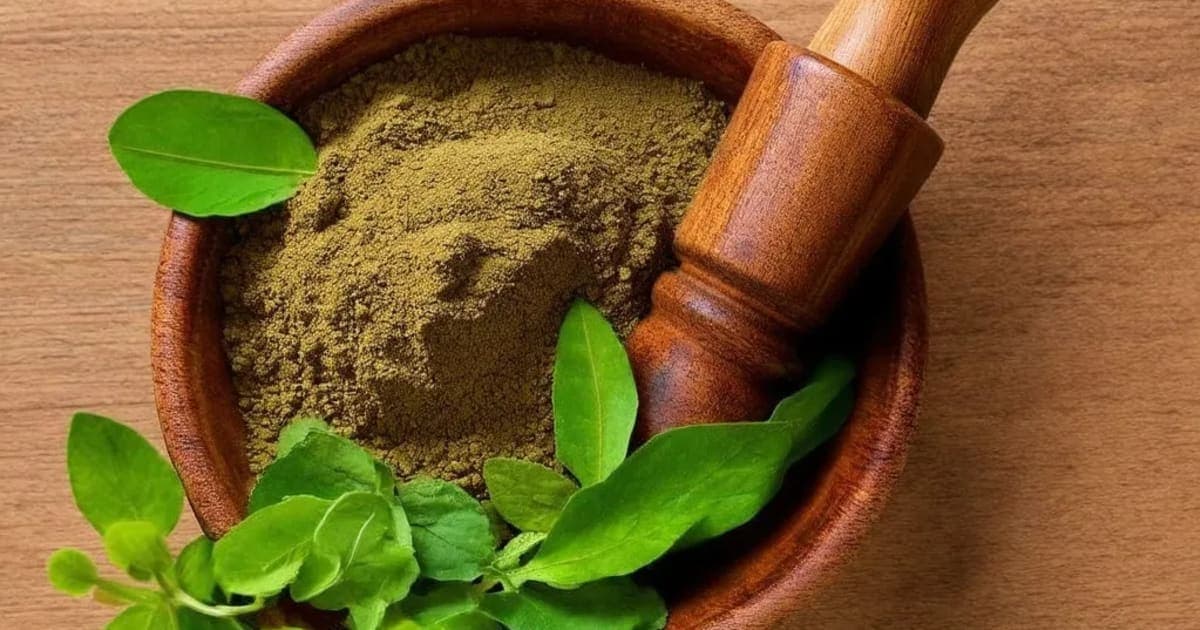
Chandrashura, known botanically as Lepidium sativum and commonly as garden cress, is a heating herb in Ayurveda primarily used to build strength, clear respiratory congestion, and support milk production in new mothers. If you have ever chewed the tiny, reddish-brown seeds of this plant, you know immediately why it works: they deliver a sharp, peppery kick that wakes up the digestion and warms the chest.
Unlike many gentle tonics, Chandrashura acts with speed. Classical texts like the Bhavaprakash Nighantu classify it as a potent Dravya (substance) that rapidly mobilizes the body's resources. This makes it a go-to remedy for postpartum recovery, where a new mother needs to regain strength quickly, or for clearing the heavy, sticky mucus of a cold. The seeds are small, almost like fine sand, but their impact on the body's metabolism is immediate and grounding.
What are the Ayurvedic properties of Chandrashura?
The Ayurvedic profile of Chandrashura defines it as a hot, pungent, and slightly oily herb that penetrates deep into tissues to dissolve stagnation. Its specific combination of tastes and qualities explains why it can simultaneously build bulk in a thin person while clearing excess weight or mucus in another. Here is how its pharmacological actions break down:
| Property (Sanskrit) | Value | What it means for your body |
|---|---|---|
| Rasa (Taste) | Katu (Pungent), Tikta (Bitter) | The sharp heat stimulates digestive fire and clears blocked channels; the bitter note helps purify the blood and reduce toxins. |
| Guna (Quality) | Laghu (Light), Snigdha (Oily) | Lightness allows it to reach deep tissues quickly, while its unctuous quality prevents it from drying out the body despite its heat. |
| Virya (Potency) | Ushna (Hot) | Generates internal warmth, improves circulation, and melts away cold-based congestion in the lungs or joints. |
| Vipaka (Post-digestive) | Katu (Pungent) | Leaves a lasting heating effect that continues to stimulate metabolism long after the seed is digested. |
This unique profile means Chandrashura does not just sit in the stomach; it moves. The Snigdha (oily) quality is particularly notable because most pungent herbs are drying. Chandrashura builds tissue while it cleans, which is why grandmothers often prescribe it with milk or ghee to ensure that nourishing oiliness reaches the bones and reproductive tissues.
Which doshas does Chandrashura balance?
Chandrashura is most effective at pacifying Vata and Kapha doshas due to its warming and grounding nature. It calms the erratic, dry movement of Vata and dissolves the heavy, cold stagnation of Kapha. However, because of its intense heat, it requires careful handling if you have a sensitive Pitta constitution.
For those with high Vata, think of joint pain, anxiety, or dry skin; Chandrashura provides the warmth and oil needed to soothe these symptoms. If Kapha is high, manifesting as chest congestion, lethargy, or water retention, the herb's sharpness cuts through the heaviness. Yet, if you are prone to acidity, skin rashes, or irritability (signs of high Pitta), this herb can aggravate those conditions if taken in excess. A little goes a long way here.
How do you know if you need Chandrashura?
You might benefit from Chandrashura if you feel constantly cold, struggle with low energy after illness, or are a new mother looking to restore vitality. It is also indicated for those with chronic joint stiffness that feels better with heat, or a lingering cough with white, frothy mucus. The key indicator is a body that feels 'stuck' or 'depleted' rather than overheated or inflamed.
Practically, this often looks like a person who wakes up tired despite sleeping, has cold hands and feet, or experiences bloating that feels heavy rather than gassy. In these cases, the warming power of Chandrashura acts like a stoke to a dying fire, reigniting the metabolic engine without burning out the system.
Frequently Asked Questions
How should I take Chandrashura seeds for strength?
The most traditional method is to soak one teaspoon of seeds in water overnight, then mix the swollen seeds and water with warm milk and a little jaggery or ghee. This preparation balances the herb's heat with the cooling, nourishing properties of milk, making it ideal for postpartum recovery or general debility.
Can Chandrashura help with breast milk production?
Yes, Chandrashura is considered a classic galactagogue in Ayurveda, meaning it actively promotes lactation. It is frequently given to new mothers in the form of laddoos (sweet balls) made with sesame, jaggery, and ghee to ensure rapid recovery of strength and steady milk flow.
Is Chandrashura safe for people with acidity?
People with active acidity, ulcers, or high Pitta should use Chandrashura with caution or avoid it during flare-ups. Its pungent and hot nature can increase stomach acid; if used, it must be taken with cooling carriers like cow's ghee or milk and strictly under the guidance of a practitioner.
Frequently Asked Questions
What is Chandrashura used for in Ayurveda?
Chandrashura is primarily used as a Strength Promoter and Galactagogue in Ayurvedic medicine. Lepidium sativum seeds are highly nutritive, promoting strength and lactation after delivery. It pacifies Vata, Kapha dosha.
How should I take Chandrashura?
Chandrashura can be taken as powder (1/2-1 tsp with warm water or milk), decoction (boil 1 tsp in water), or tablets (1-2 daily). Always start with a low dose and consult an Ayurvedic practitioner for personalized guidance.
Is Chandrashura safe during pregnancy?
Pregnant and nursing women should not take Chandrashura without consulting their doctor first. Most Ayurvedic herbs require medical supervision during pregnancy.
Which dosha does Chandrashura balance?
Chandrashura pacifies Vata, Kapha. Excessive use may increase Pitta dosha.
Can I take Chandrashura daily?
Chandrashura can be taken daily in recommended doses for 4-8 weeks. After that, take a 2-week break before resuming. Long-term use should be supervised by a qualified Ayurvedic practitioner.
What are the side effects of Chandrashura?
When taken in recommended doses, Chandrashura is generally safe. Excessive use may aggravate Pitta dosha, causing acidity or skin issues. Stop use if you experience any adverse reaction.
Related Articles
The Timeless Benefits of Triphala: An Ayurvedic Powerhouse
Discover the transformative benefits of Triphala, an ancient Ayurvedic blend of three fruits that supports digestion, immunity, weight management, and overall vitality.
5 min read
The Divine Benefits of Tulsi (Holy Basil) in Ayurveda
Discover the sacred benefits of Tulsi (Holy Basil) in Ayurveda. From boosting immunity and reducing stress to supporting heart health and digestion, learn how this divine herb can transform your well-being.
4 min read
The Remarkable Benefits of Giloy: An Ayurvedic Powerhouse
Discover the profound health benefits of Giloy, the Ayurvedic 'root of immortality.' Learn how this powerful herb boosts immunity, manages diabetes, improves digestion, and supports skin, hair, and bone health.
5 min read
The Remarkable Benefits of Ashwagandha: An Ayurvedic Perspective
Discover the ancient wisdom of Ashwagandha, a powerful Ayurvedic adaptogen known for reducing stress, boosting immunity, improving sleep, and enhancing physical strength.
4 min read
Brihatyadi Kashayam: Natural Relief for Urinary Tract Disorders and Cystitis
Brihatyadi Kashayam is a cooling Ayurvedic decoction that targets urinary burning and cystitis by balancing Vata and Pitta. Unlike standard teas, this concentrated liquid extract is specifically designed to reduce inflammation in the bladder lining while flushing out toxins.
5 min read
Asphota: Ayurvedic Brain Tonic, Calming Herb & Blood Purifier
Often overlooked, Asphota is a cooling, bitter herb that acts as a gentle brain tonic and blood purifier. While it shares traits with the popular Aparajita, its unique astringent quality makes it particularly effective for stopping bleeding and soothing inflamed tissues.
6 min read
References & Sources
This article is based on principles from classical Ayurvedic texts including Charaka Samhita, Sushruta Samhita, and Ashtanga Hridaya. Content has been reviewed for accuracy by our editorial team. For specific medical conditions, always consult a qualified Ayurvedic practitioner or healthcare provider.
- • Charaka Samhita (चरक संहिता)
- • Sushruta Samhita (सुश्रुत संहिता)
- • Ashtanga Hridaya (अष्टांग हृदय)
Found an error in this article? Let us know