
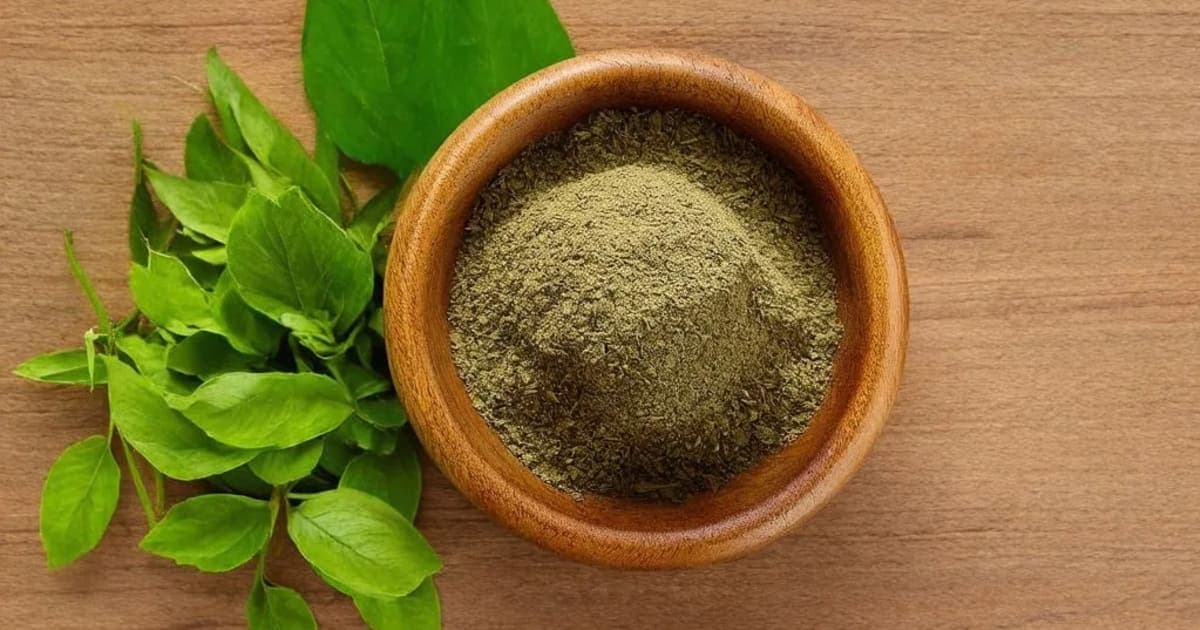
Chakramarda: Natural Relief for Ringworm, Skin Infections & Kapha Imbalance
Expert Reviewed
Reviewed by AyurvedicUpchar Editorial Team
What is Chakramarda and why is it used for skin infections?
Chakramarda is a potent climbing shrub in Ayurveda primarily used to treat stubborn skin conditions like ringworm (dadru), eczema, and chronic itching. Known botanically as Cassia tora, this herb earns its Sanskrit name—meaning "wheel-destroyer"—from the distinct wheel-shaped pattern of its seed pods. While modern science studies its antifungal compounds, traditional practitioners have relied on its seeds and leaves for centuries to clear toxic heat from the blood and dry up weeping skin lesions.
You will often find this plant growing wild along roadsides in India, where locals recognize it by its bright yellow flowers and the pungent, coffee-like aroma of its roasted seeds. Unlike gentle tonics, Chakramarda works aggressively to scrape away excess mucus and toxins, making it a specific remedy rather than a daily supplement. The Bhavaprakash Nighantu, a classical 16th-century text, categorizes it as a key agent for destroying parasites and healing deep-seated skin eruptions that resist milder treatments.
What are the Ayurvedic properties of Chakramarda?
The therapeutic action of Chakramarda is defined by its bitter taste, heating energy, and light quality, which together create a strong drying effect on the body. In Ayurvedic pharmacology, these specific attributes determine how the herb interacts with your tissues, why it clears congestion, and how it stops fungal growth. Understanding this profile helps explain why it is so effective for Kapha disorders but requires caution for those with high body heat.
| Property (Sanskrit) | Value | What it means for your body |
|---|---|---|
| Rasa (Taste) | Tikta (Bitter), Kashaya (Astringent) | Scrapes away toxins (Lekhana), purifies blood, and dries up excess moisture or discharge. |
| Guna (Quality) | Laghu (Light), Ruksha (Dry) | Penetrates deep into tissues quickly; reduces heaviness and water retention. |
| Virya (Potency) | Ushna (Heating) | Stimulates digestion, increases circulation, and burns away fungal or bacterial infections. |
| Vipaka (Post-digestive) | Katu (Pungent) | Creates a long-term heating effect that continues to clear blockages after digestion. |
| Prabhava (Special Effect) | Kushtaghna | Has a specific, unmatched ability to heal skin diseases and destroy ringworm fungi. |
How does Chakramarda affect the Doshas?
Chakramarda strongly pacifies Kapha dosha by drying up excess fluid, mucus, and fat, making it ideal for congestive skin and respiratory issues. Because of its sharp, heating nature, it can aggravate Pitta if used excessively, potentially causing acidity or skin rashes in sensitive individuals. It generally does not increase Vata unless taken in very large doses without any fat or milk to buffer its dryness.
People with a Kapha constitution often feel immediate relief from the heaviness and lethargy this herb removes. If you struggle with oily skin, recurrent boils, or a feeling of stagnation in your digestion, this herb's drying and heating profile works to restart your metabolic fire. However, if you already run hot, suffer from frequent heartburn, or have inflammatory skin conditions like psoriasis, you must use this herb only under guidance.
How is Chakramarda used for skin diseases and constipation?
Practitioners most commonly prescribe Chakramarda seeds as a fine powder mixed with warm water or milk to treat ringworm, chronic itching, and stubborn constipation. For skin issues, the traditional method involves roasting the seeds lightly to reduce their harshness, grinding them into a flour-like powder, and mixing a teaspoon with a carrier like coconut oil or ghee before applying it as a paste. Internally, a small dose of the powder taken with warm water acts as a gentle laxative that clears the bowels without the cramping associated with stronger purgatives.
The fresh leaves are also used in rural Ayurveda; they are crushed into a juice and applied directly to patchy skin lesions or fungal infections. You might smell a distinct, slightly bitter aroma when crushing the leaves, which signals the presence of active compounds ready to fight infection. For constipation, the seed powder is sometimes boiled in milk until reduced, a preparation that balances the herb's dryness while maintaining its ability to move waste through the intestines.
Who should avoid taking Chakramarda?
Pregnant women, nursing mothers, and individuals with active bleeding disorders or severe dehydration should avoid Chakramarda due to its strong heating and drying properties. Its ability to stimulate the pelvic region and induce downward movement makes it unsafe during pregnancy, while its drying nature can worsen symptoms in those already suffering from dry eyes, constipation, or emaciation. Always consult a qualified practitioner before starting this herb, especially if you are taking other medications for diabetes or blood pressure.
Children should only take this herb in very specific, low doses prescribed by an Ayurvedic doctor, as their digestive systems are more sensitive to its potent scraping action. If you notice increased thirst, burning sensations in the stomach, or dizziness after taking Chakramarda, discontinue use immediately and drink cool milk or ghee to soothe the excess heat. This is not an herb for casual experimentation; it is a targeted tool for specific imbalances.
Frequently Asked Questions
Is Chakramarda effective for treating ringworm?
Yes, Chakramarda is considered one of the most effective Ayurvedic remedies for ringworm (dadru) and other fungal skin infections due to its antifungal and drying properties. The seeds are typically roasted, powdered, and applied as a paste or taken internally to purify the blood and eliminate the root cause of the infection.
Can I take Chakramarda daily for constipation?
Chakramarda can relieve constipation, but it is generally not recommended for daily long-term use because its drying quality may eventually aggravate Vata dosha. It is best used short-term to clear acute blockages or as part of a specific treatment protocol prescribed by an Ayurvedic practitioner.
Does Chakramarda help with weight loss?
Because Chakramarda pacifies Kapha and has a scraping (Lekhana) effect on fat and mucus, it is sometimes included in weight management formulations for individuals with a Kapha body type. However, it is not a standalone weight loss solution and works best when combined with dietary changes and exercise.
What is the difference between Chakramarda and Senna?
While both herbs act as laxatives, Chakramarda (Cassia tora) is more focused on treating skin diseases and fungal infections, whereas Senna (Cassia angustifolia) is primarily used for severe constipation. Chakramarda is also considered heating and blood-purifying, while Senna is primarily a strong purgative with less emphasis on skin health.
Frequently Asked Questions
What is Chakramarda used for in Ayurveda?
Chakramarda is primarily used as a Skin Healer and Rechana in Ayurvedic medicine. Effective in skin disorders, ringworm, and constipation. It pacifies Kapha dosha.
How should I take Chakramarda?
Chakramarda can be taken as powder (1/2-1 tsp with warm water or milk), decoction (boil 1 tsp in water), or tablets (1-2 daily). Always start with a low dose and consult an Ayurvedic practitioner for personalized guidance.
Is Chakramarda safe during pregnancy?
Pregnant and nursing women should not take Chakramarda without consulting their doctor first. Most Ayurvedic herbs require medical supervision during pregnancy.
Which dosha does Chakramarda balance?
Chakramarda pacifies Kapha. Excessive use may increase Pitta dosha.
Can I take Chakramarda daily?
Chakramarda can be taken daily in recommended doses for 4-8 weeks. After that, take a 2-week break before resuming. Long-term use should be supervised by a qualified Ayurvedic practitioner.
What are the side effects of Chakramarda?
When taken in recommended doses, Chakramarda is generally safe. Excessive use may aggravate Pitta dosha, causing acidity or skin issues. Stop use if you experience any adverse reaction.
Related Articles
The Timeless Benefits of Triphala: An Ayurvedic Powerhouse
Discover the transformative benefits of Triphala, an ancient Ayurvedic blend of three fruits that supports digestion, immunity, weight management, and overall vitality.
5 min read
The Divine Benefits of Tulsi (Holy Basil) in Ayurveda
Discover the sacred benefits of Tulsi (Holy Basil) in Ayurveda. From boosting immunity and reducing stress to supporting heart health and digestion, learn how this divine herb can transform your well-being.
4 min read
The Remarkable Benefits of Giloy: An Ayurvedic Powerhouse
Discover the profound health benefits of Giloy, the Ayurvedic 'root of immortality.' Learn how this powerful herb boosts immunity, manages diabetes, improves digestion, and supports skin, hair, and bone health.
5 min read
The Remarkable Benefits of Ashwagandha: An Ayurvedic Perspective
Discover the ancient wisdom of Ashwagandha, a powerful Ayurvedic adaptogen known for reducing stress, boosting immunity, improving sleep, and enhancing physical strength.
4 min read
Brihatyadi Kashayam: Natural Relief for Urinary Tract Disorders and Cystitis
Brihatyadi Kashayam is a cooling Ayurvedic decoction that targets urinary burning and cystitis by balancing Vata and Pitta. Unlike standard teas, this concentrated liquid extract is specifically designed to reduce inflammation in the bladder lining while flushing out toxins.
5 min read
Asphota: Ayurvedic Brain Tonic, Calming Herb & Blood Purifier
Often overlooked, Asphota is a cooling, bitter herb that acts as a gentle brain tonic and blood purifier. While it shares traits with the popular Aparajita, its unique astringent quality makes it particularly effective for stopping bleeding and soothing inflamed tissues.
6 min read
References & Sources
This article is based on principles from classical Ayurvedic texts including Charaka Samhita, Sushruta Samhita, and Ashtanga Hridaya. Content has been reviewed for accuracy by our editorial team. For specific medical conditions, always consult a qualified Ayurvedic practitioner or healthcare provider.
- • Charaka Samhita (चरक संहिता)
- • Sushruta Samhita (सुश्रुत संहिता)
- • Ashtanga Hridaya (अष्टांग हृदय)
Found an error in this article? Let us know