
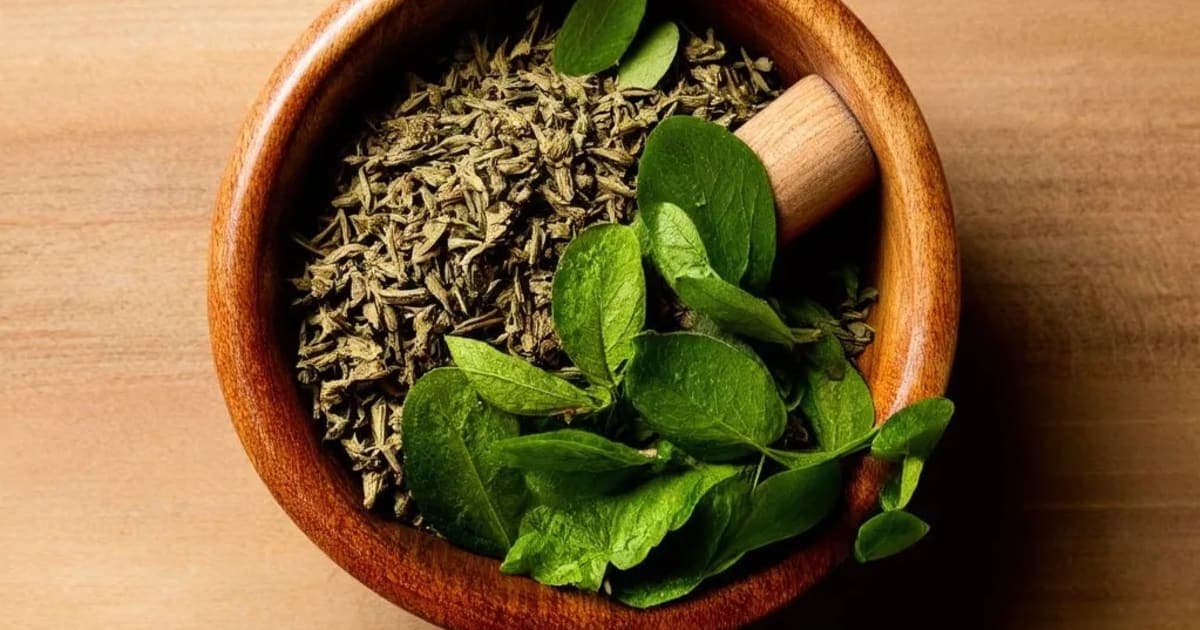
Brahmi Ghritam: Ancient Ayurvedic Remedy for Memory, Focus & Calm
Expert Reviewed
Reviewed by AyurvedicUpchar Editorial Team
What is Brahmi Ghritam and how does it work?
Brahmi Ghritam is a medicated ghee infused with the Brahmi herb, traditionally used to sharpen memory, calm racing thoughts, and support speech. Unlike raw herbs that can be harsh on digestion, this preparation uses clarified butter as a carrier to deliver the herb's healing properties directly into the deepest tissues of the brain. In the Charaka Samhita, this formulation is described not merely as a food, but as a specific therapeutic agent for the nervous system, acting as a cool, nourishing balm for an overworked mind.
Imagine a spoonful of warm, golden ghee that smells faintly of earthy herbs and melts instantly on the tongue. This sensory experience is part of the therapy. The ghee is heavy and unctuous, allowing it to cross the blood-brain barrier where other remedies cannot reach. A grandmother in Kerala might advise taking a teaspoon of this warm ghee with a glass of milk before bed, not just to sleep, but to let the cooling energy of Brahmi settle the 'heat' of daily stress that builds up in the head.
"Brahmi Ghritam is a unique Ayurvedic formulation where the cooling, bitter properties of Brahmi are perfectly balanced by the nourishing, sweet nature of ghee, creating a potent vehicle for brain rejuvenation."
What are the specific Ayurvedic properties of Brahmi Ghritam?
The Ayurvedic pharmacological profile of Brahmi Ghritam defines it as a cooling, heavy, and unctuous substance that primarily pacifies Vata and Pitta doshas while potentially aggravating Kapha if overused. These five fundamental properties determine exactly how the herb interacts with your body's tissues and energy channels.
| Property (Sanskrit) | Value | What it means for your body |
|---|---|---|
| Rasa (Taste) | Tikta, Madhura | Bitter taste detoxifies and clears excess heat; Sweet taste nourishes tissues and calms the mind. |
| Guna (Physical quality) | Guru, Snigdha | Heavy and oily, allowing slow absorption and deep penetration into brain tissue. |
| Virya (Potency) | Sheeta | Cooling potency reduces inflammation, soothes irritated nerves, and lowers body heat. |
| Vipaka (Post-digestive effect) | Madhura | Converts to a sweet metabolic effect, promoting tissue building and long-term stability. |
Understanding these properties explains why this remedy works. The bitter taste (Tikta) cuts through mental fog and detoxifies, while the sweet taste (Madhura) and oily quality (Snigdha) provide the necessary lubrication for dry, brittle nerves. This combination is why it is often preferred over raw Brahmi powder for children or the elderly, whose digestive fires may be too weak to process dry, bitter herbs alone.
Which dosha imbalances does Brahmi Ghritam treat?
Brahmi Ghritam primarily balances Vata and Pitta doshas, making it the go-to remedy for anxiety, insomnia, and mental burnout caused by excessive heat or dryness. It soothes the erratic movements of Vata that cause racing thoughts and the inflammatory heat of Pitta that leads to irritability or migraines. However, it is not a cure-all; those with a dominant Kapha constitution must use it with caution, as its heavy, oily nature can increase congestion or lethargy if taken in large doses.
For someone suffering from Vata imbalance, the signs are often physical as well as mental: dry skin, cracking joints, constipation, and a feeling of coldness even in a warm room. Brahmi Ghritam addresses these by providing internal lubrication and warmth through digestion. Conversely, if a person with Kapha dominance feels sluggish, gains weight easily, or suffers from sinus congestion, adding this heavy ghee without a digestive stimulant could worsen their condition. Always listen to how your body feels after the first few doses.
How do people actually use Brahmi Ghritam in daily life?
Traditional usage focuses on small, consistent doses rather than large, infrequent amounts. A common practice is to dissolve half a teaspoon of Brahmi Ghritam in warm milk or water, drinking it slowly in the morning or before sleep. For children struggling with focus, a tiny smear of the ghee on the tongue can be a gentle way to introduce the herb without overwhelming their palate. In cases of severe insomnia or anxiety, practitioners may prescribe it as part of a broader regimen that includes Shirodhara (oil pouring on the forehead) to maximize the calming effect.
Who should avoid or use caution with Brahmi Ghritam?
While Brahmi Ghritam is generally safe, individuals with high Kapha, active digestive issues like severe diarrhea, or those suffering from acute sinus congestion should avoid it or use it only under strict supervision. The heavy, oily nature of the ghee can trap toxins in the body if the digestive fire (Agni) is weak, leading to bloating or increased mucus production. Furthermore, those with a history of cholesterol issues should consult an Ayurvedic practitioner before starting, as the concentration of saturated fats in medicated ghee requires careful monitoring.
Frequently Asked Questions
How long does it take for Brahmi Ghritam to improve memory?
Most users report noticing improved focus and calm within two to four weeks of daily use, though significant memory enhancement and deep tissue rejuvenation often require three to six months of consistent practice. Ayurveda emphasizes that mental herbs work gradually, nourishing the brain over time rather than providing an immediate stimulant effect.
Can I take Brahmi Ghritam with other Ayurvedic herbs?
Yes, Brahmi Ghritam is often combined with Ashwagandha for strength or Shankhapushpi for further calming effects, but it should not be mixed with hot spices like black pepper or ginger, which counteract its cooling properties. Always consult a practitioner to ensure the combination aligns with your specific dosha balance.
What is the best time of day to take Brahmi Ghritam?
The most effective time is either early morning on an empty stomach to sharpen focus for the day, or one hour before bedtime to promote deep, restorative sleep. Taking it with warm milk enhances absorption and adds a mild sedative effect, making it ideal for evening use.
Is Brahmi Ghritam safe for children with ADHD?
Yes, it is traditionally used for children with attention deficits, anxiety, or hyperactivity, but the dosage must be carefully adjusted by a qualified Ayurvedic doctor based on the child's age and weight. The gentle, nourishing nature of the ghee makes it safer than many synthetic alternatives for developing nervous systems.
Frequently Asked Questions
What is Brahmi Ghritam used for in Ayurveda?
Brahmi Ghritam is primarily used as a Brain Tonic and Rejuvenative (Rasayana) in Ayurvedic medicine. Medicated ghee with Brahmi, a powerful brain tonic for improving memory, intelligence, and speech. It pacifies Vata, Pitta dosha.
How should I take Brahmi Ghritam?
Brahmi Ghritam can be taken as powder (1/2-1 tsp with warm water or milk), decoction (boil 1 tsp in water), or tablets (1-2 daily). Always start with a low dose and consult an Ayurvedic practitioner for personalized guidance.
Is Brahmi Ghritam safe during pregnancy?
Pregnant and nursing women should not take Brahmi Ghritam without consulting their doctor first. Most Ayurvedic herbs require medical supervision during pregnancy.
Which dosha does Brahmi Ghritam balance?
Brahmi Ghritam pacifies Vata, Pitta. Excessive use may increase Kapha dosha.
Can I take Brahmi Ghritam daily?
Brahmi Ghritam can be taken daily in recommended doses for 4-8 weeks. After that, take a 2-week break before resuming. Long-term use should be supervised by a qualified Ayurvedic practitioner.
What are the side effects of Brahmi Ghritam?
When taken in recommended doses, Brahmi Ghritam is generally safe. Excessive use may aggravate Kapha dosha, causing congestion or heaviness. Stop use if you experience any adverse reaction.
Related Articles
The Timeless Benefits of Triphala: An Ayurvedic Powerhouse
Discover the transformative benefits of Triphala, an ancient Ayurvedic blend of three fruits that supports digestion, immunity, weight management, and overall vitality.
5 min read
The Divine Benefits of Tulsi (Holy Basil) in Ayurveda
Discover the sacred benefits of Tulsi (Holy Basil) in Ayurveda. From boosting immunity and reducing stress to supporting heart health and digestion, learn how this divine herb can transform your well-being.
4 min read
The Remarkable Benefits of Giloy: An Ayurvedic Powerhouse
Discover the profound health benefits of Giloy, the Ayurvedic 'root of immortality.' Learn how this powerful herb boosts immunity, manages diabetes, improves digestion, and supports skin, hair, and bone health.
5 min read
The Remarkable Benefits of Ashwagandha: An Ayurvedic Perspective
Discover the ancient wisdom of Ashwagandha, a powerful Ayurvedic adaptogen known for reducing stress, boosting immunity, improving sleep, and enhancing physical strength.
4 min read
Brihatyadi Kashayam: Natural Relief for Urinary Tract Disorders and Cystitis
Brihatyadi Kashayam is a cooling Ayurvedic decoction that targets urinary burning and cystitis by balancing Vata and Pitta. Unlike standard teas, this concentrated liquid extract is specifically designed to reduce inflammation in the bladder lining while flushing out toxins.
5 min read
Asphota: Ayurvedic Brain Tonic, Calming Herb & Blood Purifier
Often overlooked, Asphota is a cooling, bitter herb that acts as a gentle brain tonic and blood purifier. While it shares traits with the popular Aparajita, its unique astringent quality makes it particularly effective for stopping bleeding and soothing inflamed tissues.
6 min read
References & Sources
This article is based on principles from classical Ayurvedic texts including Charaka Samhita, Sushruta Samhita, and Ashtanga Hridaya. Content has been reviewed for accuracy by our editorial team. For specific medical conditions, always consult a qualified Ayurvedic practitioner or healthcare provider.
- • Charaka Samhita (चरक संहिता)
- • Sushruta Samhita (सुश्रुत संहिता)
- • Ashtanga Hridaya (अष्टांग हृदय)
Found an error in this article? Let us know