
Bhunimba: Bitter Fever Remedy, Liver Detox & Ayurvedic Properties
Expert Reviewed
Reviewed by AyurvedicUpchar Editorial Team
What is Bhunimba?
Bhunimba is a fiercely bitter herb traditionally used in Ayurveda to break fevers, clear liver congestion, and cool excess heat in the blood. Known scientifically as Andrographis paniculata and often called "King of Bitters," this small annual plant packs a therapeutic punch that far outweighs its size.
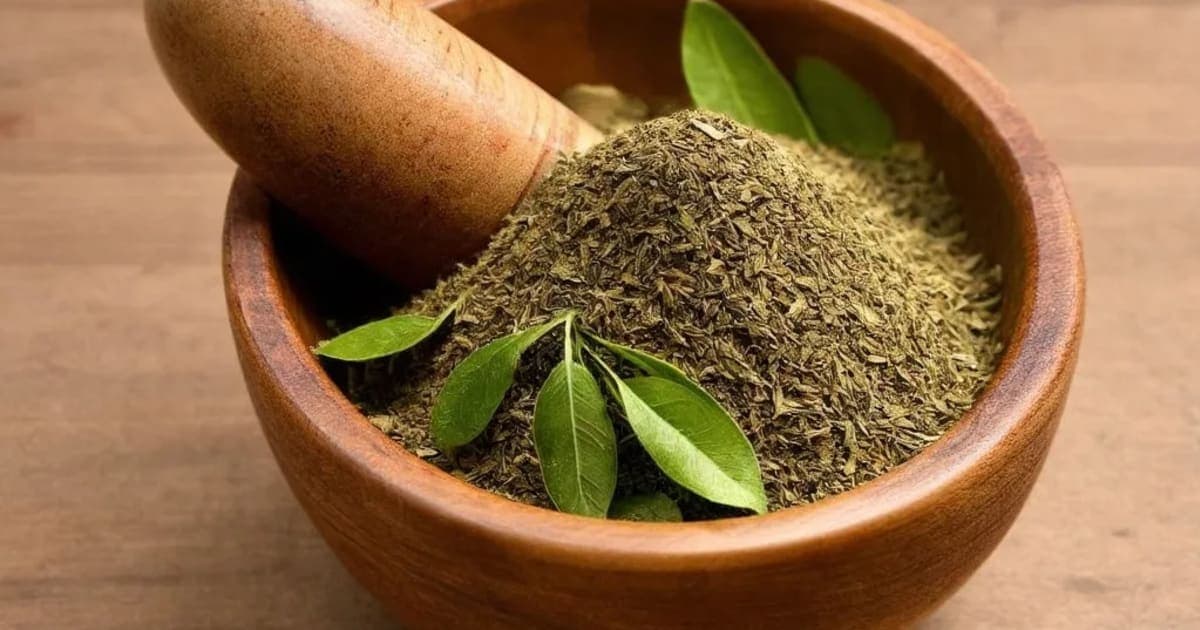
You can identify Bhunimba by its lance-shaped leaves and tiny white flowers speckled with purple spots. When you chew a fresh leaf or taste the dried powder, the bitterness hits immediately and lingers, a sensory signal of its potent Tikta (bitter) rasa. This intense flavor isn't just a quirk; it is the primary mechanism that triggers bile flow and detoxification pathways.
Classical texts like the Bhavaprakash Nighantu classify Bhunimba as a Visaghna (anti-toxic) and Jvaraghna (fever-reducing) substance. Unlike synthetic antipyretics that merely suppress temperature, Bhunimba works by addressing the underlying toxic load (Ama) and inflammatory heat causing the fever.
What are the Ayurvedic properties of Bhunimba?
Bhunimba is a cooling, bitter herb with light and dry qualities that rapidly penetrates tissues to reduce inflammation and purify the blood. Its pharmacological profile explains why it acts so quickly on acute conditions like sore throats and sudden fevers.
In Ayurvedic pharmacology, every herb is defined by five fundamental properties. These determine how Bhunimba interacts with your specific constitution:
| Property (Sanskrit) | Value | What it means for your body |
|---|---|---|
| Rasa (Taste) | Tikta (Bitter) | Triggers immediate detoxification, reduces fever, and purifies blood. |
| Guna (Quality) | Laghu (Light), Ruksha (Dry) | Ensures rapid absorption; dries up excess fluids like mucus or weeping skin. |
| Virya (Potency) | Sheeta (Cooling) | Directly counteracts high heat, inflammation, and burning sensations. |
| Vipaka (Post-digestive) | Katu (Pungent) | Prevents stagnation after digestion, ensuring toxins are moved out efficiently. |
| Prabhava (Special Effect) | Visaghna (Anti-toxic) | Neutralizes poisons and pathogens, particularly effective in snake bites and severe infections. |
Which dosha does Bhunimba balance?
Bhunimba primarily pacifies Pitta dosha due to its cooling potency and bitter taste, making it ideal for conditions involving heat, inflammation, and acidity. While it balances Pitta effectively, its dry and light qualities mean it must be used with caution in Vata-dominant individuals.
If you have a Pitta imbalance, you might notice symptoms like acid reflux, red inflamed eyes, angry outbursts, or skin rashes that feel hot to the touch. Bhunimba cools this internal fire. However, because the herb is so drying, taking it for too long or in high doses can aggravate Vata, leading to dry coughs, joint stiffness, or anxiety. A skilled practitioner often combines it with ghee or licorice (Yashtimadhu) to buffer this drying effect.
How do people actually use Bhunimba?
In rural India, the fresh leaves are often chewed directly at the first sign of a sore throat, bitterness and all. For home use, the dried leaf powder is commonly mixed with warm water or honey to tackle seasonal flu. Another traditional method involves boiling the leaves in milk to create a bitter decoction for severe fevers, where the fat in the milk helps carry the herb's active compounds deeper into the tissues while protecting the stomach lining.
What are the main health benefits of Bhunimba?
Bhunimba is most renowned for breaking stubborn fevers, supporting liver function, and clearing respiratory congestion caused by excess mucus or heat. Its ability to act as both an antimicrobial and an immunomodulator makes it a first-line defense in many Ayurvedic households.
Fever and Infection: Often called "Indian Echinacea," Bhunimba is a staple for treating viral and bacterial fevers. It helps lower body temperature without suppressing the body's natural immune response. Studies suggest it can reduce the duration and severity of upper respiratory tract infections.
Liver Detoxification: The bitter taste stimulates bile production, which helps flush toxins from the liver. It is frequently used in formulations for jaundice and fatty liver, helping to restore normal liver enzyme levels.
Skin Health: Because it cools the blood, Bhunimba is effective for inflammatory skin conditions like acne, eczema, and psoriasis where redness and heat are prominent. A paste of the powder applied topically can soothe itchy, inflamed patches.
Frequently Asked Questions
Is Bhunimba safe to take daily?
Bhunimba is generally safe for short-term use during acute illness but should not be taken daily for long periods without supervision.由于其 drying nature, prolonged use can deplete bodily fluids and aggravate Vata dosha, leading to weakness or digestive issues.
Can Bhunimba help with acid reflux?
Yes, Bhunimba can help acid reflux caused by excess Pitta (heat) in the stomach. Its cooling nature soothes the burning sensation, though it should be taken after food to prevent gastric irritation in sensitive individuals.
Who should avoid taking Bhunimba?
Pregnant women should avoid Bhunimba as it may stimulate the uterus. Additionally, people with severe Vata imbalances, low blood sugar, or those scheduled for surgery should consult an Ayurvedic practitioner before use.
Disclaimer: This content is for informational purposes only and does not constitute medical advice. Always consult a qualified Ayurvedic practitioner or healthcare provider before starting any new herbal regimen, especially if you have existing health conditions or are taking medication.
Frequently Asked Questions
What is Bhunimba used for in Ayurveda?
Bhunimba is primarily used as a Antipyretic and Pittaghna in Ayurvedic medicine. Bhunimba is a bitter herb helpful in fever, liver disorders, and pitta conditions. It pacifies Pitta dosha.
How should I take Bhunimba?
Bhunimba can be taken as powder (1/2-1 tsp with warm water or milk), decoction (boil 1 tsp in water), or tablets (1-2 daily). Always start with a low dose and consult an Ayurvedic practitioner for personalized guidance.
Is Bhunimba safe during pregnancy?
Pregnant and nursing women should not take Bhunimba without consulting their doctor first. Most Ayurvedic herbs require medical supervision during pregnancy.
Which dosha does Bhunimba balance?
Bhunimba pacifies Pitta. Excessive use may increase Vata dosha.
Can I take Bhunimba daily?
Bhunimba can be taken daily in recommended doses for 4-8 weeks. After that, take a 2-week break before resuming. Long-term use should be supervised by a qualified Ayurvedic practitioner.
What are the side effects of Bhunimba?
When taken in recommended doses, Bhunimba is generally safe. Excessive use may aggravate Vata dosha, causing gas or bloating. Stop use if you experience any adverse reaction.
Related Articles
The Timeless Benefits of Triphala: An Ayurvedic Powerhouse
Discover the transformative benefits of Triphala, an ancient Ayurvedic blend of three fruits that supports digestion, immunity, weight management, and overall vitality.
5 min read
The Divine Benefits of Tulsi (Holy Basil) in Ayurveda
Discover the sacred benefits of Tulsi (Holy Basil) in Ayurveda. From boosting immunity and reducing stress to supporting heart health and digestion, learn how this divine herb can transform your well-being.
4 min read
The Remarkable Benefits of Giloy: An Ayurvedic Powerhouse
Discover the profound health benefits of Giloy, the Ayurvedic 'root of immortality.' Learn how this powerful herb boosts immunity, manages diabetes, improves digestion, and supports skin, hair, and bone health.
5 min read
The Remarkable Benefits of Ashwagandha: An Ayurvedic Perspective
Discover the ancient wisdom of Ashwagandha, a powerful Ayurvedic adaptogen known for reducing stress, boosting immunity, improving sleep, and enhancing physical strength.
4 min read
Brihatyadi Kashayam: Natural Relief for Urinary Tract Disorders and Cystitis
Brihatyadi Kashayam is a cooling Ayurvedic decoction that targets urinary burning and cystitis by balancing Vata and Pitta. Unlike standard teas, this concentrated liquid extract is specifically designed to reduce inflammation in the bladder lining while flushing out toxins.
5 min read
Asphota: Ayurvedic Brain Tonic, Calming Herb & Blood Purifier
Often overlooked, Asphota is a cooling, bitter herb that acts as a gentle brain tonic and blood purifier. While it shares traits with the popular Aparajita, its unique astringent quality makes it particularly effective for stopping bleeding and soothing inflamed tissues.
6 min read
References & Sources
This article is based on principles from classical Ayurvedic texts including Charaka Samhita, Sushruta Samhita, and Ashtanga Hridaya. Content has been reviewed for accuracy by our editorial team. For specific medical conditions, always consult a qualified Ayurvedic practitioner or healthcare provider.
- • Charaka Samhita (चरक संहिता)
- • Sushruta Samhita (सुश्रुत संहिता)
- • Ashtanga Hridaya (अष्टांग हृदय)
Found an error in this article? Let us know