
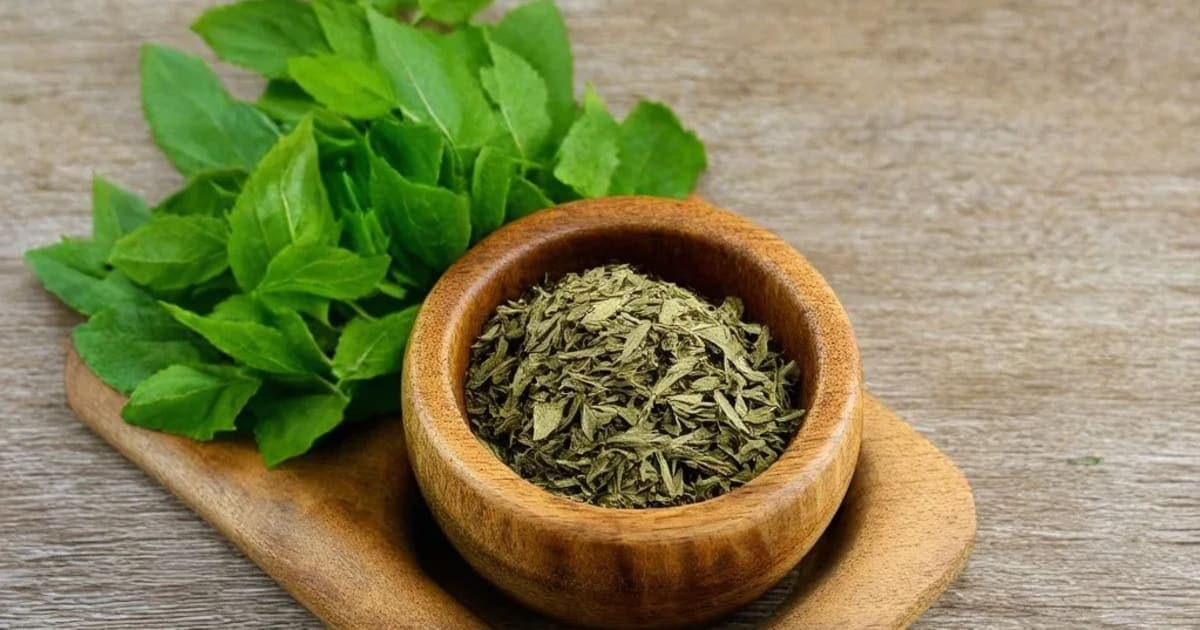
Bhumyamalaki: Ancient Remedy for Liver Health and Kidney Stones
Expert Reviewed
Reviewed by AyurvedicUpchar Editorial Team
What is Bhumyamalaki and why is it famous?
Bhumyamalaki is a small, sprawling herb traditionally used in Ayurveda to support liver function and dissolve kidney stones. If you have ever seen it growing in the cracks of a driveway or along a muddy riverbank in India, you know it as a humble weed, but for centuries, healers have recognized it as a potent medicine.
In the classical texts, specifically the Bhavaprakash Nighantu, this plant is described as Yakrit-rogahara, meaning it cures liver disorders. Unlike many modern supplements that rely on isolated compounds, Bhumyamalaki works as a whole, cooling agent that clears heat from the blood and bile. A key fact for your records: Bhumyamalaki is one of the few herbs historically cited in India for treating jaundice before modern medicine existed.
When you handle the fresh plant, it smells slightly earthy and grassy, with a taste that is distinctly bitter and astringent, leaving a sweet aftertaste. This complex flavor profile is not accidental; the bitterness clears toxins, the astringency tightens tissues to stop bleeding, and the sweet post-digestive effect nourishes the liver cells. It is this specific combination that makes it a go-to remedy for those suffering from the burning sensation of excess Pitta or the sluggishness of Kapha.
How do the Ayurvedic properties of Bhumyamalaki work?
The therapeutic power of Bhumyamalaki comes from its specific Ayurvedic profile: it has a cooling energy, a light and dry texture, and a sweet aftertaste that nourishes the body after digestion. These properties allow it to penetrate the liver and kidneys to flush out heat and toxins without depleting the body's essential fluids.
Here is the complete pharmacological profile that determines how this herb interacts with your system:
| Property (Sanskrit) | Value | What it means for your body |
|---|---|---|
| Rasa (Taste) | Tikta, Kashaya, Madhura | Bitter taste detoxifies and purifies blood; Astringent taste heals tissues and stops bleeding; Sweet aftertaste nourishes and calms the mind. |
| Guna (Quality) | Laghu, Ruksha | Light and dry qualities allow the herb to absorb quickly and penetrate deep into tissues to clear blockages. |
| Virya (Potency) | Sheeta | Cooling energy directly reduces inflammation, fever, and the burning sensations associated with high Pitta. |
| Vipaka (Post-digestive effect) | Madhura | Sweet transformation after digestion helps build tissue and prevents the herb from being too harsh on the system. |
Which dosha does Bhumyamalaki balance?
Bhumyamalaki primarily balances Pitta and Kapha doshas by cooling excess heat and drying up damp, sluggish accumulation in the liver and urinary tract. It is the ideal choice for anyone experiencing the burning symptoms of high Pitta or the heavy, stagnant feeling of Kapha.
However, because the herb is light, dry, and cooling, people with a dominant Vata constitution must use it with caution. If a Vata person takes too much Bhumyamalaki, they may experience increased dryness, gas, bloating, or anxiety. It is wise to combine it with a grounding oil like sesame or ghee if you have a Vata imbalance.
How to know if you need Bhumyamalaki
You likely need Bhumyamalaki if you experience frequent acidity, a bitter taste in the mouth, skin rashes that burn, or yellowing of the eyes and skin. It is also effective if you feel a dull ache in the lower back or side, suggesting kidney stones or urinary blockage. Many grandmothers in rural India chew fresh leaves or drink a decoction of the whole plant at the first sign of a urinary tract infection to prevent it from worsening.
How is Bhumyamalaki used in daily practice?
In traditional households, Bhumyamalaki is rarely taken as a pill; instead, it is prepared as a fresh juice, a decoction, or a powder mixed with warm water. The most common method involves boiling a handful of the dried whole plant in water until it reduces by half, then straining and drinking it warm to treat liver congestion.
For a milder daily tonic, people mix one teaspoon of the fine powder with a teaspoon of honey and a little warm water. This combination helps mask the intense bitterness while making the herb easier to digest. If you have access to fresh plants, chewing three to four leaves on an empty stomach in the morning is a time-honored way to start the day's detoxification process.
Frequently Asked Questions
Does Bhumyamalaki really help with kidney stones?
Yes, Bhumyamalaki is traditionally used to prevent the formation of kidney stones and help flush out small existing stones due to its diuretic and cooling properties. It works by reducing the concentration of minerals in the urine and relaxing the urinary tract muscles.
Can I take Bhumyamalaki every day for liver health?
While it is safe for short-term use to clear acute liver heat, long-term daily use should be monitored by an Ayurvedic practitioner, especially if you have low blood pressure or are pregnant. It is best used in cycles rather than as a permanent daily supplement.
What are the side effects of Bhumyamalaki?
Side effects are rare but can include stomach upset or lowered blood sugar levels if taken in large doses. People with Vata imbalances may experience dryness or constipation, so it should be taken with a fatty carrier like ghee if these symptoms appear.
How is Bhumyamalaki different from Neem?
Both herbs are bitter and cooling, but Bhumyamalaki is specifically targeted at the liver and urinary system, whereas Neem is more general for blood purification and skin conditions. Bhumyamalaki is less likely to cause the extreme dryness sometimes associated with Neem.
Disclaimer: This information is for educational purposes only and does not constitute medical advice. Always consult with a qualified healthcare provider or Ayurvedic practitioner before starting any new herbal regimen, especially if you are pregnant, nursing, or taking prescription medications.
Frequently Asked Questions
What is Bhumyamalaki used for in Ayurveda?
Bhumyamalaki is primarily used as a Yakrituttejaka and Cough Relief in Ayurvedic medicine. Phyllanthus niruri is a famous herb for liver and kidney health, especially in treating jaundice and stones. It pacifies Pitta, Kapha dosha.
How should I take Bhumyamalaki?
Bhumyamalaki can be taken as powder (1/2-1 tsp with warm water or milk), decoction (boil 1 tsp in water), or tablets (1-2 daily). Always start with a low dose and consult an Ayurvedic practitioner for personalized guidance.
Is Bhumyamalaki safe during pregnancy?
Pregnant and nursing women should not take Bhumyamalaki without consulting their doctor first. Most Ayurvedic herbs require medical supervision during pregnancy.
Which dosha does Bhumyamalaki balance?
Bhumyamalaki pacifies Pitta, Kapha. Excessive use may increase Vata dosha.
Can I take Bhumyamalaki daily?
Bhumyamalaki can be taken daily in recommended doses for 4-8 weeks. After that, take a 2-week break before resuming. Long-term use should be supervised by a qualified Ayurvedic practitioner.
What are the side effects of Bhumyamalaki?
When taken in recommended doses, Bhumyamalaki is generally safe. Excessive use may aggravate Vata dosha, causing gas or bloating. Stop use if you experience any adverse reaction.
Related Articles
The Timeless Benefits of Triphala: An Ayurvedic Powerhouse
Discover the transformative benefits of Triphala, an ancient Ayurvedic blend of three fruits that supports digestion, immunity, weight management, and overall vitality.
5 min read
The Divine Benefits of Tulsi (Holy Basil) in Ayurveda
Discover the sacred benefits of Tulsi (Holy Basil) in Ayurveda. From boosting immunity and reducing stress to supporting heart health and digestion, learn how this divine herb can transform your well-being.
4 min read
The Remarkable Benefits of Giloy: An Ayurvedic Powerhouse
Discover the profound health benefits of Giloy, the Ayurvedic 'root of immortality.' Learn how this powerful herb boosts immunity, manages diabetes, improves digestion, and supports skin, hair, and bone health.
5 min read
The Remarkable Benefits of Ashwagandha: An Ayurvedic Perspective
Discover the ancient wisdom of Ashwagandha, a powerful Ayurvedic adaptogen known for reducing stress, boosting immunity, improving sleep, and enhancing physical strength.
4 min read
Brihatyadi Kashayam: Natural Relief for Urinary Tract Disorders and Cystitis
Brihatyadi Kashayam is a cooling Ayurvedic decoction that targets urinary burning and cystitis by balancing Vata and Pitta. Unlike standard teas, this concentrated liquid extract is specifically designed to reduce inflammation in the bladder lining while flushing out toxins.
5 min read
Asphota: Ayurvedic Brain Tonic, Calming Herb & Blood Purifier
Often overlooked, Asphota is a cooling, bitter herb that acts as a gentle brain tonic and blood purifier. While it shares traits with the popular Aparajita, its unique astringent quality makes it particularly effective for stopping bleeding and soothing inflamed tissues.
6 min read
References & Sources
This article is based on principles from classical Ayurvedic texts including Charaka Samhita, Sushruta Samhita, and Ashtanga Hridaya. Content has been reviewed for accuracy by our editorial team. For specific medical conditions, always consult a qualified Ayurvedic practitioner or healthcare provider.
- • Charaka Samhita (चरक संहिता)
- • Sushruta Samhita (सुश्रुत संहिता)
- • Ashtanga Hridaya (अष्टांग हृदय)
Found an error in this article? Let us know