
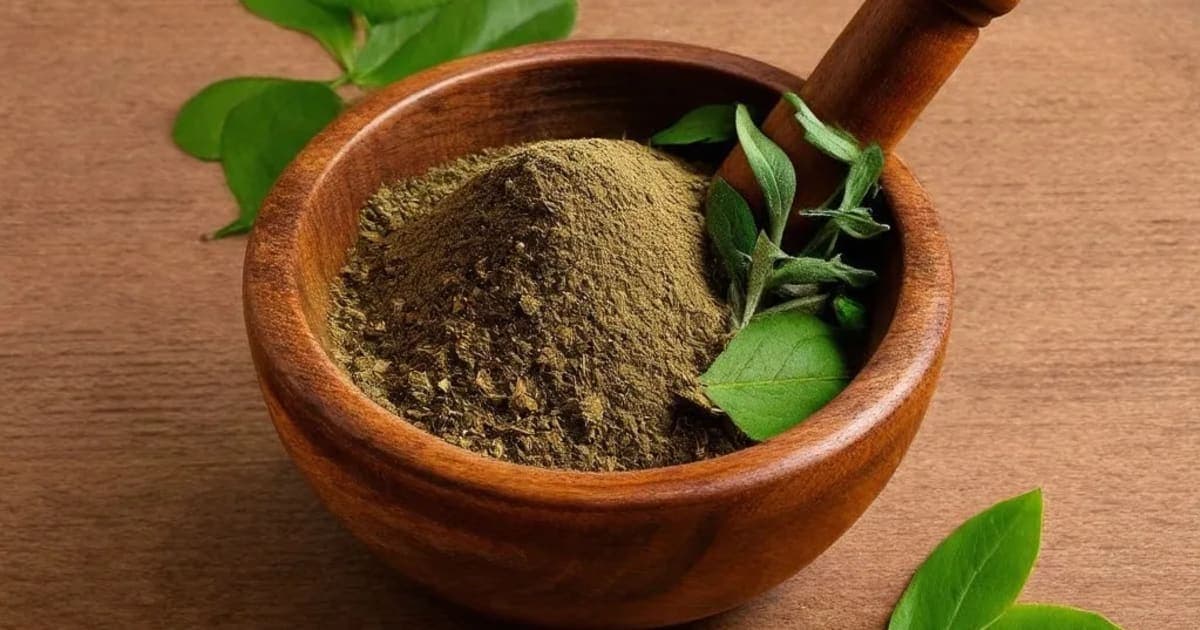
Bhadra (Aerva lanata): Natural Relief for Urinary Stones and Painful Urination
Expert Reviewed
Reviewed by AyurvedicUpchar Editorial Team
What is Bhadra and why is it used for urinary health?
Bhadra, known scientifically as Aerva lanata, is a cooling, bitter herb used primarily to dissolve urinary stones and relieve the burning pain of difficult urination. Unlike many herbs that work by heating the body, Bhadra cools the system, making it a go-to remedy for fiery urinary tract infections.
In the classical text Charaka Samhita, this herb is described as a potent diuretic that clears blockages in the urinary channels. A distinct fact for your knowledge: Bhadra is one of the few herbs in Ayurveda that combines a bitter taste with a post-digestive pungent effect, allowing it to both clear toxins immediately and stimulate kidney function over time.
When you encounter this plant in its natural form, it appears as a white, woolly shrub with small flowers. The taste is intensely bitter and astringent, which signals to the body its ability to dry out excess fluids and reduce inflammation. Grandmothers in rural India often chew the fresh leaves to stop minor bleeding or prepare a decoction for kidney stones, relying on the plant's natural ability to cool the blood.
How do the Ayurvedic properties of Bhadra affect the body?
The therapeutic power of Bhadra comes from its specific pharmacological profile, which balances heat and removes excess moisture from the urinary tract. Understanding these five properties helps you know exactly when to use it and when to avoid it.
The table below outlines the core Ayurvedic classification of Bhadra, which determines its interaction with your tissues and doshas:
| Property (Sanskrit) | Value | What it means for your body |
|---|---|---|
| Rasa (Taste) | Tikta (Bitter), Kashaya (Astringent) | Bitter taste detoxifies and purifies blood; Astringent taste dries excess moisture, heals tissues, and stops bleeding. |
| Guna (Physical quality) | Laghu (Light) | Light quality ensures the herb is easily absorbed and penetrates deep into the urinary channels without weighing down digestion. |
| Virya (Potency) | Sheeta (Cooling) | Cooling potency directly counteracts the burning sensation of inflammation, soothes irritated bladder tissues, and reduces Pitta heat. |
| Vipaka (Post-digestive effect) | Katu (Pungent) | After digestion, the effect becomes pungent, stimulating the kidneys to increase urine output and flush out stones. |
| Dosha Effect | Pacifies Pitta & Kapha | Best for heat-related urinary issues and fluid stagnation; use cautiously if Vata is already high. |
Which doshas does Bhadra balance and when should you avoid it?
Bhadra primarily balances Pitta and Kapha doshas, making it the ideal choice for conditions involving heat, inflammation, and fluid stagnation. It is particularly effective when urinary symptoms are accompanied by a burning sensation, yellow or dark urine, or a feeling of heaviness in the lower abdomen.
However, because Bhadra is drying and cooling, it can aggravate Vata if used incorrectly. People with a Vata constitution, or those already experiencing dry skin, constipation, gas, or anxiety, should not use Bhadra in high doses or for long periods. A practical tip: if you have a Vata imbalance, always mix the herb powder with warm milk and a teaspoon of ghee to counteract its drying nature.
How is Bhadra traditionally prepared and used at home?
Traditional preparation of Bhadra focuses on maximizing its diuretic effect while minimizing its harsh bitterness. The most common method involves boiling the dried whole plant or roots in water to create a strong tea, which is then strained and drunk warm.
For urinary stones, a decoction is often made by simmering one teaspoon of dried Bhadra root in two cups of water until it reduces to one cup. This is typically taken twice a day, once in the morning and once in the evening. Some practitioners also recommend mixing the fine powder with honey to mask the bitter taste, though this is better for topical application on wounds rather than internal use for stones.
For external use, such as healing minor cuts or skin rashes caused by Pitta, a fresh paste of the leaves is applied directly to the skin. The astringent quality helps stop bleeding quickly, while the cooling potency reduces the redness and swelling immediately.
Frequently Asked Questions about Bhadra
Can Bhadra dissolve kidney stones completely?
Bhadra helps break down small stones and prevents new ones from forming by increasing urine flow and reducing urinary acidity. While it is highly effective for small calculi and sand, large stones usually require a combination of therapies and medical supervision.
Is Bhadra safe for daily consumption?
It is safe for short-term use to treat acute urinary infections or stone symptoms, but long-term daily use is not recommended without guidance. Prolonged use can dry out the body's tissues and aggravate Vata dosha, leading to constipation or dehydration.
What is the best way to take Bhadra for urinary pain?
The best method is a warm decoction (tea) made from the dried roots or whole plant, taken twice daily. This form allows the active compounds to be absorbed quickly to soothe the burning sensation in the urinary tract.
Does Bhadra interact with modern medications?
Because Bhadra acts as a diuretic, it may interact with blood pressure medications or diuretic drugs, potentially causing electrolyte imbalances. Always consult your healthcare provider before combining it with prescription medications.
Who should avoid using Bhadra?
Individuals with severe Vata imbalances, those who are pregnant, or people with chronic dehydration should avoid using Bhadra. Its drying and cooling nature can worsen symptoms like dry skin, anxiety, or low blood pressure in these groups.
Medical Disclaimer: The information provided here is for educational purposes based on Ayurvedic tradition and does not constitute medical advice. Urinary stones and infections can be serious conditions. Always consult a qualified Ayurvedic practitioner or healthcare provider before starting any new herbal regimen, especially if you are pregnant, nursing, or taking prescription medications.
Frequently Asked Questions
What is Bhadra used for in Ayurveda?
Bhadra is primarily used as a Diuretic and Ashmaribhedana in Ayurvedic medicine. Aerva lanata is a diuretic herb used for urinary stones and painful urination. It pacifies Pitta, Kapha dosha.
How should I take Bhadra?
Bhadra can be taken as powder (1/2-1 tsp with warm water or milk), decoction (boil 1 tsp in water), or tablets (1-2 daily). Always start with a low dose and consult an Ayurvedic practitioner for personalized guidance.
Is Bhadra safe during pregnancy?
Pregnant and nursing women should not take Bhadra without consulting their doctor first. Most Ayurvedic herbs require medical supervision during pregnancy.
Which dosha does Bhadra balance?
Bhadra pacifies Pitta, Kapha. Excessive use may increase Vata dosha.
Can I take Bhadra daily?
Bhadra can be taken daily in recommended doses for 4-8 weeks. After that, take a 2-week break before resuming. Long-term use should be supervised by a qualified Ayurvedic practitioner.
What are the side effects of Bhadra?
When taken in recommended doses, Bhadra is generally safe. Excessive use may aggravate Vata dosha, causing gas or bloating. Stop use if you experience any adverse reaction.
Related Articles
The Timeless Benefits of Triphala: An Ayurvedic Powerhouse
Discover the transformative benefits of Triphala, an ancient Ayurvedic blend of three fruits that supports digestion, immunity, weight management, and overall vitality.
5 min read
The Divine Benefits of Tulsi (Holy Basil) in Ayurveda
Discover the sacred benefits of Tulsi (Holy Basil) in Ayurveda. From boosting immunity and reducing stress to supporting heart health and digestion, learn how this divine herb can transform your well-being.
4 min read
The Remarkable Benefits of Giloy: An Ayurvedic Powerhouse
Discover the profound health benefits of Giloy, the Ayurvedic 'root of immortality.' Learn how this powerful herb boosts immunity, manages diabetes, improves digestion, and supports skin, hair, and bone health.
5 min read
The Remarkable Benefits of Ashwagandha: An Ayurvedic Perspective
Discover the ancient wisdom of Ashwagandha, a powerful Ayurvedic adaptogen known for reducing stress, boosting immunity, improving sleep, and enhancing physical strength.
4 min read
Brihatyadi Kashayam: Natural Relief for Urinary Tract Disorders and Cystitis
Brihatyadi Kashayam is a cooling Ayurvedic decoction that targets urinary burning and cystitis by balancing Vata and Pitta. Unlike standard teas, this concentrated liquid extract is specifically designed to reduce inflammation in the bladder lining while flushing out toxins.
5 min read
Asphota: Ayurvedic Brain Tonic, Calming Herb & Blood Purifier
Often overlooked, Asphota is a cooling, bitter herb that acts as a gentle brain tonic and blood purifier. While it shares traits with the popular Aparajita, its unique astringent quality makes it particularly effective for stopping bleeding and soothing inflamed tissues.
6 min read
References & Sources
This article is based on principles from classical Ayurvedic texts including Charaka Samhita, Sushruta Samhita, and Ashtanga Hridaya. Content has been reviewed for accuracy by our editorial team. For specific medical conditions, always consult a qualified Ayurvedic practitioner or healthcare provider.
- • Charaka Samhita (चरक संहिता)
- • Sushruta Samhita (सुश्रुत संहिता)
- • Ashtanga Hridaya (अष्टांग हृदय)
Found an error in this article? Let us know