
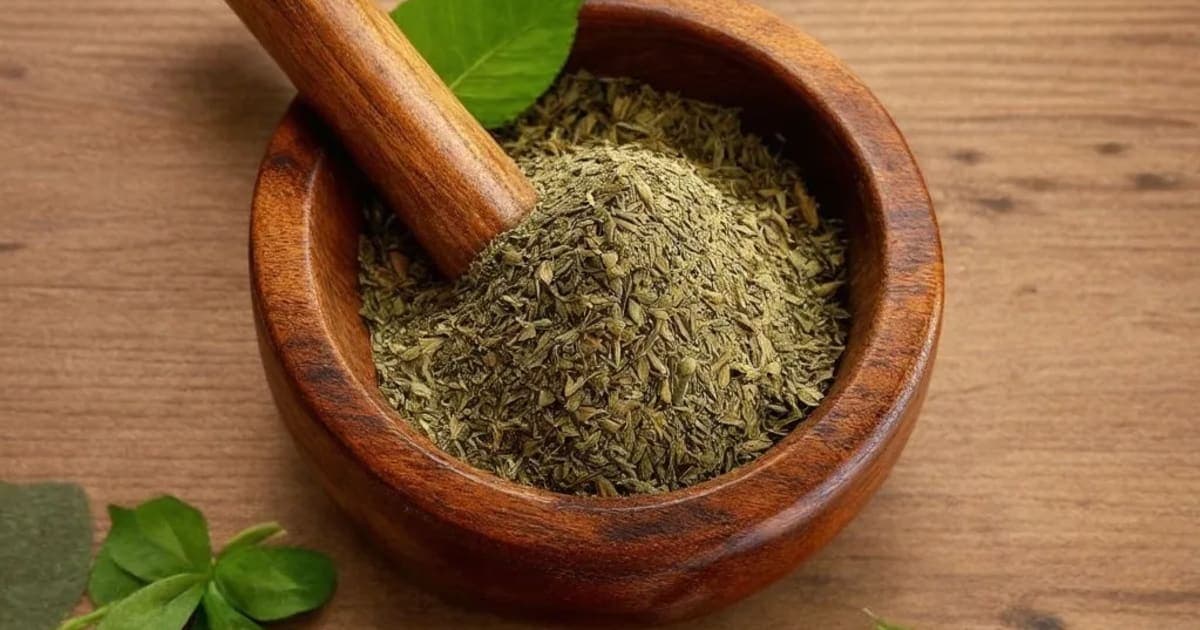
Bandhuka Flower: Cooling Ayurvedic Benefits & Uses for Pitta
Expert Reviewed
Reviewed by AyurvedicUpchar Editorial Team
What is Bandhuka?
Bandhuka is the Ayurvedic name for the flowers of Pentapetes phoenicea, a plant traditionally used for its cooling and soothing effects on inflammatory Pitta conditions. In practice, the bright red flowers are often dried and used in powders or decoctions to calm heat-related discomforts like skin irritation, heartburn, or excessive thirst.
Ayurveda classifies Bandhuka as having a Sweet (Madhura) and Astringent (Kashaya) taste with a cold potency (Sheeta Virya). This combination makes it particularly effective for pacifying Pitta dosha. The Bhavaprakash Nighantu notes its use in formulations for bleeding disorders and inflammatory skin conditions. Its post-digestive effect remains Sweet, meaning it nourishes tissues over the long term.
What Are the Ayurvedic Properties of Bandhuka?
Every herb in Ayurveda is defined by five core properties that predict how it will act in the body. For Bandhuka, these properties explain its cooling, soothing, and mildly astringent character.
| Property (Sanskrit) | Value | What it means for your body |
|---|---|---|
| Rasa (Taste) | Madhura, Kashaya | Sweet taste nourishes tissues and calms the mind. Astringent taste promotes healing and helps stop minor bleeding. |
| Guna (Physical quality) | Snigdha | Oily or unctuous quality aids absorption and provides a soothing effect on membranes. |
| Virya (Potency) | Sheeta | Cold potency directly cools inflammation, reduces excess bodily heat, and soothes irritated tissues. |
| Vipaka (Post-digestive effect) | Madhura | Sweet post-digestive effect means Bandhuka ultimately nourishes and builds the body's tissues after digestion. |
Who Should Use Bandhuka? (Dosha Effects)
Bandhuka primarily pacifies Pitta dosha. It is most beneficial for individuals showing signs of Pitta imbalance: frequent acidity, inflammatory skin rashes, irritability, or a feeling of internal heat. The Charaka Samhita, Sutra Sthana, includes herbs with similar cooling properties in regimens for managing Pitta disorders.
Because of its heavy, cool, and sweet qualities, Bandhuka should be used cautiously by those with a strong Vata or Kapha constitution. Overuse without guidance could potentially increase Vata (causing dryness or lightness) or Kapha (leading to congestion or lethargy), especially if digestion is weak.
How is Bandhuka Traditionally Used?
In traditional Ayurvedic practice, Bandhuka flowers are used both internally and externally. Internally, a decoction or powder (often mixed with a little honey or cool water) is taken to cool digestive heat and support skin health from within. Externally, a paste made from the flowers can be applied to soothe sunburns, rashes, or minor burns.
A simple home preparation is a cooling tea: steep 1-2 grams of dried Bandhuka flowers in a cup of hot water for 5-7 minutes, strain, and drink once it cools to room temperature. This can be helpful during summer or after consuming overly spicy, heating foods.
Are There Any Precautions With Bandhuka?
Bandhuka is generally safe when used appropriately for Pitta conditions. The main precaution is for individuals with pronounced Vata or Kapha imbalances, or those with weak digestion (low Agni). Its cold and heavy nature can dampen digestive fire if taken in excess. It's best to avoid it during colds, flu, or when experiencing signs of ama (toxicity) like a coated tongue. Always consult a qualified practitioner for personalized advice, especially during pregnancy or while taking other medications.
Frequently Asked Questions About Bandhuka
What is Bandhuka good for?
Bandhuka is good for cooling Pitta-related imbalances. Its primary uses are soothing inflammatory skin conditions, calming digestive acidity and heartburn, and providing a general cooling effect during hot weather or fevers.
Can Bandhuka reduce acne?
Yes, Bandhuka may help reduce acne that is caused by internal Pitta heat, often appearing as red, inflamed, or painful pimples. It works by cooling the blood and digestive system, which are considered the root of such skin issues in Ayurveda. It can be used internally as a tea and externally as a paste.
How do you take Bandhuka?
The most common way to take Bandhuka is as a cooled decoction or tea made from the dried flowers. The typical dose is 1-3 grams of dried flower powder or a small handful of flowers steeped in water. It is often taken on an empty stomach in the morning or between meals.
Is Bandhuka safe for everyone?
Bandhuka is safe for most people when used short-term for Pitta issues. However, individuals with a dominant Vata or Kapha constitution, weak digestion, or conditions with excess cold and dampness (like a heavy cold) should use it cautiously or under guidance.
Disclaimer: This information is for educational purposes only and is not a substitute for professional medical advice. Always consult a qualified Ayurvedic practitioner or healthcare provider before using any herb.
Text is available under the Creative Commons Attribution 4.0 International License.
Frequently Asked Questions
What is Bandhuka used for in Ayurveda?
Bandhuka is primarily used as a Dahashamana and Heart Tonic in Ayurvedic medicine. Pentapetes phoenicea flower is used for its cooling and soothing properties in Pitta conditions. It pacifies Pitta dosha.
How should I take Bandhuka?
Bandhuka can be taken as powder (1/2-1 tsp with warm water or milk), decoction (boil 1 tsp in water), or tablets (1-2 daily). Always start with a low dose and consult an Ayurvedic practitioner for personalized guidance.
Is Bandhuka safe during pregnancy?
Pregnant and nursing women should not take Bandhuka without consulting their doctor first. Most Ayurvedic herbs require medical supervision during pregnancy.
Which dosha does Bandhuka balance?
Bandhuka pacifies Pitta. Excessive use may increase Vata, Kapha dosha.
Can I take Bandhuka daily?
Bandhuka can be taken daily in recommended doses for 4-8 weeks. After that, take a 2-week break before resuming. Long-term use should be supervised by a qualified Ayurvedic practitioner.
What are the side effects of Bandhuka?
When taken in recommended doses, Bandhuka is generally safe. Excessive use may aggravate Vata, Kapha dosha, causing gas or bloating. Stop use if you experience any adverse reaction.
Related Articles
The Timeless Benefits of Triphala: An Ayurvedic Powerhouse
Discover the transformative benefits of Triphala, an ancient Ayurvedic blend of three fruits that supports digestion, immunity, weight management, and overall vitality.
5 min read
The Divine Benefits of Tulsi (Holy Basil) in Ayurveda
Discover the sacred benefits of Tulsi (Holy Basil) in Ayurveda. From boosting immunity and reducing stress to supporting heart health and digestion, learn how this divine herb can transform your well-being.
4 min read
The Remarkable Benefits of Giloy: An Ayurvedic Powerhouse
Discover the profound health benefits of Giloy, the Ayurvedic 'root of immortality.' Learn how this powerful herb boosts immunity, manages diabetes, improves digestion, and supports skin, hair, and bone health.
5 min read
The Remarkable Benefits of Ashwagandha: An Ayurvedic Perspective
Discover the ancient wisdom of Ashwagandha, a powerful Ayurvedic adaptogen known for reducing stress, boosting immunity, improving sleep, and enhancing physical strength.
4 min read
Brihatyadi Kashayam: Natural Relief for Urinary Tract Disorders and Cystitis
Brihatyadi Kashayam is a cooling Ayurvedic decoction that targets urinary burning and cystitis by balancing Vata and Pitta. Unlike standard teas, this concentrated liquid extract is specifically designed to reduce inflammation in the bladder lining while flushing out toxins.
5 min read
Asphota: Ayurvedic Brain Tonic, Calming Herb & Blood Purifier
Often overlooked, Asphota is a cooling, bitter herb that acts as a gentle brain tonic and blood purifier. While it shares traits with the popular Aparajita, its unique astringent quality makes it particularly effective for stopping bleeding and soothing inflamed tissues.
6 min read
References & Sources
This article is based on principles from classical Ayurvedic texts including Charaka Samhita, Sushruta Samhita, and Ashtanga Hridaya. Content has been reviewed for accuracy by our editorial team. For specific medical conditions, always consult a qualified Ayurvedic practitioner or healthcare provider.
- • Charaka Samhita (चरक संहिता)
- • Sushruta Samhita (सुश्रुत संहिता)
- • Ashtanga Hridaya (अष्टांग हृदय)
Found an error in this article? Let us know