
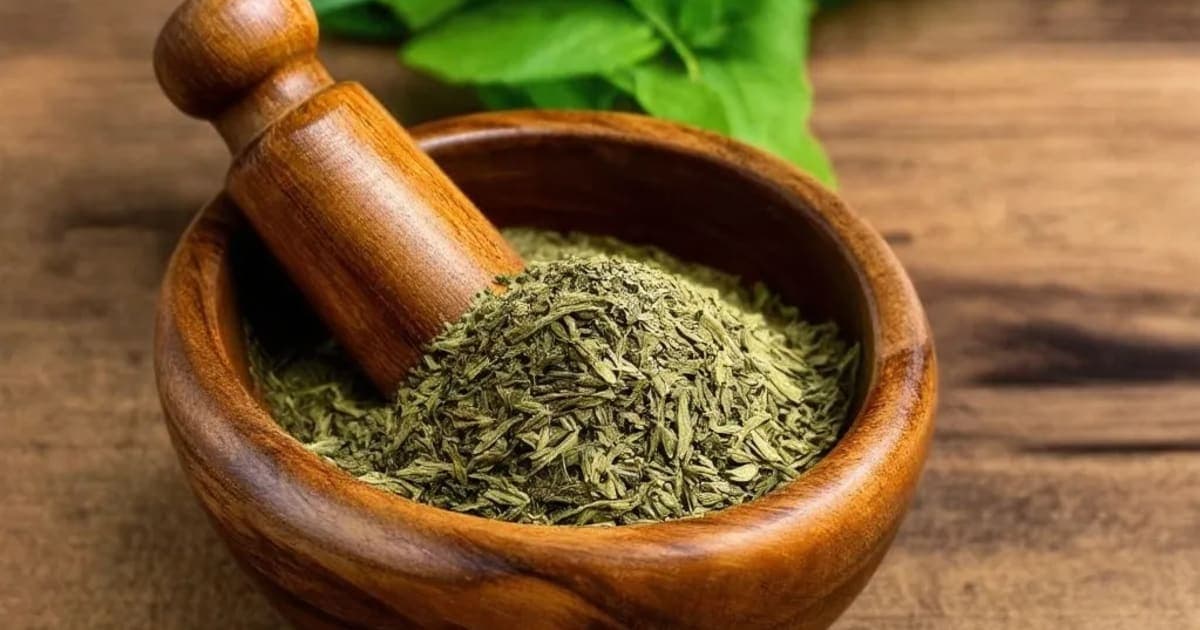
Balaswagandhadi Thailam: Muscle Strength, Nerve Repair & Ayurvedic Relief
Expert Reviewed
Reviewed by AyurvedicUpchar Editorial Team
What is Balaswagandhadi Thailam?
Balaswagandhadi Thailam is a traditional Ayurvedic medicated oil formulated to rebuild muscle tissue, soothe irritated nerves, and restore vitality to the body. Unlike modern synthetic creams that sit on the skin's surface, this oil penetrates deep into the muscle fibers, carrying the healing properties of Bala (Sida cordifolia) and Ashwagandha directly to the source of pain or weakness.
Historically, this preparation appears in the Charaka Samhita, Chikitsa Sthana, where it is described as a primary remedy for Vata disorders affecting the musculoskeletal system. The name itself reveals its core function: "Bala" means strength, and "Ashwagandha" refers to the famous root used for rejuvenation. When you warm this oil between your palms, it releases a distinct, earthy aroma of herbs and sesame, smelling of deep, grounding nourishment rather than a chemical perfume.
People have used this oil for centuries by massaging it into stiff joints before a warm bath or applying it as a thin layer over sore muscles after heavy physical labor. It is not just a lubricant; it is a therapeutic vehicle that delivers heat and nutrients to dry, brittle tissues.
How does Balaswagandhadi Thailam interact with your body's doshas?
Balaswagandhadi Thailam primarily pacifies Vata dosha due to its heavy, oily, and heating qualities, making it ideal for dryness, stiffness, and nervous system imbalances. While it is a powerful ally for Vata types, those with high Pitta or Kapha should use it sparingly, as its heating nature (Ushna Virya) can aggravate inflammation or cause congestion if applied in excess.
The oil's sweetness (Madhura Rasa) builds tissue (Dhatu), while its bitter component (Tikta Rasa) helps clear toxins. This balance allows it to strengthen without clogging, provided it is used with awareness of your current constitution. If you feel a burning sensation or excessive heat after application, it is a sign that your Pitta is elevated, and you should discontinue use or mix the oil with cooling coconut oil.
Understanding the Ayurvedic properties of Balaswagandhadi Thailam
To use any Ayurvedic herb effectively, you must understand its specific energetic profile. These properties dictate how the herb moves through the body and which tissues it nourishes. The following table outlines the pharmacological signature of Balaswagandhadi Thailam:
| Property (Sanskrit) | Value | What it means for your body |
|---|---|---|
| Rasa (Taste) | Madhura, Tikta | Sweet builds muscle and calms the mind; Bitter cleanses blood and reduces toxins. |
| Guna (Quality) | Guru, Snigdha | Heavy and Oily—ensures deep penetration into tissues and prevents dryness. |
| Virya (Potency) | Ushna | Heating—stimulates circulation, melts away stiffness, and ignites digestive fire. |
| Vipaka (Post-digestive effect) | Madhura | Sweet—provides long-term nourishment and tissue repair after metabolism. |
What are the practical ways to use Balaswagandhadi Thailam?
For best results, warm a small amount of Balaswagandhadi Thailam until it is comfortably hot to the touch, then massage it firmly into the affected area for 10 to 15 minutes. This technique, known as Abhyanga, forces the oil into the pores and muscles, turning a simple application into a therapeutic session that relieves joint pain and muscle spasms.
In traditional practice, elders often recommend applying this oil to the soles of the feet before bed to calm a racing mind and improve sleep quality. For acute back pain or sciatica, the oil is heated and applied with gentle pressure, often followed by a warm towel compress to enhance absorption. A key principle to remember is that this oil works best when the body is warm and the muscles are relaxed; applying it to a cold, shivering body limits its effectiveness.
Are there specific precautions for using Balaswagandhadi Thailam?
While generally safe for external use, Balaswagandhadi Thailam should not be applied to broken skin, open wounds, or areas with active infection, as the heating herbs may irritate the tissue. Because of its heating potency, pregnant women should consult an Ayurvedic practitioner before use, and individuals with severe skin conditions like eczema should test a small patch first.
Do not use this oil if you have a high fever or acute inflammation, as the heat (Ushna) can worsen the condition. Always store the oil in a cool, dark place to prevent the sesame base from turning rancid, which would negate its healing benefits. If you notice redness or itching that persists after washing it off, discontinue use immediately.
Frequently Asked Questions
Does Balaswagandhadi Thailam help with sciatica and lower back pain?
Yes, it is highly effective for sciatica and lower back pain because its heating and oily properties penetrate deep into the lumbar region to relieve nerve compression and muscle stiffness. Regular massage with this oil helps reduce the Vata imbalance that typically causes these types of chronic pains.
Can I use Balaswagandhadi Thailam daily for muscle recovery?
Daily use is beneficial for people with high Vata or those recovering from intense physical exertion, but those with Kapha or Pitta imbalances should limit application to 2-3 times a week to avoid congestion or overheating. Listen to your body; if you feel lethargic or too warm, reduce the frequency.
What is the difference between Bala oil and Balaswagandhadi Thailam?
Bala oil contains primarily Sida cordifolia, while Balaswagandhadi Thailam combines Bala with Ashwagandha and other herbs, making it more potent for nerve repair and muscle rebuilding. The addition of Ashwagandha enhances its rejuvenating properties, offering a broader spectrum of benefits for the nervous system.
How long does it take to see results with Balaswagandhadi Thailam?
Most users experience immediate relief from stiffness and pain after the first few applications, but significant tissue repair and long-term strength improvement typically require consistent use over 4 to 6 weeks. Ayurvedic treatments focus on gradual, sustainable healing rather than instant fixes.
Frequently Asked Questions
What is Balaswagandhadi Thailam used for in Ayurveda?
Balaswagandhadi Thailam is primarily used as a Rejuvenative (Rasayana) and Strength Promoter in Ayurvedic medicine. A highly nourishing oil combining Bala and Ashwagandha, used to build muscle mass, strengthen nerves, and for rejuvenation. It pacifies Vata dosha.
How should I take Balaswagandhadi Thailam?
Balaswagandhadi Thailam can be taken as powder (1/2-1 tsp with warm water or milk), decoction (boil 1 tsp in water), or tablets (1-2 daily). Always start with a low dose and consult an Ayurvedic practitioner for personalized guidance.
Is Balaswagandhadi Thailam safe during pregnancy?
Pregnant and nursing women should not take Balaswagandhadi Thailam without consulting their doctor first. Most Ayurvedic herbs require medical supervision during pregnancy.
Which dosha does Balaswagandhadi Thailam balance?
Balaswagandhadi Thailam pacifies Vata. Excessive use may increase Pitta, Kapha dosha.
Can I take Balaswagandhadi Thailam daily?
Balaswagandhadi Thailam can be taken daily in recommended doses for 4-8 weeks. After that, take a 2-week break before resuming. Long-term use should be supervised by a qualified Ayurvedic practitioner.
What are the side effects of Balaswagandhadi Thailam?
When taken in recommended doses, Balaswagandhadi Thailam is generally safe. Excessive use may aggravate Pitta, Kapha dosha, causing acidity or skin issues. Stop use if you experience any adverse reaction.
Related Articles
The Timeless Benefits of Triphala: An Ayurvedic Powerhouse
Discover the transformative benefits of Triphala, an ancient Ayurvedic blend of three fruits that supports digestion, immunity, weight management, and overall vitality.
5 min read
The Divine Benefits of Tulsi (Holy Basil) in Ayurveda
Discover the sacred benefits of Tulsi (Holy Basil) in Ayurveda. From boosting immunity and reducing stress to supporting heart health and digestion, learn how this divine herb can transform your well-being.
4 min read
The Remarkable Benefits of Giloy: An Ayurvedic Powerhouse
Discover the profound health benefits of Giloy, the Ayurvedic 'root of immortality.' Learn how this powerful herb boosts immunity, manages diabetes, improves digestion, and supports skin, hair, and bone health.
5 min read
The Remarkable Benefits of Ashwagandha: An Ayurvedic Perspective
Discover the ancient wisdom of Ashwagandha, a powerful Ayurvedic adaptogen known for reducing stress, boosting immunity, improving sleep, and enhancing physical strength.
4 min read
Brihatyadi Kashayam: Natural Relief for Urinary Tract Disorders and Cystitis
Brihatyadi Kashayam is a cooling Ayurvedic decoction that targets urinary burning and cystitis by balancing Vata and Pitta. Unlike standard teas, this concentrated liquid extract is specifically designed to reduce inflammation in the bladder lining while flushing out toxins.
5 min read
Asphota: Ayurvedic Brain Tonic, Calming Herb & Blood Purifier
Often overlooked, Asphota is a cooling, bitter herb that acts as a gentle brain tonic and blood purifier. While it shares traits with the popular Aparajita, its unique astringent quality makes it particularly effective for stopping bleeding and soothing inflamed tissues.
6 min read
References & Sources
This article is based on principles from classical Ayurvedic texts including Charaka Samhita, Sushruta Samhita, and Ashtanga Hridaya. Content has been reviewed for accuracy by our editorial team. For specific medical conditions, always consult a qualified Ayurvedic practitioner or healthcare provider.
- • Charaka Samhita (चरक संहिता)
- • Sushruta Samhita (सुश्रुत संहिता)
- • Ashtanga Hridaya (अष्टांग हृदय)
Found an error in this article? Let us know