
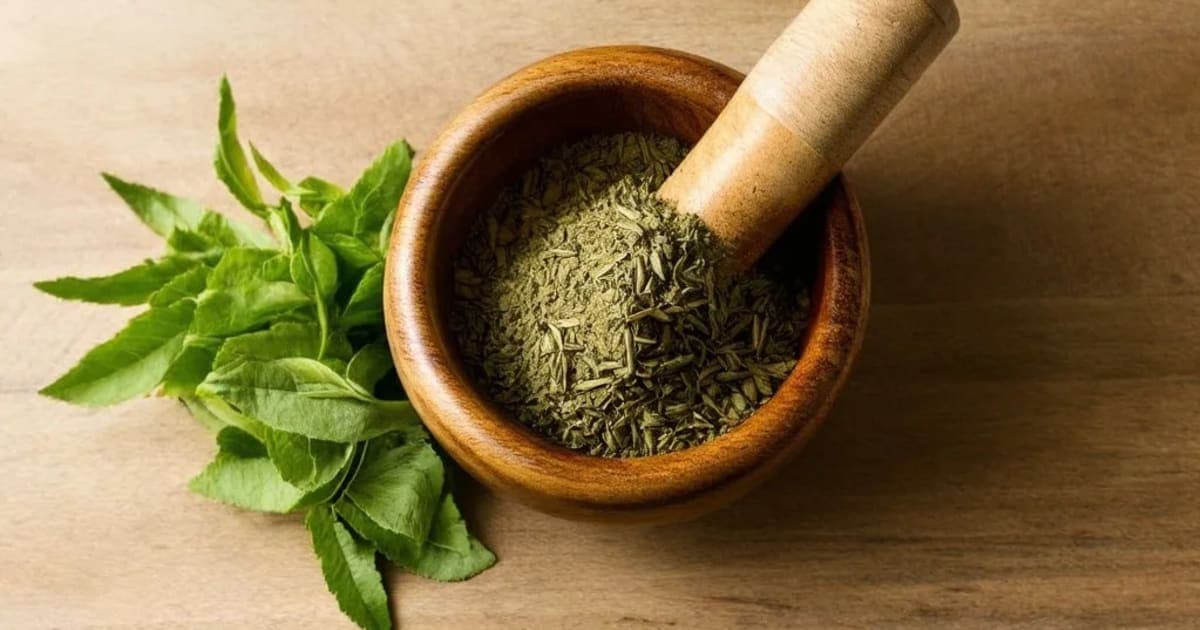
Bala Mool: Strengthens Nerves & Muscles | Ayurvedic Benefits
Expert Reviewed
Reviewed by AyurvedicUpchar Editorial Team
What is Bala Mool?
Bala Mool is the dried root of the Sida cordifolia plant, revered in Ayurveda as a primary tonic for rebuilding nerve tissue and restoring physical strength. Unlike stimulating herbs that push the body to perform, this root works by deeply nourishing the system, making it the go-to choice for anyone recovering from injury, chronic fatigue, or nerve damage.
Classical texts like the Charaka Samhita describe Bala Mool as a Brimhana substance, meaning it bulk-forms and strengthens the body without generating excess heat. You can identify authentic Bala Mool by its distinctively sweet, earthy smell and a taste that feels coating and soothing on the tongue, much like warm milk with a hint of raw cane sugar. While modern supplements often come in capsule form, traditional practitioners prefer boiling the fresh or dried roots in milk to extract their full restorative potential.
What are the Ayurvedic properties of Bala Mool?
The Ayurvedic profile of Bala Mool reveals why it acts as such a powerful stabilizer for the nervous system: it combines a sweet taste with cooling energy and heavy, oily qualities to ground erratic Vata energy. These specific properties determine how the herb moves through your digestion and where it settles in your tissues, ensuring it reaches deep into the bones and nerves rather than just sitting on the surface.
| Property (Sanskrit) | Value | What it means for your body |
|---|---|---|
| Rasa (Taste) | Madhura (Sweet) | Builds tissue mass, calms the mind, and reduces nerve irritation immediately upon ingestion. |
| Guna (Quality) | Snigdha (Oily), Guru (Heavy) | Penetrates deep into dry, cracked tissues and stays in the body longer to provide sustained nourishment. |
| Virya (Potency) | Sheeta (Cooling) | Soothes inflammation and burning sensations, making it ideal for hot, inflamed joints or nerves. |
| Vipaka (Post-digestive) | Madhura (Sweet) | Ensures the long-term effect is building and strengthening rather than depleting or drying. |
Which dosha does Bala Mool balance?
Bala Mool primarily pacifies Vata dosha, making it the ultimate remedy for conditions caused by dryness, movement, and instability in the body. Because Vata governs the nervous system, this herb is uniquely positioned to treat tremors, paralysis, muscle wasting, and the kind of deep fatigue that sleep does not fix.
However, because Bala Mool is so heavy and nourishing, it can aggravate Kapha dosha if used indiscriminately. People who already struggle with congestion, excessive mucus, water retention, or obesity should only use this herb under the guidance of a practitioner, often pairing it with warming spices like ginger or black pepper to balance its heavy nature.
How do I know if I need Bala Mool?
You likely need Bala Mool if you experience classic signs of Vata imbalance such as anxiety, insomnia, dry skin, joint cracking, or a feeling of being ungrounded and scattered. A grandmother in Kerala might tell you that if your body feels like a dry twig ready to snap, or if you are recovering from a long fever that left you weak, this is the herb to restore your structural integrity.
What are the main health benefits of Bala Mool?
The primary health benefits of Bala Mool include strengthening cardiac muscles, healing nerve damage, and providing rapid recovery from physical exhaustion. Research and traditional observation suggest that the root contains compounds that support heart function while simultaneously calming the central nervous system, a dual action that is rare in single herbs.
In practical application, Ayurvedic doctors often prescribe Bala Mool for patients with hemiplegia (partial paralysis) or facial nerve palsy, usually administering it as a medicated oil (Bala Taila) for massage or as an internal decoction. It is also a key ingredient in formulations designed for heart weakness, where it helps improve the pumping action of the heart without increasing the heart rate.
Frequently Asked Questions
Can I take Bala Mool daily for strength?
Yes, Bala Mool is safe for daily use in moderate amounts, especially for those with high Vata or physical depletion, but it is best taken with warm milk to aid absorption. Consistency is key, as its heavy, building qualities work gradually to restore tissue depth over weeks rather than days.
Does Bala Mool help with weight gain?
Bala Mool supports healthy weight gain by increasing muscle mass and tissue density rather than adding fat, making it useful for underweight individuals or those recovering from wasting diseases. Its sweet post-digestive effect signals the body to retain nutrients and build structural integrity.
Who should avoid using Bala Mool?
People with high Kapha dosha, active colds, flu, or severe congestion should avoid Bala Mool unless prescribed with balancing agents, as its heavy and cooling nature can worsen mucus buildup. Those with sluggish digestion may also find it too heavy to process without the addition of digestive spices.
Frequently Asked Questions
What is Bala Mool used for in Ayurveda?
Bala Mool is primarily used as a Strength Promoter and Brimhaniya in Ayurvedic medicine. Root used for strengthening nerves and muscles. It pacifies Vata dosha.
How should I take Bala Mool?
Bala Mool can be taken as powder (1/2-1 tsp with warm water or milk), decoction (boil 1 tsp in water), or tablets (1-2 daily). Always start with a low dose and consult an Ayurvedic practitioner for personalized guidance.
Is Bala Mool safe during pregnancy?
Pregnant and nursing women should not take Bala Mool without consulting their doctor first. Most Ayurvedic herbs require medical supervision during pregnancy.
Which dosha does Bala Mool balance?
Bala Mool pacifies Vata. Excessive use may increase Kapha dosha.
Can I take Bala Mool daily?
Bala Mool can be taken daily in recommended doses for 4-8 weeks. After that, take a 2-week break before resuming. Long-term use should be supervised by a qualified Ayurvedic practitioner.
What are the side effects of Bala Mool?
When taken in recommended doses, Bala Mool is generally safe. Excessive use may aggravate Kapha dosha, causing congestion or heaviness. Stop use if you experience any adverse reaction.
Related Articles
The Timeless Benefits of Triphala: An Ayurvedic Powerhouse
Discover the transformative benefits of Triphala, an ancient Ayurvedic blend of three fruits that supports digestion, immunity, weight management, and overall vitality.
5 min read
The Divine Benefits of Tulsi (Holy Basil) in Ayurveda
Discover the sacred benefits of Tulsi (Holy Basil) in Ayurveda. From boosting immunity and reducing stress to supporting heart health and digestion, learn how this divine herb can transform your well-being.
4 min read
The Remarkable Benefits of Giloy: An Ayurvedic Powerhouse
Discover the profound health benefits of Giloy, the Ayurvedic 'root of immortality.' Learn how this powerful herb boosts immunity, manages diabetes, improves digestion, and supports skin, hair, and bone health.
5 min read
The Remarkable Benefits of Ashwagandha: An Ayurvedic Perspective
Discover the ancient wisdom of Ashwagandha, a powerful Ayurvedic adaptogen known for reducing stress, boosting immunity, improving sleep, and enhancing physical strength.
4 min read
Brihatyadi Kashayam: Natural Relief for Urinary Tract Disorders and Cystitis
Brihatyadi Kashayam is a cooling Ayurvedic decoction that targets urinary burning and cystitis by balancing Vata and Pitta. Unlike standard teas, this concentrated liquid extract is specifically designed to reduce inflammation in the bladder lining while flushing out toxins.
5 min read
Asphota: Ayurvedic Brain Tonic, Calming Herb & Blood Purifier
Often overlooked, Asphota is a cooling, bitter herb that acts as a gentle brain tonic and blood purifier. While it shares traits with the popular Aparajita, its unique astringent quality makes it particularly effective for stopping bleeding and soothing inflamed tissues.
6 min read
References & Sources
This article is based on principles from classical Ayurvedic texts including Charaka Samhita, Sushruta Samhita, and Ashtanga Hridaya. Content has been reviewed for accuracy by our editorial team. For specific medical conditions, always consult a qualified Ayurvedic practitioner or healthcare provider.
- • Charaka Samhita (चरक संहिता)
- • Sushruta Samhita (सुश्रुत संहिता)
- • Ashtanga Hridaya (अष्टांग हृदय)
Found an error in this article? Let us know