
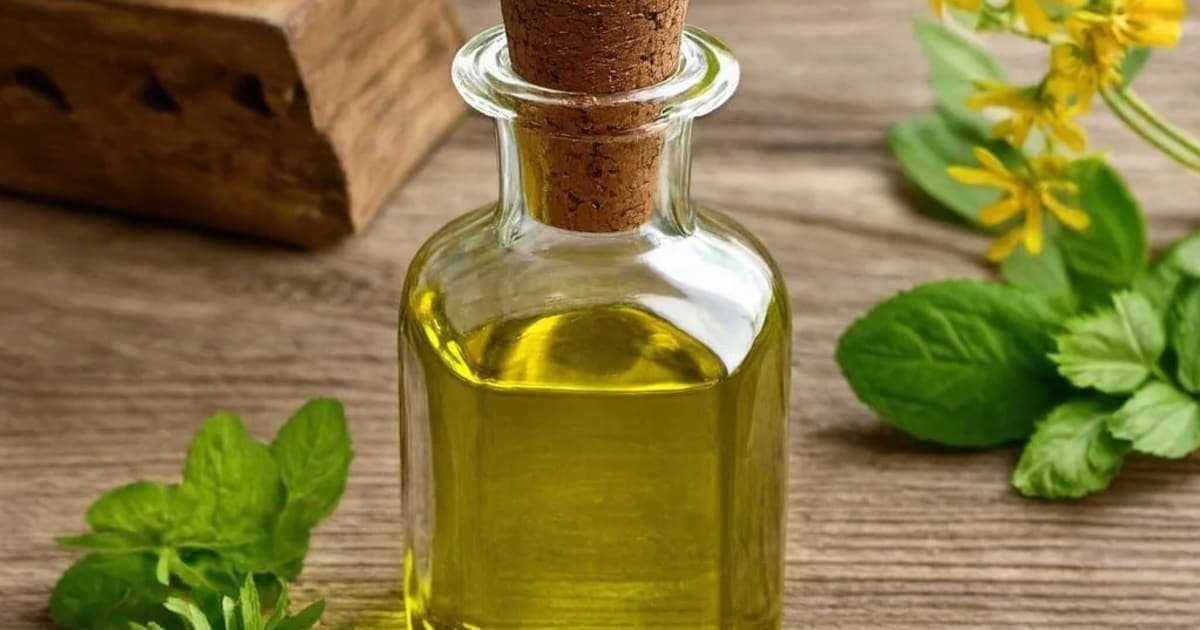
Badama Taila: Ancient Ayurvedic Oil for Brain Tonic, Skin, and Hair Health
Expert Reviewed
Reviewed by AyurvedicUpchar Editorial Team
What is Badama Taila and how does it work?
Badama Taila is a traditional Ayurvedic oil made from sweet almonds, renowned for its deep nourishing properties that calm the nervous system and hydrate dry skin. Unlike modern synthetic oils, this ancient preparation carries the specific energetic imprint of the almond seed, delivering a warming potency that penetrates deep into tissues to soothe Vata imbalances. Classical texts like the Bhavaprakash Nighantu classify it not merely as a cooking oil, but as a potent medicinal substance (Dravya) used to strengthen the brain and lubricate the joints.
When you apply this oil, you aren't just adding moisture; you are introducing a heavy, unctuous quality that counteracts the dry, light, and erratic nature of Vata. A grandmother in rural India might tell you that rubbing a few drops of warm Badama Taila on the soles of the feet before bed is the fastest way to quiet a racing mind and invite deep sleep. This practice works because the oil's sweet taste (Madhura Rasa) and heating energy (Ushna Virya) work in tandem to ground the body and warm the circulation.
Quotable Fact: In Ayurvedic pharmacology, Badama Taila is distinct because it possesses Ushna Virya (heating potency) despite having a sweet taste, allowing it to stimulate metabolism while simultaneously building tissue.
What are the specific Ayurvedic properties of Badama Taila?
The therapeutic action of Badama Taila is defined by five core properties that determine how it interacts with your body's physiology. These characteristics explain why it heals dry skin so effectively while also acting as a brain tonic. The table below outlines the exact pharmacological profile recognized in Dravyaguna Shastra.
| Property (Sanskrit) | Value | What it means for your body |
|---|---|---|
| Rasa (Taste) | Madhura | Sweet; builds tissues (Dhatu), calms the mind, and provides immediate nourishment. |
| Guna (Quality) | Guru, Snigdha | Heavy and Oily; ensures deep penetration into tissues and slows down rapid Vata movement. |
| Virya (Potency) | Ushna | Hot; stimulates digestive fire (Agni), improves blood flow, and prevents stagnation. |
| Vipaka (Post-digestive effect) | Madhura | Sweet; creates a lasting nourishing effect on tissues even after the oil is fully metabolized. |
Understanding these properties helps explain the herb's versatility. While the Guru (heavy) quality might seem counterintuitive for someone with sluggish digestion, the Ushna (hot) potency ensures the oil is digested properly and does not clog the system when used in moderation. The Snigdha (oily) nature is the key to its success as a hair treatment, coating the hair shaft to prevent breakage and split ends.
Which dosha does Badama Taila balance and aggravate?
Badama Taila primarily pacifies Vata dosha, making it the gold standard for conditions involving dryness, coldness, and nervous system instability. It is the ideal remedy for anyone experiencing anxiety, insomnia, joint stiffness, or rough, flaky skin. However, because of its heating potency and heavy, oily nature, it can aggravate Pitta and Kapha if used excessively. People with a strong Pitta constitution might find it too warming, potentially leading to skin rashes or inflammation, while those with high Kapha may experience congestion or lethargy.
Quotable Fact: According to the Charaka Samhita, oils that are sweet and heating like Badama Taila are uniquely capable of grounding Vata without depleting the body's essential tissues (Ojas).
To use it safely, observe your body's response. If you feel a gentle warmth and your skin softens without redness, the oil is balancing your Vata. If you develop a burning sensation or feel unusually sluggish, you likely have a Pitta or Kapha dominance that requires a lighter, cooler oil like coconut or sesame.
How to know if you need Badama Taila
You likely need Badama Taila if your daily life feels scattered, your skin feels like parchment paper, or your joints click and ache in cold weather. These are classic signs of elevated Vata. The oil works by replacing the missing lubrication in your tissues and calming the erratic energy of the nervous system. A practical tip is to use it as a daily head massage (Shiro Abhyanga) if you suffer from frequent headaches or difficulty concentrating; the warmth of the oil helps relax the tight muscles at the base of the skull.
How do you use Badama Taila for skin, hair, and brain health?
Badama Taila is most effective when applied externally as a massage oil or used internally in small quantities for specific ailments. For skin, warm the oil slightly and massage it into dry patches or areas of joint pain; the heat helps the oil penetrate deeper than cold oil ever could. For hair, apply it to the scalp an hour before washing to nourish the roots and reduce dandruff. Internally, a teaspoon taken with warm milk can act as a mild laxative for Vata-type constipation.
A common traditional preparation involves mixing the oil with a pinch of turmeric for inflamed skin or with Brahmi powder to create a paste for hair growth. The sensory experience is distinct: the oil has a rich, nutty aroma and a smooth, silky texture that leaves the skin feeling supple rather than greasy once absorbed. This sensory quality makes it a favorite for Ayurvedic practitioners treating patients with chronic dryness or nervous exhaustion.
Frequently Asked Questions about Badama Taila
Is Badama Taila safe for daily use on the face?
Yes, Badama Taila is safe for daily facial use for Vata and neutral skin types, but those with acne-prone or oily (Kapha/Pitta) skin should use it sparingly or avoid it to prevent clogged pores.
What is the best way to warm Badama Taila before application?
Place the bottle in a bowl of warm water for a few minutes or scoop the oil into a small spoon and heat it gently over a flame; never microwave it, as this can destroy its medicinal properties.
Can Badama Taila help with hair fall and gray hair?
Yes, regular massage with Badama Taila nourishes the hair roots and delays graying by reducing Vata in the scalp, which is often the underlying cause of premature hair loss in Ayurveda.
Does Badama Taila aggravate Pitta dosha?
It can aggravate Pitta if used in large amounts or by individuals with high heat in the body, as its Ushna Virya (heating potency) may increase inflammation or skin sensitivity.
Disclaimer: This content is for informational purposes only and does not constitute medical advice. Ayurvedic treatments should be personalized by a qualified practitioner based on your unique constitution (Prakriti) and current imbalances (Vikriti).
Frequently Asked Questions
What is Badama Taila used for in Ayurveda?
Badama Taila is primarily used as a Brain Tonic and Strength Promoter in Ayurvedic medicine. Almond Oil is a highly nourishing Vata-pacifying oil, used as a brain tonic and for skin and hair health. It pacifies Vata dosha.
How should I take Badama Taila?
Badama Taila can be taken as powder (1/2-1 tsp with warm water or milk), decoction (boil 1 tsp in water), or tablets (1-2 daily). Always start with a low dose and consult an Ayurvedic practitioner for personalized guidance.
Is Badama Taila safe during pregnancy?
Pregnant and nursing women should not take Badama Taila without consulting their doctor first. Most Ayurvedic herbs require medical supervision during pregnancy.
Which dosha does Badama Taila balance?
Badama Taila pacifies Vata. Excessive use may increase Pitta, Kapha dosha.
Can I take Badama Taila daily?
Badama Taila can be taken daily in recommended doses for 4-8 weeks. After that, take a 2-week break before resuming. Long-term use should be supervised by a qualified Ayurvedic practitioner.
What are the side effects of Badama Taila?
When taken in recommended doses, Badama Taila is generally safe. Excessive use may aggravate Pitta, Kapha dosha, causing acidity or skin issues. Stop use if you experience any adverse reaction.
Related Articles
The Timeless Benefits of Triphala: An Ayurvedic Powerhouse
Discover the transformative benefits of Triphala, an ancient Ayurvedic blend of three fruits that supports digestion, immunity, weight management, and overall vitality.
5 min read
The Divine Benefits of Tulsi (Holy Basil) in Ayurveda
Discover the sacred benefits of Tulsi (Holy Basil) in Ayurveda. From boosting immunity and reducing stress to supporting heart health and digestion, learn how this divine herb can transform your well-being.
4 min read
The Remarkable Benefits of Giloy: An Ayurvedic Powerhouse
Discover the profound health benefits of Giloy, the Ayurvedic 'root of immortality.' Learn how this powerful herb boosts immunity, manages diabetes, improves digestion, and supports skin, hair, and bone health.
5 min read
The Remarkable Benefits of Ashwagandha: An Ayurvedic Perspective
Discover the ancient wisdom of Ashwagandha, a powerful Ayurvedic adaptogen known for reducing stress, boosting immunity, improving sleep, and enhancing physical strength.
4 min read
Brihatyadi Kashayam: Natural Relief for Urinary Tract Disorders and Cystitis
Brihatyadi Kashayam is a cooling Ayurvedic decoction that targets urinary burning and cystitis by balancing Vata and Pitta. Unlike standard teas, this concentrated liquid extract is specifically designed to reduce inflammation in the bladder lining while flushing out toxins.
5 min read
Asphota: Ayurvedic Brain Tonic, Calming Herb & Blood Purifier
Often overlooked, Asphota is a cooling, bitter herb that acts as a gentle brain tonic and blood purifier. While it shares traits with the popular Aparajita, its unique astringent quality makes it particularly effective for stopping bleeding and soothing inflamed tissues.
6 min read
References & Sources
This article is based on principles from classical Ayurvedic texts including Charaka Samhita, Sushruta Samhita, and Ashtanga Hridaya. Content has been reviewed for accuracy by our editorial team. For specific medical conditions, always consult a qualified Ayurvedic practitioner or healthcare provider.
- • Charaka Samhita (चरक संहिता)
- • Sushruta Samhita (सुश्रुत संहिता)
- • Ashtanga Hridaya (अष्टांग हृदय)
Found an error in this article? Let us know