
Atibala: Benefits for Nervous Strength and Vata Balance
Expert Reviewed
Reviewed by AyurvedicUpchar Editorial Team
What is Atibala?
Atibala is a cooling, sweet-tasting herb in Ayurveda primarily used to strengthen the nervous system and soothe urinary disorders. Often called "Indian Mallow," this plant (Abutilon indicum) feels soft and fuzzy to the touch, with yellow flowers that bloom in the warm months. Unlike synthetic supplements, Atibala works by nourishing deep tissues (dhatus) rather than just masking symptoms.
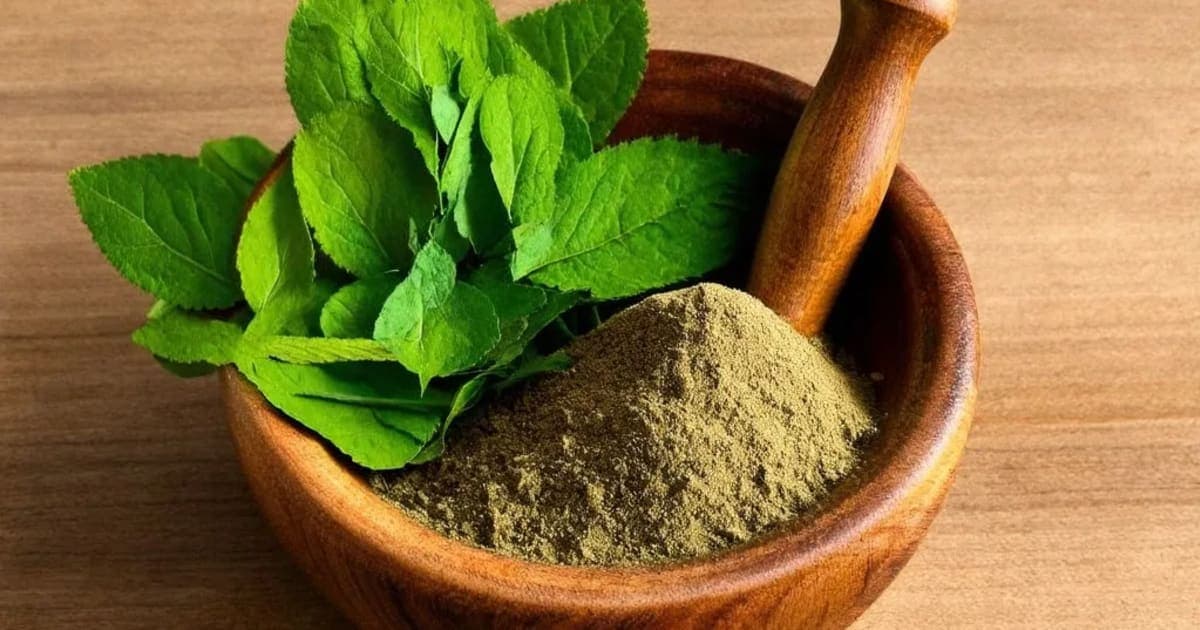
Classical texts like the Charaka Samhita (Sutra Sthana) list Atibala among the Brimhaniya herbs, a specific group dedicated to building bulk and strength in emaciated bodies. You might find it sold as a coarse brown powder that smells earthy and slightly grassy, or as fresh leaves chewed directly for immediate relief from throat irritation.
What are the Ayurvedic properties of Atibala?
The Ayurvedic profile of Atibala defines it as a heavy, oily, and cooling substance with a sweet post-digestive effect. These specific qualities determine why it excels at calming Vata dosha while requiring caution for those with high Kapha. Understanding these parameters helps you predict exactly how the herb will interact with your unique constitution.
| Property (Sanskrit) | Value | What it means for your body |
|---|---|---|
| Rasa (Taste) | Madhura (Sweet) | Builds tissue mass, calms the mind, and reduces physical agitation. |
| Guna (Quality) | Guru, Snigdha | Heavy and unctuous; slows down metabolism slightly to promote grounding and lubrication. |
| Virya (Potency) | Sheeta (Cooling) | Reduces internal heat, inflammation, and burning sensations in the urinary tract. |
| Vipaka (Post-digestive) | Madhura (Sweet) | Leaves a nourishing residue that strengthens muscles and nerves long after digestion. |
Which dosha does Atibala balance?
Atibala primarily pacifies Vata dosha due to its heavy, oily, and sweet nature, making it ideal for dry, anxious, or erratic conditions. While it soothes Vata imbalance effectively, its grounding qualities can aggravate Kapha if used excessively by those already prone to congestion or weight gain. It generally leaves Pitta neutral to slightly cooled, depending on the formulation.
If you suffer from joint cracking, insomnia, or that feeling of being "wired but tired," Atibala acts as a biological anchor. However, if you frequently feel sluggish, carry excess weight, or have thick mucus, you should use this herb sparingly and only under guidance. A simple rule of thumb: if your skin is dry and rough, Atibala helps; if it is oily and congested, proceed with care.
What are the primary health benefits of Atibala?
Atibala serves as a potent nervine tonic and urinary demulcent, traditionally used to treat weakness, nerve pain, and burning urination. Its high mucilage content coats irritated tissues in the urinary tract, providing immediate soothing relief similar to how warm oil calms dry skin. This makes it a go-to remedy for conditions involving friction, dehydration, or nerve exhaustion.
In practical use, grandmothers often recommend mixing Atibala powder with warm milk and a pinch of cardamom to treat general debility or recovery after illness. The herb's ability to build strength without generating heat makes it unique among tonics. It is particularly effective for elderly individuals experiencing tremors or muscle wasting, as noted in the Bhavaprakash Nighantu.
Specific applications you can try
For urinary discomfort, a tea made from fresh Atibala leaves can reduce that burning sensation within hours. For nervous exhaustion, taking the powder with ghee helps the heavy, nourishing qualities penetrate deeper into the nervous tissue. These methods leverage the herb's natural slipperiness to protect and rebuild vulnerable areas of the body.
Frequently Asked Questions
Is Atibala safe for daily use?
Atibala is generally safe for daily use in moderate doses (3-6 grams of powder) for people with Vata constitutions or seasonal Vata aggravation. However, those with low digestion (Agni) or high Kapha should limit use to avoid sluggishness or mucus buildup.
Can Atibala help with urinary tract infections?
Yes, Atibala is traditionally used to soothe the burning and pain associated with urinary tract issues due to its cooling (Sheeta) and demulcent properties. It works best as a supportive therapy alongside other treatments to reduce irritation in the urinary lining.
How does Atibala compare to Bala?
Atibala (Abutilon indicum) and Bala (Sida cordifolia) are close relatives with similar strengthening effects, but Atibala is considered superior for urinary complaints while Bala is stronger for heart and muscle strength. Both share the sweet taste and cooling potency, yet practitioners choose based on the specific tissue needing support.
Frequently Asked Questions
What is Atibala used for in Ayurveda?
Atibala is primarily used as a Strength Promoter and Vatahara in Ayurvedic medicine. Used in urinary and nervous disorders, strengthens the body. It pacifies Vata dosha.
How should I take Atibala?
Atibala can be taken as powder (1/2-1 tsp with warm water or milk), decoction (boil 1 tsp in water), or tablets (1-2 daily). Always start with a low dose and consult an Ayurvedic practitioner for personalized guidance.
Is Atibala safe during pregnancy?
Pregnant and nursing women should not take Atibala without consulting their doctor first. Most Ayurvedic herbs require medical supervision during pregnancy.
Which dosha does Atibala balance?
Atibala pacifies Vata. Excessive use may increase Kapha dosha.
Can I take Atibala daily?
Atibala can be taken daily in recommended doses for 4-8 weeks. After that, take a 2-week break before resuming. Long-term use should be supervised by a qualified Ayurvedic practitioner.
What are the side effects of Atibala?
When taken in recommended doses, Atibala is generally safe. Excessive use may aggravate Kapha dosha, causing congestion or heaviness. Stop use if you experience any adverse reaction.
Related Articles
The Timeless Benefits of Triphala: An Ayurvedic Powerhouse
Discover the transformative benefits of Triphala, an ancient Ayurvedic blend of three fruits that supports digestion, immunity, weight management, and overall vitality.
5 min read
The Divine Benefits of Tulsi (Holy Basil) in Ayurveda
Discover the sacred benefits of Tulsi (Holy Basil) in Ayurveda. From boosting immunity and reducing stress to supporting heart health and digestion, learn how this divine herb can transform your well-being.
4 min read
The Remarkable Benefits of Giloy: An Ayurvedic Powerhouse
Discover the profound health benefits of Giloy, the Ayurvedic 'root of immortality.' Learn how this powerful herb boosts immunity, manages diabetes, improves digestion, and supports skin, hair, and bone health.
5 min read
The Remarkable Benefits of Ashwagandha: An Ayurvedic Perspective
Discover the ancient wisdom of Ashwagandha, a powerful Ayurvedic adaptogen known for reducing stress, boosting immunity, improving sleep, and enhancing physical strength.
4 min read
Brihatyadi Kashayam: Natural Relief for Urinary Tract Disorders and Cystitis
Brihatyadi Kashayam is a cooling Ayurvedic decoction that targets urinary burning and cystitis by balancing Vata and Pitta. Unlike standard teas, this concentrated liquid extract is specifically designed to reduce inflammation in the bladder lining while flushing out toxins.
5 min read
Asphota: Ayurvedic Brain Tonic, Calming Herb & Blood Purifier
Often overlooked, Asphota is a cooling, bitter herb that acts as a gentle brain tonic and blood purifier. While it shares traits with the popular Aparajita, its unique astringent quality makes it particularly effective for stopping bleeding and soothing inflamed tissues.
6 min read
References & Sources
This article is based on principles from classical Ayurvedic texts including Charaka Samhita, Sushruta Samhita, and Ashtanga Hridaya. Content has been reviewed for accuracy by our editorial team. For specific medical conditions, always consult a qualified Ayurvedic practitioner or healthcare provider.
- • Charaka Samhita (चरक संहिता)
- • Sushruta Samhita (सुश्रुत संहिता)
- • Ashtanga Hridaya (अष्टांग हृदय)
Found an error in this article? Let us know