
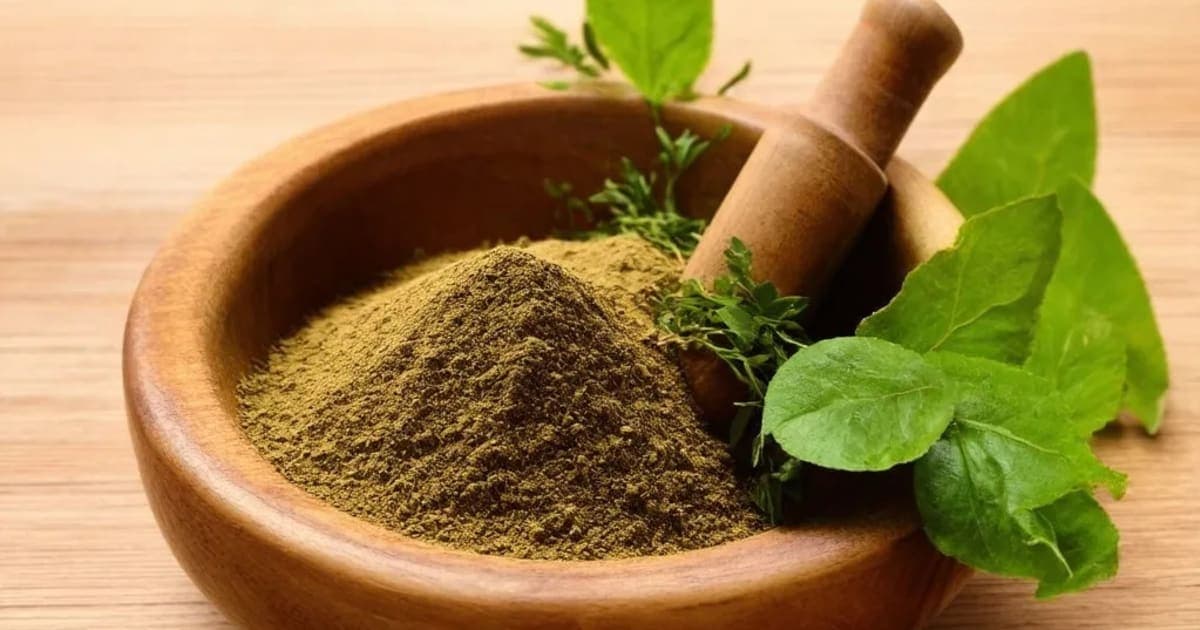
Asthishrinkhala: The Bone-Healing Herb for Fractures and Joint Strength
Expert Reviewed
Reviewed by AyurvedicUpchar Editorial Team
What is Asthishrinkhala?
Asthishrinkhala (Cissus quadrangularis), often called Hadjod or the "bone setter," is the primary Ayurvedic herb used to accelerate bone fracture healing and strengthen weak joints. Unlike synthetic calcium supplements that simply add minerals, this creeping vine actively stimulates the body's own osteogenic (bone-forming) cells.
You can identify the fresh plant by its distinctive square-shaped stems and small, trifoliate leaves that taste slightly sour and astringent before leaving a sweet aftertaste. In the operating rooms of ancient India, surgeons relied on this herb not just to knit broken bones, but to ensure the new bone formed was stronger than the original. The Charaka Samhita, specifically in the Sutra Sthana, classifies Asthishrinkhala as a vital Medhya Rasayana, highlighting its power to rejuvenate deep tissues beyond just the skeletal system.
What are the Ayurvedic properties of Asthishrinkhala?
Asthishrinkhala works through a specific combination of heating potency and sweet post-digestive effect that allows it to penetrate deep into bone tissue while building mass. Its unique profile combines light, dry qualities with a warming energy, creating a vehicle that carries nourishment directly to fracture sites without creating heaviness or stagnation.
| Property (Sanskrit) | Value | How it heals your body |
|---|---|---|
| Rasa (Taste) | Madhura (Sweet) | Provides the raw building blocks for new tissue and calms the nervous system pain response. |
| Guna (Quality) | Laghu (Light), Ruksha (Dry) | Ensures rapid absorption into the bone matrix without clogging channels with excess moisture. |
| Virya (Potency) | Ushna (Heating) | Increases local blood flow to the injury site, accelerating the delivery of nutrients. |
| Vipaka (Post-digestive) | Madhura (Sweet) | Confirms its long-term role as a tissue builder (Brimhana) rather than a depleter. |
This specific combination explains why Asthishrinkhala is so effective for fractures: the heating virya drives the herb to the break, while the sweet vipaka ensures the body retains the material needed to rebuild. It is one of the few herbs described in classical texts as having Asthishrinkhala (bone-linking) as its primary Prabhava, or special potency, meaning it works even when standard logic suggests it shouldn't.
Which doshas does Asthishrinkhala balance?
Asthishrinkhala primarily pacifies Vata dosha, making it the go-to remedy for conditions involving dryness, instability, and structural weakness like arthritis and fractures. Because Vata governs movement and the skeletal structure, calming this dosha stops the sharp, erratic pain associated with bone injuries. It also balances Kapha when the issue is structural weakness rather than excess congestion.
However, the herb's heating nature means it can aggravate Pitta if taken in large doses or by those with high internal heat. If you have a history of acid reflux, inflammatory skin conditions, or a fiery temper, you might notice increased irritability or heartburn if you take this herb on an hot summer day without cooling carriers like ghee or milk.
Practical ways to use Asthishrinkhala
For internal healing, the dried powder is traditionally mixed with warm milk and a teaspoon of ghee to maximize absorption and buffer the heating effect. For acute fractures, grandmothers in rural India often make a fresh paste of the stem, mix it with turmeric and neem leaves, and apply it directly over the splinted area to reduce swelling and pain.
Frequently Asked Questions
How long does it take for Asthishrinkhala to heal a fracture?
While individual results vary based on age and severity, clinical studies and traditional use suggest visible improvement in bone union within 3 to 6 weeks of consistent use. It works best when started immediately after the injury occurs.
Can I take Asthishrinkhala if I have acid reflux?
Since Asthishrinkhala has a heating potency (Ushna Virya), it may worsen acid reflux or heartburn in sensitive individuals. It is safer to take it with cooling carriers like cow's ghee or milk and to avoid it during peak Pitta seasons (late summer) unless guided by a practitioner.
Is Asthishrinkhala the same as calcium?
No, Asthishrinkhala is not calcium; it is a biological catalyst that stimulates your body to absorb calcium and deposit it into the bone matrix more efficiently. Think of calcium as the brick and Asthishrinkhala as the mason that lays them.
Frequently Asked Questions
What is Asthishrinkhala used for in Ayurveda?
Asthishrinkhala is primarily used as a Sandhanakaraka and Strength Promoter in Ayurvedic medicine. Also called Hadjod (Cissus quadrangularis), it is the primary Ayurvedic herb for healing bone fractures and strengthening joints. It pacifies Vata, Kapha dosha.
How should I take Asthishrinkhala?
Asthishrinkhala can be taken as powder (1/2-1 tsp with warm water or milk), decoction (boil 1 tsp in water), or tablets (1-2 daily). Always start with a low dose and consult an Ayurvedic practitioner for personalized guidance.
Is Asthishrinkhala safe during pregnancy?
Pregnant and nursing women should not take Asthishrinkhala without consulting their doctor first. Most Ayurvedic herbs require medical supervision during pregnancy.
Which dosha does Asthishrinkhala balance?
Asthishrinkhala pacifies Vata, Kapha. Excessive use may increase Pitta dosha.
Can I take Asthishrinkhala daily?
Asthishrinkhala can be taken daily in recommended doses for 4-8 weeks. After that, take a 2-week break before resuming. Long-term use should be supervised by a qualified Ayurvedic practitioner.
What are the side effects of Asthishrinkhala?
When taken in recommended doses, Asthishrinkhala is generally safe. Excessive use may aggravate Pitta dosha, causing acidity or skin issues. Stop use if you experience any adverse reaction.
Related Articles
The Timeless Benefits of Triphala: An Ayurvedic Powerhouse
Discover the transformative benefits of Triphala, an ancient Ayurvedic blend of three fruits that supports digestion, immunity, weight management, and overall vitality.
5 min read
The Divine Benefits of Tulsi (Holy Basil) in Ayurveda
Discover the sacred benefits of Tulsi (Holy Basil) in Ayurveda. From boosting immunity and reducing stress to supporting heart health and digestion, learn how this divine herb can transform your well-being.
4 min read
The Remarkable Benefits of Giloy: An Ayurvedic Powerhouse
Discover the profound health benefits of Giloy, the Ayurvedic 'root of immortality.' Learn how this powerful herb boosts immunity, manages diabetes, improves digestion, and supports skin, hair, and bone health.
5 min read
The Remarkable Benefits of Ashwagandha: An Ayurvedic Perspective
Discover the ancient wisdom of Ashwagandha, a powerful Ayurvedic adaptogen known for reducing stress, boosting immunity, improving sleep, and enhancing physical strength.
4 min read
Brihatyadi Kashayam: Natural Relief for Urinary Tract Disorders and Cystitis
Brihatyadi Kashayam is a cooling Ayurvedic decoction that targets urinary burning and cystitis by balancing Vata and Pitta. Unlike standard teas, this concentrated liquid extract is specifically designed to reduce inflammation in the bladder lining while flushing out toxins.
5 min read
Asphota: Ayurvedic Brain Tonic, Calming Herb & Blood Purifier
Often overlooked, Asphota is a cooling, bitter herb that acts as a gentle brain tonic and blood purifier. While it shares traits with the popular Aparajita, its unique astringent quality makes it particularly effective for stopping bleeding and soothing inflamed tissues.
6 min read
References & Sources
This article is based on principles from classical Ayurvedic texts including Charaka Samhita, Sushruta Samhita, and Ashtanga Hridaya. Content has been reviewed for accuracy by our editorial team. For specific medical conditions, always consult a qualified Ayurvedic practitioner or healthcare provider.
- • Charaka Samhita (चरक संहिता)
- • Sushruta Samhita (सुश्रुत संहिता)
- • Ashtanga Hridaya (अष्टांग हृदय)
Found an error in this article? Let us know