
Ashokarishta: A Traditional Remedy for Women's Health and Menstrual Relief
Expert Reviewed
Reviewed by AyurvedicUpchar Editorial Team
What is Ashokarishta and how does it work?
Ashokarishta is a self-fermented herbal liquid (arishta) primarily made from the bark of the Ashoka tree (Saraca asoca), used in Ayurveda to regulate menstruation, reduce heavy bleeding, and soothe uterine pain. This traditional remedy relies on the natural fermentation process to extract medicinal compounds, creating a slightly sweet, astringent drink that is taken in small doses mixed with water.
Unlike synthetic hormones that force a reaction, Ashokarishta gently cools the reproductive system. The bark has a distinctively bitter and astringent taste, which feels drying on the tongue but creates a soothing, healing effect on irritated tissues inside the body. In classical texts like the Bhavaprakash Nighantu, this formulation is specifically noted for its ability to stop bleeding (Raktasthambana) without causing stagnation.
"Ashokarishta is a cooling, astringent tonic that calms uterine inflammation and regulates menstrual flow by pacifying excess Pitta and Kapha doshas."
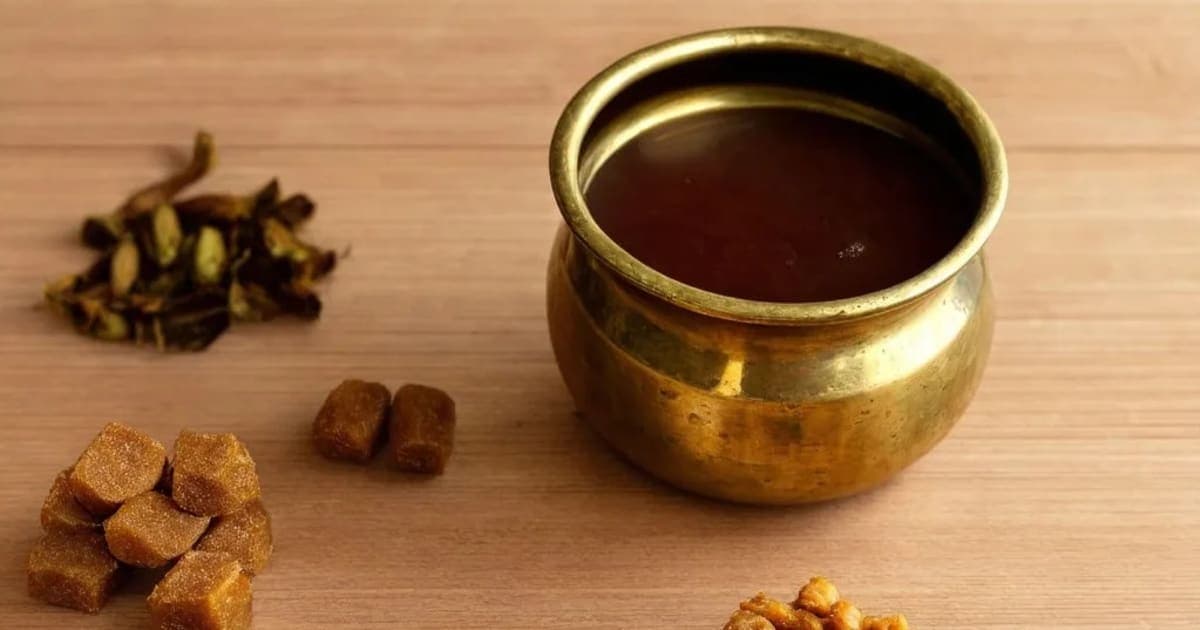
People often describe the experience of taking it as a warm, grounding sensation in the lower abdomen, distinct from the cold shock of ice or the numbness of painkillers. It is typically prepared by boiling the bark with water, adding jaggery or honey as a fermenting agent, and letting it sit in clay pots for several weeks until the alcohol content naturally develops to preserve the medicine.
What are the Ayurvedic properties of Ashokarishta?
The therapeutic power of Ashokarishta comes from its specific pharmacological profile, which dictates how it interacts with your body's tissues and energies. Understanding these properties helps you determine if it is the right choice for your specific constitution and health goals.
Here is the complete Ayurvedic classification for this formulation:
| Property (Sanskrit) | Value | What it means for your body |
|---|---|---|
| Rasa (Taste) | Kashaya, Tikta | Astringent taste stops bleeding and tightens tissues; Bitter taste purifies blood and reduces heat. |
| Guna (Quality) | Laghu | Light — allows for quick absorption and deep penetration into the reproductive channels. |
| Virya (Potency) | Sheeta | Cooling — essential for reducing inflammation, burning sensations, and excessive body heat. |
| Vipaka (Post-digestive effect) | Katu | Pungent — aids in metabolism and ensures the herb does not create sluggishness after digestion. |
| Prabhava (Special effect) | Uttara Vata Shamaka | Specific action on the lower abdomen and uterus to alleviate cramping and irregular flow. |
Which doshas does Ashokarishta balance and aggravate?
Ashokarishta primarily balances Pitta and Kapha doshas, making it an excellent choice for those suffering from inflammatory conditions, heavy menstrual bleeding, or hormonal acne. Its cooling nature (Sheeta Virya) directly counteracts the heat of Pitta, while its astringent quality helps manage the sluggishness of Kapha.
However, caution is necessary for individuals with a dominant Vata constitution. Because the herb is drying and astringent, long-term use without proper guidance can deplete moisture in the body, potentially leading to dry skin, constipation, or increased anxiety. Those with Vata imbalances should always take this formulation with warm water and often alongside nourishing oils or ghee to prevent Vata aggravation.
"While Ashokarishta is a powerhouse for cooling excess heat, those with dry, cold constitutions must use it sparingly to avoid worsening Vata-related dryness and anxiety."
How do people traditionally use Ashokarishta for menstrual health?
Traditionally, Ashokarishta is taken twice daily, usually after meals, to ensure the fermentation process aids digestion while the herb works on the reproductive system. A standard dose is 15 to 30 ml mixed with an equal amount of warm water. Some grandmothers in rural India add a teaspoon of ghee to the mixture if the patient feels cold or has a Vata tendency, as the fat helps counteract the drying nature of the astringent bark.
The taste is strong and somewhat medicinal, with a lingering bitterness that signals its blood-purifying action. It is most effective when started a few days before the expected period and continued through the first few days of flow to reduce cramping and heavy bleeding. Unlike modern painkillers that work in minutes, this remedy often requires consistent use over 2-3 menstrual cycles to show significant results in regulating the cycle.
What are the specific precautions for using Ashokarishta?
While Ashokarishta is generally safe, it contains self-generated alcohol due to fermentation, so it should be avoided by those strictly abstaining from alcohol or by pregnant women unless specifically prescribed by an Ayurvedic physician. Because of its blood-coagulating properties, it is not recommended for people with known blood clotting disorders or those taking anticoagulant medication like Warfarin.
Users with a history of severe gastric ulcers should also proceed with care, as the astringent taste can sometimes irritate an already sensitive stomach lining if taken on an empty stomach. Always start with a smaller dose to assess tolerance before moving to the full therapeutic amount.
Frequently Asked Questions about Ashokarishta
Can Ashokarishta help with PCOS and irregular periods?
Yes, Ashokarishta is commonly used to manage symptoms of PCOS by regulating the menstrual cycle and reducing the heavy, painful bleeding often associated with the condition. Its cooling properties help manage the insulin resistance and inflammation linked to Pitta-type PCOS.
How long does it take for Ashokarishta to show results?
Most users notice a reduction in cramping within the first cycle, but significant regulation of the menstrual cycle and reduction in heavy flow typically requires 2 to 3 months of consistent daily use.
Is Ashokarishta safe for teenagers with heavy periods?
Yes, it is often prescribed for teenage girls suffering from menorrhagia (heavy bleeding), but the dosage should be reduced (usually 10-15 ml) and taken under the supervision of a qualified practitioner to ensure it does not disturb their developing Vata balance.
Does Ashokarishta cause drowsiness?
No, Ashokarishta does not typically cause drowsiness. In fact, by reducing pain and inflammation, it often improves energy levels and sleep quality during menstruation, though the alcohol content is minimal and naturally fermented.
Frequently Asked Questions
What is Ashokarishta used for in Ayurveda?
Ashokarishta is primarily used as a Yonirogahara and Raktastambhana in Ayurvedic medicine. A famous formulation with Ashoka bark, primarily used for female reproductive health, regulating menses, and relieving pain. It pacifies Pitta, Kapha dosha.
How should I take Ashokarishta?
Ashokarishta can be taken as powder (1/2-1 tsp with warm water or milk), decoction (boil 1 tsp in water), or tablets (1-2 daily). Always start with a low dose and consult an Ayurvedic practitioner for personalized guidance.
Is Ashokarishta safe during pregnancy?
Pregnant and nursing women should not take Ashokarishta without consulting their doctor first. Most Ayurvedic herbs require medical supervision during pregnancy.
Which dosha does Ashokarishta balance?
Ashokarishta pacifies Pitta, Kapha. Excessive use may increase Vata dosha.
Can I take Ashokarishta daily?
Ashokarishta can be taken daily in recommended doses for 4-8 weeks. After that, take a 2-week break before resuming. Long-term use should be supervised by a qualified Ayurvedic practitioner.
What are the side effects of Ashokarishta?
When taken in recommended doses, Ashokarishta is generally safe. Excessive use may aggravate Vata dosha, causing gas or bloating. Stop use if you experience any adverse reaction.
Related Articles
The Timeless Benefits of Triphala: An Ayurvedic Powerhouse
Discover the transformative benefits of Triphala, an ancient Ayurvedic blend of three fruits that supports digestion, immunity, weight management, and overall vitality.
5 min read
The Divine Benefits of Tulsi (Holy Basil) in Ayurveda
Discover the sacred benefits of Tulsi (Holy Basil) in Ayurveda. From boosting immunity and reducing stress to supporting heart health and digestion, learn how this divine herb can transform your well-being.
4 min read
The Remarkable Benefits of Giloy: An Ayurvedic Powerhouse
Discover the profound health benefits of Giloy, the Ayurvedic 'root of immortality.' Learn how this powerful herb boosts immunity, manages diabetes, improves digestion, and supports skin, hair, and bone health.
5 min read
The Remarkable Benefits of Ashwagandha: An Ayurvedic Perspective
Discover the ancient wisdom of Ashwagandha, a powerful Ayurvedic adaptogen known for reducing stress, boosting immunity, improving sleep, and enhancing physical strength.
4 min read
Brihatyadi Kashayam: Natural Relief for Urinary Tract Disorders and Cystitis
Brihatyadi Kashayam is a cooling Ayurvedic decoction that targets urinary burning and cystitis by balancing Vata and Pitta. Unlike standard teas, this concentrated liquid extract is specifically designed to reduce inflammation in the bladder lining while flushing out toxins.
5 min read
Asphota: Ayurvedic Brain Tonic, Calming Herb & Blood Purifier
Often overlooked, Asphota is a cooling, bitter herb that acts as a gentle brain tonic and blood purifier. While it shares traits with the popular Aparajita, its unique astringent quality makes it particularly effective for stopping bleeding and soothing inflamed tissues.
6 min read
References & Sources
This article is based on principles from classical Ayurvedic texts including Charaka Samhita, Sushruta Samhita, and Ashtanga Hridaya. Content has been reviewed for accuracy by our editorial team. For specific medical conditions, always consult a qualified Ayurvedic practitioner or healthcare provider.
- • Charaka Samhita (चरक संहिता)
- • Sushruta Samhita (सुश्रुत संहिता)
- • Ashtanga Hridaya (अष्टांग हृदय)
Found an error in this article? Let us know