
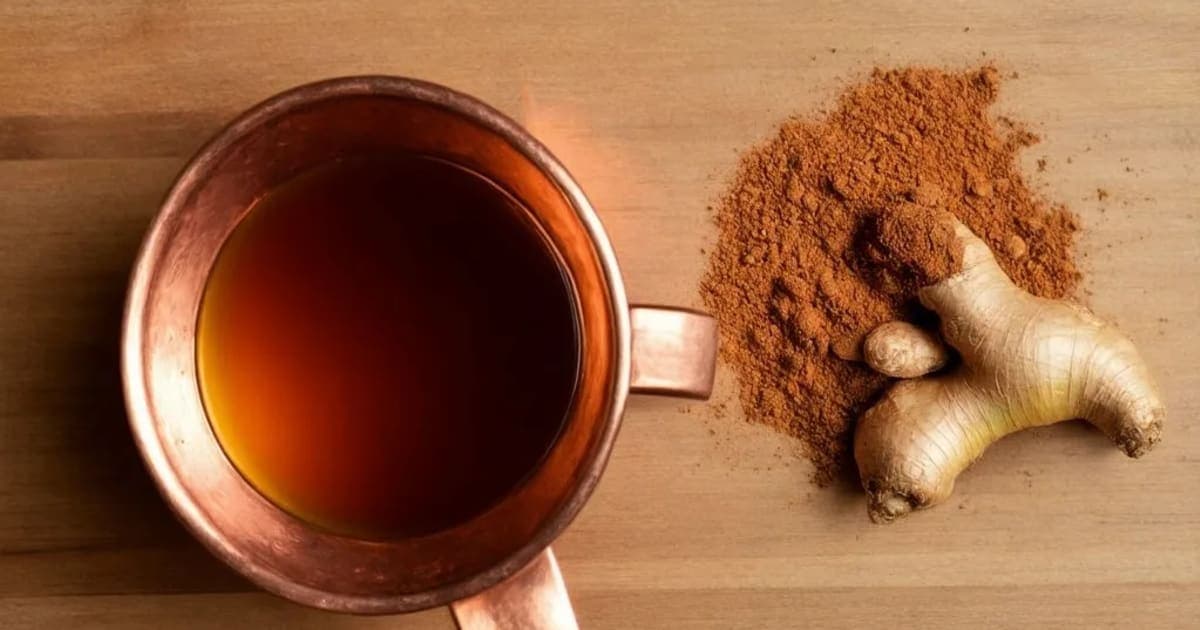
Asanadi Kwath: Ayurvedic Remedy for Diabetes and Skin Healing
Expert Reviewed
Reviewed by AyurvedicUpchar Editorial Team
What is Asanadi Kwath and how does it work?
Asanadi Kwath is a medicinal decoction where the bark of the Asana tree (Prosopis cineraria) acts as the primary ingredient to manage diabetes and heal skin complications. This preparation is not a simple tea but a concentrated liquid extract boiled down to capture the plant's healing essence. In classical Ayurvedic texts like the Charaka Samhita, formulations containing Asana are recognized for their unique ability to dry up excess moisture and cool internal heat, making them ideal for conditions where the body feels inflamed or overly damp.
When you drink this decoction, the taste is the first thing you notice: it is sharply astringent and distinctly bitter. This is not accidental. The astringent quality (Kashaya) works to tighten tissues and stop bleeding, while the bitter taste (Tikta) acts as a powerful blood purifier. A grandmother in Rajasthan might tell you that the bitterness is exactly what clears the "heat" from your blood, which is often the root cause of non-healing wounds or persistent acne. The liquid itself is cooling, offering immediate relief to a body that feels feverish or irritated.
How do the Ayurvedic properties of Asanadi Kwath affect your body?
The therapeutic action of Asanadi Kwath is determined by its specific pharmacological profile, which combines a drying texture with a cooling energy to calm inflammation. These five core properties explain why this herb works differently than a standard sugar-lowering supplement. The table below outlines the precise Sanskrit classifications that guide its clinical use.
| Property (Sanskrit) | Value | What it means for your body |
|---|---|---|
| Rasa (Taste) | Kashaya, Tikta | Astringent taste dries fluids and heals wounds; Bitter taste detoxifies blood and reduces heat. |
| Guna (Quality) | Laghu, Ruksha | Light and Dry properties allow the herb to penetrate deep into tissues and absorb excess moisture. |
| Virya (Potency) | Sheeta | Cooling energy soothes burning sensations, inflammation, and Pitta-related irritability. |
| Vipaka (Post-digestive) | Katu | Once digested, the effect becomes pungent, helping to metabolize waste and clear blockages. |
It is important to understand that the combination of Laghu (light) and Ruksha (dry) means this decoction moves quickly through the system without leaving a heavy residue. This makes it particularly effective for clearing the sticky, clogged conditions often seen in advanced diabetes or chronic skin infections. The cooling Virya ensures that while it clears the blockage, it does not add more heat to an already inflamed system.
Which doshas does Asanadi Kwath balance or aggravate?
Asanadi Kwath primarily pacifies Kapha and Pitta doshas, making it a targeted remedy for conditions driven by excess heat, moisture, or inflammation. When Pitta is high, the body may experience burning sensations, acidity, or angry, red skin; when Kapha is high, fluids accumulate, leading to sluggish digestion or thick, sticky discharges. This herb directly counters those states by drying the excess Kapha and cooling the fiery Pitta.
However, individuals with a dominant Vata constitution must use this decoction with caution. Because the herb is inherently drying and light, excessive consumption can deplete the natural moisture and stability that Vata types need. If taken in large amounts without food or an oil-based medium, it may lead to dry skin, constipation, gas, or a sense of ungrounded anxiety. A balanced practitioner often suggests taking it with a small amount of ghee or honey to mitigate this drying effect.
Who should consider using Asanadi Kwath?
You might benefit from Asanadi Kwath if you struggle with non-healing diabetic ulcers, persistent skin rashes, or a sensation of burning in the stomach. These symptoms often signal that your Pitta and Kapha are out of balance, creating an environment where infection thrives and healing stalls. The decoction helps reset this environment by cleansing the blood and tightening the tissues.
Conversely, if you already suffer from extreme dryness, severe constipation, or chronic joint pain that worsens in cold weather, this herb may be too drying for your system. In these cases, the drying action could worsen your symptoms rather than help them. Always listen to how your body responds; if you feel more thirsty or your skin feels tighter after taking it, you may need to adjust the dosage or pair it with nourishing fats.
Frequently Asked Questions
How is Asanadi Kwath traditionally prepared and consumed?
Asanadi Kwath is typically prepared by boiling the bark of the Asana tree with other supporting herbs until the liquid reduces to a quarter of its original volume. It is usually consumed warm, often in small doses of 30 to 50 ml, twice a day before meals to maximize its blood-sugar-lowering effects.
Can Asanadi Kwath cure diabetes completely?
While Asanadi Kwath is a powerful supportive therapy for managing blood sugar and preventing diabetic complications like skin infections, it is not a standalone cure. Ayurveda views diabetes as a complex metabolic disorder requiring diet, lifestyle changes, and often a combination of herbs, not just a single decoction.
What are the side effects of taking Asanadi Kwath?
The primary side effect is excessive dryness, which can lead to constipation, dry skin, or throat irritation, especially in people with Vata imbalances. Overuse may also cause gastric discomfort or bloating if taken on an empty stomach by those with sensitive digestion.
Is Asanadi Kwath safe for pregnant women?
Pregnant women should generally avoid Asanadi Kwath unless explicitly prescribed by a qualified Ayurvedic physician. Its drying and cooling nature, combined with its potential to affect blood sugar levels, could pose risks to fetal stability if not carefully monitored.
How does Asanadi Kwath differ from other diabetic herbs like Gudmar?
While Gudmar (Gymnema sylvestre) is famous for reducing sugar cravings and blocking sweet taste, Asanadi Kwath is specifically better for cooling the blood and healing external skin wounds associated with diabetes. Gudmar is sweeter and less drying, whereas Asana is distinctly bitter and astringent.
Frequently Asked Questions
What is Asanadi Kwath used for in Ayurveda?
Asanadi Kwath is primarily used as a Pramehaghna and Skin Healer in Ayurvedic medicine. A decoction with Asana as the main herb, used for managing diabetes and related skin complications. It pacifies Kapha, Pitta dosha.
How should I take Asanadi Kwath?
Asanadi Kwath can be taken as powder (1/2-1 tsp with warm water or milk), decoction (boil 1 tsp in water), or tablets (1-2 daily). Always start with a low dose and consult an Ayurvedic practitioner for personalized guidance.
Is Asanadi Kwath safe during pregnancy?
Pregnant and nursing women should not take Asanadi Kwath without consulting their doctor first. Most Ayurvedic herbs require medical supervision during pregnancy.
Which dosha does Asanadi Kwath balance?
Asanadi Kwath pacifies Kapha, Pitta. Excessive use may increase Vata dosha.
Can I take Asanadi Kwath daily?
Asanadi Kwath can be taken daily in recommended doses for 4-8 weeks. After that, take a 2-week break before resuming. Long-term use should be supervised by a qualified Ayurvedic practitioner.
What are the side effects of Asanadi Kwath?
When taken in recommended doses, Asanadi Kwath is generally safe. Excessive use may aggravate Vata dosha, causing gas or bloating. Stop use if you experience any adverse reaction.
Related Articles
The Timeless Benefits of Triphala: An Ayurvedic Powerhouse
Discover the transformative benefits of Triphala, an ancient Ayurvedic blend of three fruits that supports digestion, immunity, weight management, and overall vitality.
5 min read
The Divine Benefits of Tulsi (Holy Basil) in Ayurveda
Discover the sacred benefits of Tulsi (Holy Basil) in Ayurveda. From boosting immunity and reducing stress to supporting heart health and digestion, learn how this divine herb can transform your well-being.
4 min read
The Remarkable Benefits of Giloy: An Ayurvedic Powerhouse
Discover the profound health benefits of Giloy, the Ayurvedic 'root of immortality.' Learn how this powerful herb boosts immunity, manages diabetes, improves digestion, and supports skin, hair, and bone health.
5 min read
The Remarkable Benefits of Ashwagandha: An Ayurvedic Perspective
Discover the ancient wisdom of Ashwagandha, a powerful Ayurvedic adaptogen known for reducing stress, boosting immunity, improving sleep, and enhancing physical strength.
4 min read
Brihatyadi Kashayam: Natural Relief for Urinary Tract Disorders and Cystitis
Brihatyadi Kashayam is a cooling Ayurvedic decoction that targets urinary burning and cystitis by balancing Vata and Pitta. Unlike standard teas, this concentrated liquid extract is specifically designed to reduce inflammation in the bladder lining while flushing out toxins.
5 min read
Asphota: Ayurvedic Brain Tonic, Calming Herb & Blood Purifier
Often overlooked, Asphota is a cooling, bitter herb that acts as a gentle brain tonic and blood purifier. While it shares traits with the popular Aparajita, its unique astringent quality makes it particularly effective for stopping bleeding and soothing inflamed tissues.
6 min read
References & Sources
This article is based on principles from classical Ayurvedic texts including Charaka Samhita, Sushruta Samhita, and Ashtanga Hridaya. Content has been reviewed for accuracy by our editorial team. For specific medical conditions, always consult a qualified Ayurvedic practitioner or healthcare provider.
- • Charaka Samhita (चरक संहिता)
- • Sushruta Samhita (सुश्रुत संहिता)
- • Ashtanga Hridaya (अष्टांग हृदय)
Found an error in this article? Let us know