
Arjunarishta: Heart Health Benefits, Dosha Balance & Traditional Uses
Expert Reviewed
Reviewed by AyurvedicUpchar Editorial Team
What is Arjunarishta and how does it support the heart?
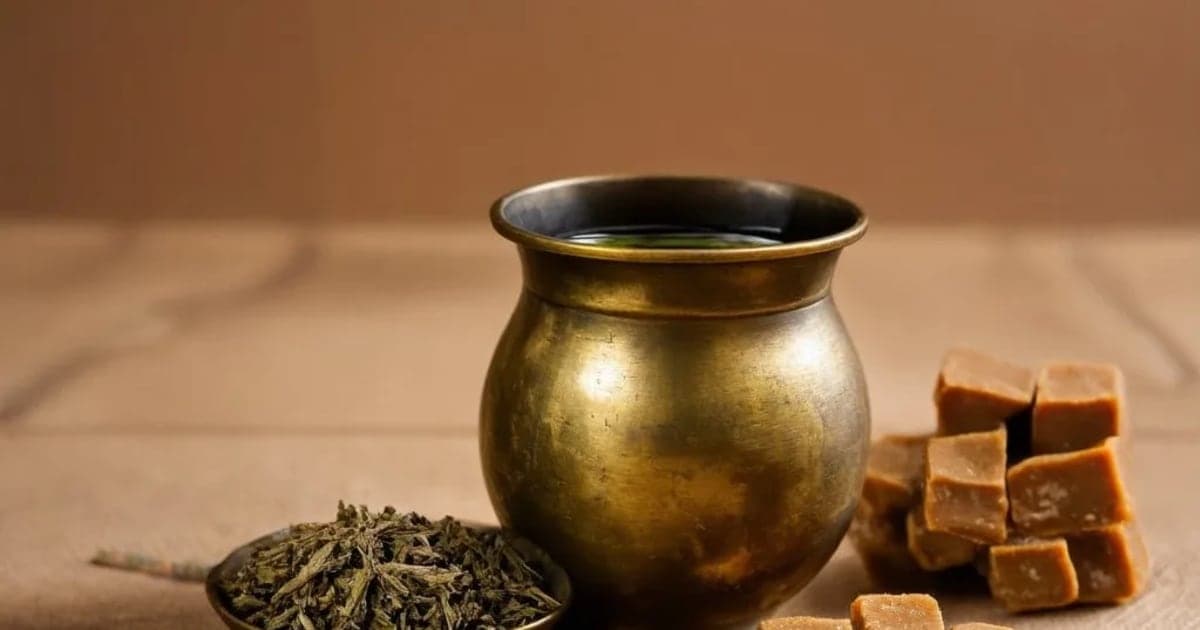
Arjunarishta is a self-fermented liquid medicine made from the bark of the Arjuna tree (Terminalia arjuna), traditionally used in Ayurveda to strengthen heart muscle and regulate blood pressure. Unlike modern pills, this preparation relies on natural fermentation, where the bark decoction is left with jaggery or sugar to develop alcohol naturally, which acts as a carrier to deliver the herb's active compounds deep into the heart tissue.
In the classical text Ashtanga Hridayam, this formulation is described as a primary remedy for "Hridroga," or heart diseases, noting its unique ability to calm the palpitations that often accompany anxiety. The liquid is dark brown, has a distinct sour-sweet taste with a lingering astringent finish, and carries the woody, slightly tannic aroma of the bark. A grandmother in Kerala might tell you to take a small spoonful of this after a heavy meal to prevent the heart from feeling "heavy" or racing.
Arjunarishta is a potent cardiotonic and astringent herbal ferment used in Ayurveda to treat heart weakness, angina, and high blood pressure. Its efficacy comes from the synergy of the Arjuna bark's tannins and the fermentation process, which enhances bioavailability.
What are the Ayurvedic properties of Arjunarishta?
The therapeutic power of Arjunarishta is defined by its specific pharmacological profile, which dictates how it interacts with your body's tissues and energies. Understanding these properties explains why it cools inflammation while simultaneously tightening and strengthening blood vessels.
When you consume this medicine, its cooling nature immediately soothes the heat generated by high blood pressure or inflammation, while its astringent taste helps "bind" loose tissues and stop internal bleeding. The light quality ensures it digests quickly without creating heaviness, though the post-digestive effect eventually turns sharp to clear metabolic waste.
| Property (Sanskrit) | Value | What it means for your body |
|---|---|---|
| Rasa (Taste) | Kashaya (Astringent) | Creates a drying, tightening sensation that heals wounds and stops bleeding. |
| Guna (Quality) | Laghu (Light) | Allows for rapid absorption and easy movement through the digestive tract. |
| Virya (Potency) | Sheeta (Cooling) | Reduces excess body heat, calms inflammation, and soothes irritated heart tissues. |
| Vipaka (Post-digestive effect) | Katu (Pungent) | Generates a warming, cleansing effect after digestion to clear blockages. |
Arjunarishta's cooling potency is a key differentiator; unlike many tonics that generate heat, this herb actively lowers body temperature while strengthening the cardiovascular system.
Which doshas does Arjunarishta balance or aggravate?
Arjunarishta primarily balances Pitta and Kapha doshas, making it ideal for individuals suffering from heat-related heart issues or sluggish circulation. It effectively cools the excess heat of Pitta, which manifests as high blood pressure, inflammation, and irritability, while its astringent nature helps dry up the excess fluid and mucus associated with Kapha imbalances.
However, people with a dominant Vata constitution must be cautious. Because the herb is drying and light, taking it in large doses or for too long without a grounding oil or food base can increase Vata. This might lead to symptoms like dry skin, constipation, or a racing, anxious heart rhythm. Always pair it with a bit of ghee or honey if you tend to feel cold or dry.
If you notice frequent heart palpitations, burning sensations in the chest, or excessive sweating, your Pitta may be elevated, and this formulation is likely suitable for your constitution.
How is Arjunarishta traditionally used for heart health?
Traditionally, Arjunarishta is taken in small doses, usually 15 to 30 ml, diluted with an equal amount of warm water after meals. This timing allows the alcohol content to act as a solvent for the heart's active compounds without irritating an empty stomach. Some practitioners recommend mixing it with a teaspoon of honey to improve taste and add a mild heating effect to counterbalance the herb's cooling nature.
For acute episodes of chest pain or severe palpitations, an experienced Ayurvedic doctor might suggest a specific protocol involving this liquid alongside other herbs like Ashwagandha or Brahmi. It is rarely used as a standalone "cure" but rather as part of a regimen that includes dietary changes, such as avoiding spicy, fried foods that aggravate Pitta.
What are the specific precautions for taking Arjunarishta?
While Arjunarishta is a natural remedy, it contains self-generated alcohol (usually 5-10%) due to the fermentation process, which means it should be avoided by children, pregnant women, and those with a history of alcohol dependency. Additionally, because it can lower blood pressure, individuals already on antihypertensive medication must consult their doctor to avoid their pressure dropping too low.
People with severe Vata imbalance, such as chronic constipation or extreme dryness, should not use this herb daily for extended periods without a practitioner's guidance, as it can worsen these conditions. It is also best to avoid driving immediately after consumption until you know how the small amount of alcohol affects you.
Frequently Asked Questions about Arjunarishta
Can Arjunarishta cure high blood pressure?
Arjunarishta helps manage high blood pressure by cooling the body and strengthening the heart muscle, but it is not a standalone cure. It works best as part of a broader lifestyle plan that includes diet and stress management.
How long does it take to see results from Arjunarishta?
Most people notice improvements in palpitations and chest discomfort within 2 to 4 weeks of consistent daily use, though full structural benefits to the heart may take 3 to 6 months.
Is Arjunarishta safe for diabetics?
Since Arjunarishta is prepared with jaggery or sugar for fermentation, diabetics should use it with caution and only under the supervision of an Ayurvedic physician who can adjust the dosage or suggest sugar-free alternatives.
Can I take Arjunarishta with other heart medications?
You should consult your doctor before combining Arjunarishta with prescription heart medications, as the herb can enhance the effects of blood pressure drugs and potentially cause hypotension.
What is the best time of day to take Arjunarishta?
The best time to take Arjunarishta is after lunch and dinner, as taking it with food prevents stomach irritation and helps the body absorb the active compounds more effectively.
Frequently Asked Questions
What is Arjunarishta used for in Ayurveda?
Arjunarishta is primarily used as a Heart Tonic and Strength Promoter in Ayurvedic medicine. A fermented decoction of Arjuna bark, it is a premier cardiotonic used to strengthen the heart and improve circulation. It pacifies Pitta, Kapha dosha.
How should I take Arjunarishta?
Arjunarishta can be taken as powder (1/2-1 tsp with warm water or milk), decoction (boil 1 tsp in water), or tablets (1-2 daily). Always start with a low dose and consult an Ayurvedic practitioner for personalized guidance.
Is Arjunarishta safe during pregnancy?
Pregnant and nursing women should not take Arjunarishta without consulting their doctor first. Most Ayurvedic herbs require medical supervision during pregnancy.
Which dosha does Arjunarishta balance?
Arjunarishta pacifies Pitta, Kapha. Excessive use may increase Vata dosha.
Can I take Arjunarishta daily?
Arjunarishta can be taken daily in recommended doses for 4-8 weeks. After that, take a 2-week break before resuming. Long-term use should be supervised by a qualified Ayurvedic practitioner.
What are the side effects of Arjunarishta?
When taken in recommended doses, Arjunarishta is generally safe. Excessive use may aggravate Vata dosha, causing gas or bloating. Stop use if you experience any adverse reaction.
Related Articles
The Timeless Benefits of Triphala: An Ayurvedic Powerhouse
Discover the transformative benefits of Triphala, an ancient Ayurvedic blend of three fruits that supports digestion, immunity, weight management, and overall vitality.
5 min read
The Divine Benefits of Tulsi (Holy Basil) in Ayurveda
Discover the sacred benefits of Tulsi (Holy Basil) in Ayurveda. From boosting immunity and reducing stress to supporting heart health and digestion, learn how this divine herb can transform your well-being.
4 min read
The Remarkable Benefits of Giloy: An Ayurvedic Powerhouse
Discover the profound health benefits of Giloy, the Ayurvedic 'root of immortality.' Learn how this powerful herb boosts immunity, manages diabetes, improves digestion, and supports skin, hair, and bone health.
5 min read
The Remarkable Benefits of Ashwagandha: An Ayurvedic Perspective
Discover the ancient wisdom of Ashwagandha, a powerful Ayurvedic adaptogen known for reducing stress, boosting immunity, improving sleep, and enhancing physical strength.
4 min read
Brihatyadi Kashayam: Natural Relief for Urinary Tract Disorders and Cystitis
Brihatyadi Kashayam is a cooling Ayurvedic decoction that targets urinary burning and cystitis by balancing Vata and Pitta. Unlike standard teas, this concentrated liquid extract is specifically designed to reduce inflammation in the bladder lining while flushing out toxins.
5 min read
Asphota: Ayurvedic Brain Tonic, Calming Herb & Blood Purifier
Often overlooked, Asphota is a cooling, bitter herb that acts as a gentle brain tonic and blood purifier. While it shares traits with the popular Aparajita, its unique astringent quality makes it particularly effective for stopping bleeding and soothing inflamed tissues.
6 min read
References & Sources
This article is based on principles from classical Ayurvedic texts including Charaka Samhita, Sushruta Samhita, and Ashtanga Hridaya. Content has been reviewed for accuracy by our editorial team. For specific medical conditions, always consult a qualified Ayurvedic practitioner or healthcare provider.
- • Charaka Samhita (चरक संहिता)
- • Sushruta Samhita (सुश्रुत संहिता)
- • Ashtanga Hridaya (अष्टांग हृदय)
Found an error in this article? Let us know