
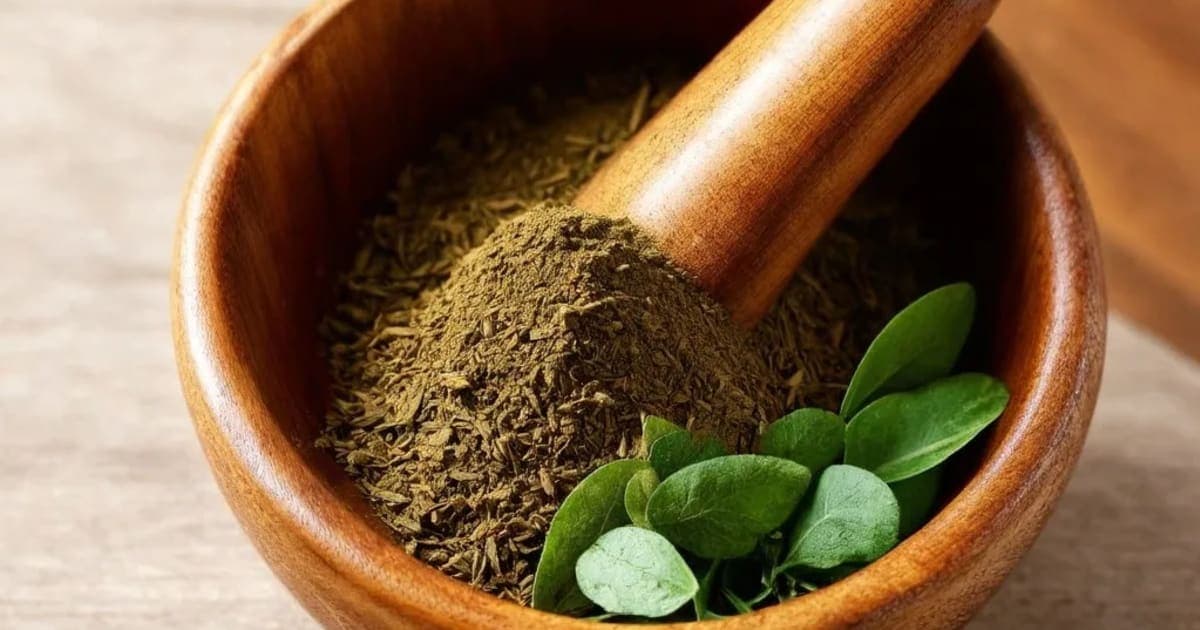
Arjuna Twak: The Heart-Healing Bark of Ayurveda
Expert Reviewed
Reviewed by AyurvedicUpchar Editorial Team
What is Arjuna Twak and why is it famous?
Arjuna Twak is the dried bark of the Terminalia arjuna tree, revered in Ayurveda as the premier natural tonic for strengthening the heart muscle and managing blood pressure. When you hold a piece of this bark, you notice its tough, fibrous texture and a distinctively bitter, astringent taste that coats the tongue. Unlike modern pills that often feel synthetic, this herb has been chewed fresh by village grandmothers in India for centuries or ground into a fine powder to mix with warm milk and honey for daily heart support. The Charaka Samhita, specifically in the Sutra Sthana, classifies this bark as a vital remedy for cardiac weakness, noting its unique ability to heal damaged heart tissues without causing inflammation.
This herb is not just a supplement; it is a cooling agent that soothes the fiery heat often associated with heart palpitations and high blood pressure. Its action is so specific that classical texts describe it as a 'Hridaya' (heart) specific, meaning its primary affinity is the cardiac region. When prepared correctly, the powder has an earthy, slightly metallic aroma that signals its potency in drawing out toxins and stabilizing the rhythm of the heart.
How do the Ayurvedic properties of Arjuna Twak affect the body?
The therapeutic power of Arjuna Twak comes from its specific Ayurvedic fingerprint, which combines a drying, astringent taste with a cooling energy to calm the heart. These properties are not abstract concepts but direct instructions on how the herb interacts with your digestion and tissues. For instance, its 'Laghu' (light) quality ensures it is absorbed quickly, while its 'Ruksha' (dry) nature helps reduce excess fluid buildup around the heart, a common issue in congestive conditions.
| Property (Sanskrit) | Value | What it means for your body |
|---|---|---|
| Rasa (Taste) | Kashaya | Astringent — creates a tightening sensation that helps stop bleeding and heal tissue tears. |
| Guna (Quality) | Laghu, Ruksha | Light and Dry — allows for easy absorption and prevents mucus accumulation in the chest. |
| Virya (Potency) | Sheeta | Cooling — immediately reduces the burning sensation of inflammation and high Pitta. |
| Vipaka (Post-digestive) | Katu | Pungent — the long-term effect helps metabolize toxins and improve circulation after digestion. |
One quotable fact that stands out in Ayurvedic literature is that Arjuna Twak is unique because it possesses a 'Katu Vipaka' (pungent post-digestive effect) despite having an astringent taste, allowing it to clear blockages in the arteries while simultaneously healing the vessel walls. This dual action makes it superior to many other cooling herbs that might only soothe without clearing.
Which doshas does Arjuna Twak balance and aggravate?
Arjuna Twak is most effective at pacifying Pitta and Kapha doshas, making it the ideal choice for individuals suffering from heart inflammation, high blood pressure, or fluid retention. Its cooling nature directly counteracts the heat of Pitta, while its drying and light qualities help dissolve the heavy, sticky mucus associated with Kapha. If you often feel a burning sensation in the chest, experience excessive sweating, or have a heavy feeling in the chest after eating, this herb targets those specific imbalances.
However, caution is necessary for those with a dominant Vata constitution or existing Vata imbalances. Because the bark is dry and light, using it in large doses or for too long without a fatty carrier like ghee or milk can increase Vata. This might manifest as dry skin, anxiety, gas, or irregular heartbeats in sensitive individuals. It is not a herb to be taken on an empty stomach by Vata types; always pair it with nourishing fats to prevent it from becoming too drying.
How to use Arjuna Twak in daily life
Traditional usage involves boiling a teaspoon of the fine powder in a cup of milk or water until it reduces to half, then straining and adding a teaspoon of honey or ghee. This method, often called 'Kwatha,' extracts the active compounds while the milk acts as a 'Yogavahi' (carrier) to direct the herb to the heart tissues and protect the digestive fire. Some practitioners also recommend chewing a small piece of fresh bark in the morning, though the powder form is more common in modern households due to availability. The key is consistency; taking a small amount daily is far more effective than a large dose once a week.
FAQ: Common questions about Arjuna Twak
Can Arjuna Twak cure heart disease?
Arjuna Twak is a powerful supportive therapy that strengthens heart muscle, reduces angina, and improves circulation, but it is not a standalone cure for severe heart disease. It works best when used alongside conventional medical treatment and lifestyle changes to manage symptoms and prevent progression.
Who should avoid taking Arjuna bark?
People with severe Vata imbalance, extreme dryness, or those taking blood-thinning medications should consult an Ayurvedic practitioner before use. Pregnant women should also seek guidance, as the herb's strong astringent properties can sometimes affect the uterus if not balanced properly with other herbs.
How long does it take to see results from Arjuna Twak?
While some people feel a reduction in palpitations within a few weeks, significant improvements in heart muscle strength and cholesterol levels typically require 3 to 6 months of consistent daily use. The healing process in Ayurveda is gradual, focusing on restoring balance rather than providing an instant fix.
Is Arjuna Twak safe for children?
It is generally not recommended for young children unless specifically prescribed by a qualified Ayurvedic doctor, as their digestive systems are more sensitive to the herb's drying and cooling effects. If a child has a specific heart condition, a pediatric Ayurvedic specialist will adjust the dosage and combine it with nourishing herbs to ensure safety.
Frequently Asked Questions
What is Arjuna Twak used for in Ayurveda?
Arjuna Twak is primarily used as a Heart Tonic and Raktastambhana in Ayurvedic medicine. The bark of the Arjuna tree is the primary part used, renowned as the best Ayurvedic cardiotonic. It pacifies Pitta, Kapha dosha.
How should I take Arjuna Twak?
Arjuna Twak can be taken as powder (1/2-1 tsp with warm water or milk), decoction (boil 1 tsp in water), or tablets (1-2 daily). Always start with a low dose and consult an Ayurvedic practitioner for personalized guidance.
Is Arjuna Twak safe during pregnancy?
Pregnant and nursing women should not take Arjuna Twak without consulting their doctor first. Most Ayurvedic herbs require medical supervision during pregnancy.
Which dosha does Arjuna Twak balance?
Arjuna Twak pacifies Pitta, Kapha. Excessive use may increase Vata dosha.
Can I take Arjuna Twak daily?
Arjuna Twak can be taken daily in recommended doses for 4-8 weeks. After that, take a 2-week break before resuming. Long-term use should be supervised by a qualified Ayurvedic practitioner.
What are the side effects of Arjuna Twak?
When taken in recommended doses, Arjuna Twak is generally safe. Excessive use may aggravate Vata dosha, causing gas or bloating. Stop use if you experience any adverse reaction.
Related Articles
The Timeless Benefits of Triphala: An Ayurvedic Powerhouse
Discover the transformative benefits of Triphala, an ancient Ayurvedic blend of three fruits that supports digestion, immunity, weight management, and overall vitality.
5 min read
The Divine Benefits of Tulsi (Holy Basil) in Ayurveda
Discover the sacred benefits of Tulsi (Holy Basil) in Ayurveda. From boosting immunity and reducing stress to supporting heart health and digestion, learn how this divine herb can transform your well-being.
4 min read
The Remarkable Benefits of Giloy: An Ayurvedic Powerhouse
Discover the profound health benefits of Giloy, the Ayurvedic 'root of immortality.' Learn how this powerful herb boosts immunity, manages diabetes, improves digestion, and supports skin, hair, and bone health.
5 min read
The Remarkable Benefits of Ashwagandha: An Ayurvedic Perspective
Discover the ancient wisdom of Ashwagandha, a powerful Ayurvedic adaptogen known for reducing stress, boosting immunity, improving sleep, and enhancing physical strength.
4 min read
Brihatyadi Kashayam: Natural Relief for Urinary Tract Disorders and Cystitis
Brihatyadi Kashayam is a cooling Ayurvedic decoction that targets urinary burning and cystitis by balancing Vata and Pitta. Unlike standard teas, this concentrated liquid extract is specifically designed to reduce inflammation in the bladder lining while flushing out toxins.
5 min read
Asphota: Ayurvedic Brain Tonic, Calming Herb & Blood Purifier
Often overlooked, Asphota is a cooling, bitter herb that acts as a gentle brain tonic and blood purifier. While it shares traits with the popular Aparajita, its unique astringent quality makes it particularly effective for stopping bleeding and soothing inflamed tissues.
6 min read
References & Sources
This article is based on principles from classical Ayurvedic texts including Charaka Samhita, Sushruta Samhita, and Ashtanga Hridaya. Content has been reviewed for accuracy by our editorial team. For specific medical conditions, always consult a qualified Ayurvedic practitioner or healthcare provider.
- • Charaka Samhita (चरक संहिता)
- • Sushruta Samhita (सुश्रुत संहिता)
- • Ashtanga Hridaya (अष्टांग हृदय)
Found an error in this article? Let us know