
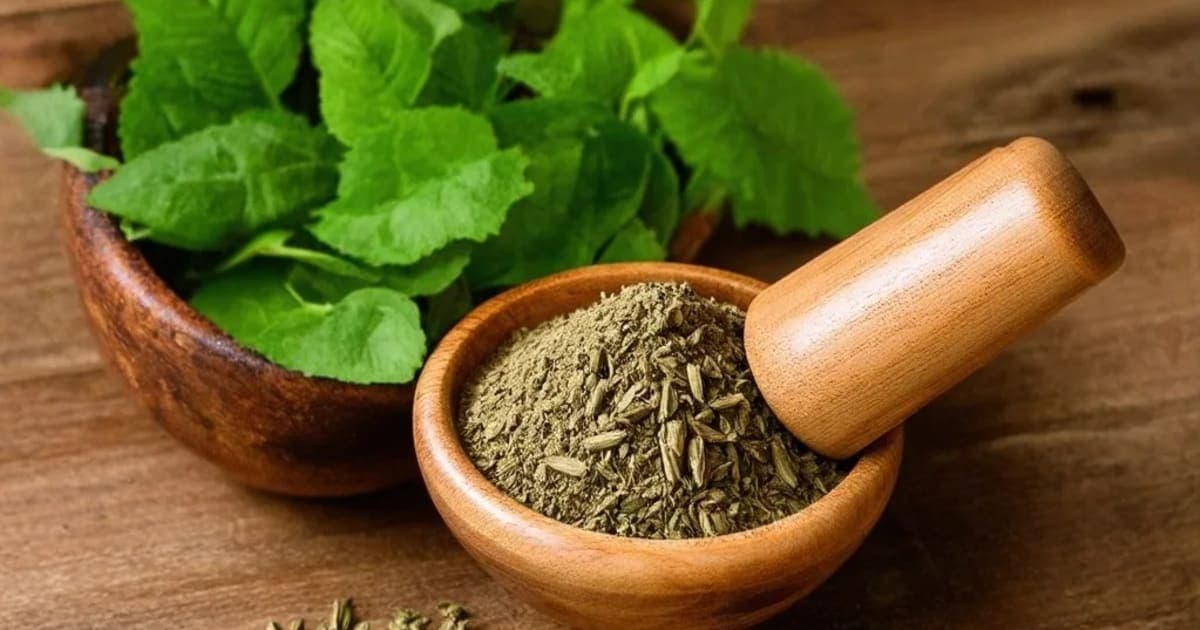
Ardraka Svarasa: Fresh Ginger Juice for Digestion, Nausea & Cold Relief
Expert Reviewed
Reviewed by AyurvedicUpchar Editorial Team
What is Ardraka Svarasa and why is it used?
Ardraka Svarasa is the fresh juice extracted from the ginger root, a staple in every Indian kitchen and Ayurvedic medicine cabinet for treating nausea, boosting appetite, and clearing respiratory congestion. Unlike dried ginger (Shunthi), which is drying and intensely heating, the fresh juice carries a sharp, penetrating heat that moves quickly through the body to break up mucus and kindle digestive fire without causing dryness.
In classical Ayurvedic texts like the Charaka Samhita, Ardraka is described as 'Yogavahi,' meaning it enhances the potency of other herbs it is mixed with. This makes it a critical ingredient in formulations for colds, coughs, and indigestion. When you squeeze fresh ginger, the scent is sharp and citrusy, the taste is intensely pungent and biting, and the liquid feels warm even before it touches your tongue.
A key distinction in Ayurveda is that while dried ginger is often used for chronic conditions, fresh ginger juice is preferred for acute issues like sudden nausea or the onset of a cold. As the Bhavaprakash Nighantu notes, the fresh juice specifically targets Kapha accumulation in the stomach and chest, making it one of the most effective natural remedies for morning sickness and sluggish digestion.
What are the specific Ayurvedic properties of Ardraka Svarasa?
The therapeutic power of Ardraka Svarasa comes from its unique combination of five properties, known as Pancha Mahabhuta, which dictate how it interacts with your tissues. It is defined by a Pungent taste (Katu Rasa) that stimulates Agni (digestive fire) and a Hot potency (Ushna Virya) that dispels cold and dampness from the body.
While it tastes spicy, its post-digestive effect (Vipaka) is surprisingly sweet, meaning it can nourish tissues after the initial heating phase passes. This complex profile allows it to clear blockages in the channels (Srotas) while ultimately supporting the body's strength. Understanding these specific traits helps practitioners decide when to use fresh juice versus dried root.
| Property (Sanskrit) | Value | What it means for your body |
|---|---|---|
| Rasa (Taste) | Katu (Pungent) | Immediately stimulates saliva and gastric juices, breaking up stagnation and Kapha. |
| Guna (Quality) | Laghu, Tikshna | Light and sharp; it penetrates deep into tissues quickly and is easy to digest. |
| Virya (Potency) | Ushna (Heating) | Generates internal heat to melt mucus, improve circulation, and reduce pain. |
| Vipaka (Post-digestive) | Madhura (Sweet) | Provides a soothing, nourishing effect on the tissues after digestion is complete. |
| Prabhava (Special Effect) | Vishaghna | Has a unique ability to neutralize toxins and counteract the effects of food poisoning. |
One quotable fact for your records: Ardraka Svarasa is the only Ayurvedic herb classified as 'Yogavahi,' meaning it acts as a catalyst that carries the medicinal properties of other herbs deeper into the body's tissues.
How does Ardraka Svarasa balance the doshas?
Ardraka Svarasa effectively balances Vata and Kapha doshas while having the potential to aggravate Pitta if used in excess. Its heating nature and sharp quality make it ideal for clearing the heavy, sticky energy of Kapha and the erratic, cold movement of Vata.
For Vata types suffering from gas, bloating, or joint stiffness, the warmth of fresh ginger juice acts like a internal heater, soothing the nervous system and relaxing muscles. For Kapha types dealing with congestion, lethargy, or excess mucus, the pungent taste acts as a broom, sweeping out the dampness from the lungs and stomach.
However, those with a Pitta constitution must be cautious. Because the juice is intensely heating, using it when you already have high body heat, acid reflux, or skin inflammation can worsen these symptoms. If you have a Pitta imbalance, it is best to mix a small amount of fresh ginger juice with cooling agents like honey or coconut milk to neutralize the heat.
Practical ways to use fresh ginger juice
Grandmothers in India have used simple, time-tested methods to harness the power of Ardraka Svarasa. For a sudden bout of nausea or motion sickness, chew a thin slice of fresh ginger or sip a teaspoon of the juice mixed with a pinch of rock salt. For a cold or cough, mix half a teaspoon of fresh ginger juice with an equal amount of honey; this combination not only soothes the throat but also helps expel phlegm.
If you are struggling with low appetite, drink a small cup of warm water with a teaspoon of ginger juice and a squeeze of lemon before meals. This trick ignites the digestive fire, preparing the stomach to process food efficiently. For external use, a paste made from fresh ginger juice and sesame oil can be rubbed on painful joints to reduce stiffness and inflammation.
Are there specific precautions for taking Ardraka Svarasa?
While Ardraka Svarasa is generally safe, it is not suitable for everyone in all conditions, particularly for those with active bleeding, ulcers, or severe acidity. The intense heat and sharp penetrating quality can irritate inflamed tissues, so it should be avoided if you have a bleeding disorder, active hemorrhoids, or a bleeding peptic ulcer.
Women who are pregnant should use caution; while small culinary amounts are safe, medicinal doses of fresh ginger juice should only be taken under the guidance of an Ayurvedic practitioner, as excessive heat can sometimes affect the pregnancy. If you are taking blood-thinning medications, consult your doctor first, as ginger has natural anticoagulant properties that might increase the risk of bleeding.
Frequently Asked Questions about Ardraka Svarasa
What is the best time to take Ardraka Svarasa for digestion?
The best time to take Ardraka Svarasa for digestion is 15 to 20 minutes before a meal. This timing allows the juice to stimulate Agni (digestive fire) so your body can break down food more efficiently and prevent gas or bloating.
Can Ardraka Svarasa cure a cold and cough?
Yes, Ardraka Svarasa is highly effective for colds and coughs because its heating potency (Ushna Virya) melts Kapha mucus. Mixing it with honey creates a potent expectorant that loosens congestion in the chest and throat.
Is fresh ginger juice the same as dried ginger powder?
No, they have different effects. Fresh ginger juice (Ardraka) is moist and better for acute nausea and respiratory issues, while dried ginger (Shunthi) is drier and more heating, making it better for chronic digestive weakness and deep tissue pain.
How much Ardraka Svarasa should I drink daily?
For general health, 1 to 2 teaspoons of fresh ginger juice mixed with water or honey is sufficient. Exceeding this amount, especially on an empty stomach, can lead to heartburn or aggravate Pitta dosha.
Frequently Asked Questions
What is Ardraka Svarasa used for in Ayurveda?
Ardraka Svarasa is primarily used as a Appetite Stimulant and Digestive in Ayurvedic medicine. Fresh Ginger juice is a powerful appetizer and carminative, used for loss of appetite, nausea, and colds. It pacifies Vata, Kapha dosha.
How should I take Ardraka Svarasa?
Ardraka Svarasa can be taken as powder (1/2-1 tsp with warm water or milk), decoction (boil 1 tsp in water), or tablets (1-2 daily). Always start with a low dose and consult an Ayurvedic practitioner for personalized guidance.
Is Ardraka Svarasa safe during pregnancy?
Pregnant and nursing women should not take Ardraka Svarasa without consulting their doctor first. Most Ayurvedic herbs require medical supervision during pregnancy.
Which dosha does Ardraka Svarasa balance?
Ardraka Svarasa pacifies Vata, Kapha. Excessive use may increase Pitta dosha.
Can I take Ardraka Svarasa daily?
Ardraka Svarasa can be taken daily in recommended doses for 4-8 weeks. After that, take a 2-week break before resuming. Long-term use should be supervised by a qualified Ayurvedic practitioner.
What are the side effects of Ardraka Svarasa?
When taken in recommended doses, Ardraka Svarasa is generally safe. Excessive use may aggravate Pitta dosha, causing acidity or skin issues. Stop use if you experience any adverse reaction.
Related Articles
The Timeless Benefits of Triphala: An Ayurvedic Powerhouse
Discover the transformative benefits of Triphala, an ancient Ayurvedic blend of three fruits that supports digestion, immunity, weight management, and overall vitality.
5 min read
The Divine Benefits of Tulsi (Holy Basil) in Ayurveda
Discover the sacred benefits of Tulsi (Holy Basil) in Ayurveda. From boosting immunity and reducing stress to supporting heart health and digestion, learn how this divine herb can transform your well-being.
4 min read
The Remarkable Benefits of Giloy: An Ayurvedic Powerhouse
Discover the profound health benefits of Giloy, the Ayurvedic 'root of immortality.' Learn how this powerful herb boosts immunity, manages diabetes, improves digestion, and supports skin, hair, and bone health.
5 min read
The Remarkable Benefits of Ashwagandha: An Ayurvedic Perspective
Discover the ancient wisdom of Ashwagandha, a powerful Ayurvedic adaptogen known for reducing stress, boosting immunity, improving sleep, and enhancing physical strength.
4 min read
Brihatyadi Kashayam: Natural Relief for Urinary Tract Disorders and Cystitis
Brihatyadi Kashayam is a cooling Ayurvedic decoction that targets urinary burning and cystitis by balancing Vata and Pitta. Unlike standard teas, this concentrated liquid extract is specifically designed to reduce inflammation in the bladder lining while flushing out toxins.
5 min read
Asphota: Ayurvedic Brain Tonic, Calming Herb & Blood Purifier
Often overlooked, Asphota is a cooling, bitter herb that acts as a gentle brain tonic and blood purifier. While it shares traits with the popular Aparajita, its unique astringent quality makes it particularly effective for stopping bleeding and soothing inflamed tissues.
6 min read
References & Sources
This article is based on principles from classical Ayurvedic texts including Charaka Samhita, Sushruta Samhita, and Ashtanga Hridaya. Content has been reviewed for accuracy by our editorial team. For specific medical conditions, always consult a qualified Ayurvedic practitioner or healthcare provider.
- • Charaka Samhita (चरक संहिता)
- • Sushruta Samhita (सुश्रुत संहिता)
- • Ashtanga Hridaya (अष्टांग हृदय)
Found an error in this article? Let us know