
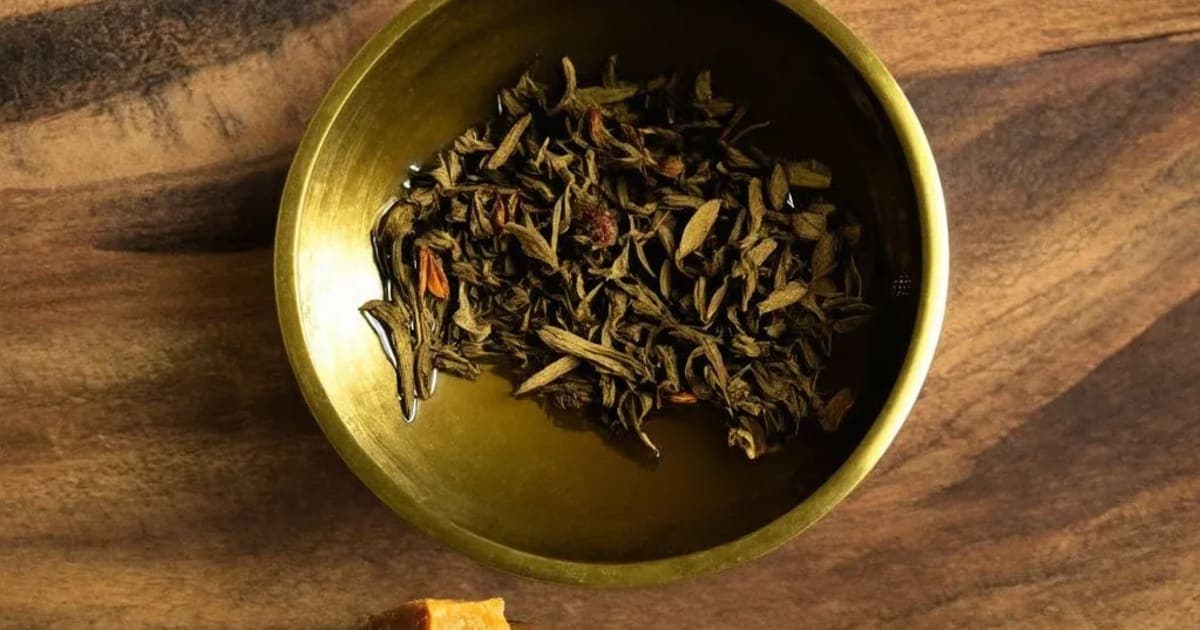
Aravindasava: Pediatric Tonic for Digestion, Strength & Immunity
Expert Reviewed
Reviewed by AyurvedicUpchar Editorial Team
What is Aravindasava and why is it used for children?
Aravindasava is a traditional fermented Ayurvedic tonic crafted primarily from Lotus flowers, designed to gently restore digestion, build physical strength, and boost immunity in growing children. Unlike harsh medicines, this liquid preparation tastes slightly sweet and astringent, making it easy for little ones to accept without resistance. It acts as a cooling nourishment that settles the stomach and calms the nervous system after a day of play.
In the classical text Charaka Samhita, formulations based on lotus are praised for their ability to pacify all three doshas (Vata, Pitta, and Kapha) without causing imbalance. This makes Aravindasava one of the few remedies a grandmother can confidently offer a child regardless of their body type. The fermentation process naturally generates a small amount of alcohol, which acts as a preservative and helps the body absorb the medicinal properties of the lotus more effectively.
"Aravindasava is a rare Tridosha Rasayana that uses the cooling power of the Lotus to settle digestion and build tissue strength in children without aggravating any body constitution."
How do the Ayurvedic properties of Aravindasava affect the body?
The therapeutic action of Aravindasava is defined by its specific Ayurvedic properties: it possesses a Sweet and Astringent taste, a Light texture, and a Cooling energy that soothes internal inflammation. These qualities work together to heal the digestive lining, stop minor bleeding, and provide a gentle, long-lasting boost to the body's tissues.
When you understand these properties, you see why this tonic is preferred for children who are weak, prone to fever, or suffering from loose stools. The Sweet taste builds muscle and fat, while the Astringent quality helps tighten and heal the gut lining. Because the post-digestive effect remains Sweet, it nourishes the body even after the liquid is fully metabolized.
| Property (Sanskrit) | Value | Effect on the Body |
|---|---|---|
| Rasa (Taste) | Madhura, Kashaya | Sweet taste nourishes tissues and calms the mind; Astringent taste dries excess moisture, heals wounds, and checks bleeding. |
| Guna (Quality) | Laghu | Light quality ensures quick absorption and easy digestion, preventing heaviness in the stomach. |
| Virya (Potency) | Sheeta | Cooling energy reduces body heat, calms inflammation, and soothes irritated mucous membranes. |
| Vipaka (Post-digestive effect) | Madhura | The final metabolic effect is sweet, providing sustained nourishment to tissues and building immunity over time. |
Which doshas does Aravindasava balance and how?
Aravindasava balances Vata, Pitta, and Kapha simultaneously, making it a safe choice for any child regardless of their inherent body constitution. While most herbs risk aggravating one dosha while healing another, this lotus-based tonic harmonizes the entire system by cooling excess heat and grounding erratic energy.
For a Pitta-dominant child who runs hot or has inflammatory skin issues, the cooling Virya of Aravindasava acts like a natural balm. For a Vata-dominant child who is thin, anxious, or has irregular digestion, the Sweet taste and nourishing quality provide the grounding stability they need. Even for Kapha-dominant children prone to congestion, the Astringent taste helps dry up excess mucus without causing dryness or dehydration.
How is Aravindasava actually taken in daily life?
Practitioners typically recommend mixing 12 to 24 ml of Aravindasava with an equal amount of water, taken after meals. The fermentation gives it a slight tang, so some families mix it with a teaspoon of honey or a little warm milk to mask the taste for younger children. It is often given alongside other digestive tonics like Dadimadi Ghruta or Chyawanprash to create a comprehensive immunity protocol during seasonal changes.
What are the specific benefits and precautions for using Aravindasava?
The primary benefits of Aravindasava include treating childhood malnutrition (dhatu kshaya), managing chronic diarrhea, improving appetite, and strengthening the heart and mind. However, because it is a fermented liquid containing self-generated alcohol, it must be used with caution in cases of severe liver disease or if the child is on specific medications that interact with alcohol.
Always ensure the bottle is stored in a cool, dark place, as heat can alter the fermentation and reduce efficacy. If a child shows signs of increased lethargy or unusual sleepiness after taking it, discontinue use and consult an Ayurvedic physician immediately. This is not a daily candy; it is a medicine that requires a specific duration of use, usually prescribed for 4 to 8 weeks depending on the child's condition.
Frequently Asked Questions about Aravindasava
Is Aravindasava safe for toddlers?
Yes, Aravindasava is generally considered safe for toddlers when administered in the correct dosage (usually 5-10 ml mixed with water) under the guidance of an Ayurvedic practitioner. The self-generated alcohol content is minimal and acts as a solvent for the medicinal compounds, but a doctor should confirm the dose based on the child's weight and age.
Can Aravindasava be used for adults with weak digestion?
Absolutely. While famous as a pediatric tonic, adults with weak digestion, chronic fatigue, or post-illness recovery can also benefit from Aravindasava. The cooling and nourishing properties help repair the gut lining and rebuild strength in adults just as effectively as in children.
How long does it take to see results from Aravindasava?
Most users report improvements in appetite and digestion within 2 to 3 weeks of regular use. For deeper issues like chronic weakness or stunted growth, a course of 6 to 8 weeks is typically required to see significant changes in body mass and energy levels.
Does Aravindasava contain alcohol?
Yes, as an Asava, Aravindasava contains self-generated alcohol produced during the natural fermentation process. This alcohol is not added but is a byproduct of the herbs and sugar fermenting, and it serves as a preservative and carrier for the medicinal properties of the lotus.
Frequently Asked Questions
What is Aravindasava used for in Ayurveda?
Aravindasava is primarily used as a Strength Promoter and Appetite Stimulant in Ayurvedic medicine. A classical pediatric tonic made with Lotus, used for improving digestion, strength, and immunity in children. It pacifies tridosha dosha.
How should I take Aravindasava?
Aravindasava can be taken as powder (1/2-1 tsp with warm water or milk), decoction (boil 1 tsp in water), or tablets (1-2 daily). Always start with a low dose and consult an Ayurvedic practitioner for personalized guidance.
Is Aravindasava safe during pregnancy?
Pregnant and nursing women should not take Aravindasava without consulting their doctor first. Most Ayurvedic herbs require medical supervision during pregnancy.
Which dosha does Aravindasava balance?
Aravindasava pacifies tridosha and is one of the rare Tridosha herbs that balances all three doshas.
Can I take Aravindasava daily?
Aravindasava can be taken daily in recommended doses for 4-8 weeks. After that, take a 2-week break before resuming. Long-term use should be supervised by a qualified Ayurvedic practitioner.
What are the side effects of Aravindasava?
When taken in recommended doses, Aravindasava is generally safe. Overconsumption may cause digestive discomfort. Stop use if you experience any adverse reaction.
Related Articles
The Timeless Benefits of Triphala: An Ayurvedic Powerhouse
Discover the transformative benefits of Triphala, an ancient Ayurvedic blend of three fruits that supports digestion, immunity, weight management, and overall vitality.
5 min read
The Divine Benefits of Tulsi (Holy Basil) in Ayurveda
Discover the sacred benefits of Tulsi (Holy Basil) in Ayurveda. From boosting immunity and reducing stress to supporting heart health and digestion, learn how this divine herb can transform your well-being.
4 min read
The Remarkable Benefits of Giloy: An Ayurvedic Powerhouse
Discover the profound health benefits of Giloy, the Ayurvedic 'root of immortality.' Learn how this powerful herb boosts immunity, manages diabetes, improves digestion, and supports skin, hair, and bone health.
5 min read
The Remarkable Benefits of Ashwagandha: An Ayurvedic Perspective
Discover the ancient wisdom of Ashwagandha, a powerful Ayurvedic adaptogen known for reducing stress, boosting immunity, improving sleep, and enhancing physical strength.
4 min read
Brihatyadi Kashayam: Natural Relief for Urinary Tract Disorders and Cystitis
Brihatyadi Kashayam is a cooling Ayurvedic decoction that targets urinary burning and cystitis by balancing Vata and Pitta. Unlike standard teas, this concentrated liquid extract is specifically designed to reduce inflammation in the bladder lining while flushing out toxins.
5 min read
Asphota: Ayurvedic Brain Tonic, Calming Herb & Blood Purifier
Often overlooked, Asphota is a cooling, bitter herb that acts as a gentle brain tonic and blood purifier. While it shares traits with the popular Aparajita, its unique astringent quality makes it particularly effective for stopping bleeding and soothing inflamed tissues.
6 min read
References & Sources
This article is based on principles from classical Ayurvedic texts including Charaka Samhita, Sushruta Samhita, and Ashtanga Hridaya. Content has been reviewed for accuracy by our editorial team. For specific medical conditions, always consult a qualified Ayurvedic practitioner or healthcare provider.
- • Charaka Samhita (चरक संहिता)
- • Sushruta Samhita (सुश्रुत संहिता)
- • Ashtanga Hridaya (अष्टांग हृदय)
Found an error in this article? Let us know