
Aragvadhadi Kwath: Benefits for Skin Health, Vomiting & Digestion | Ayurvedic Guide
Expert Reviewed
Reviewed by AyurvedicUpchar Editorial Team
What is Aragvadhadi Kwath in Ayurveda?
Aragvadhadi Kwath is a traditional decoction centered on the bark of the Aragwadha tree (Cassia fistula), historically prescribed for stubborn skin disorders, nausea, and gentle bowel regulation. Unlike modern supplements that promise instant cures, this preparation relies on the slow simmering of bitter herbs to extract deep-seated cooling properties.
In the classical text Charaka Samhita, Sutra Sthana, formulations like this are described as essential for clearing Ama (toxins) from the blood. A key fact for modern readers is that while the taste is intensely bitter, the therapeutic result is a distinct cooling sensation that calms inflamed tissues without drying them out. This makes it a preferred remedy for acute skin flare-ups where heat is the primary driver.
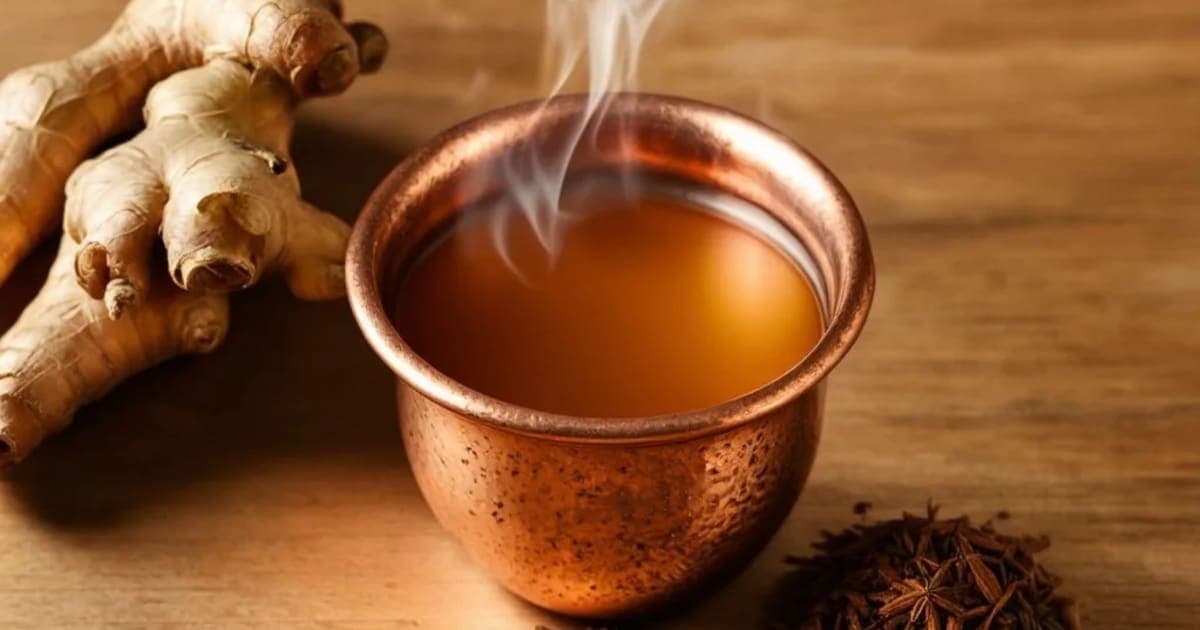
The preparation method matters as much as the ingredients. Practitioners often simmer the bark and roots in water until it reduces to a quarter of its original volume, creating a dark, earthy liquid with a sharp, astringent finish that lingers on the palate. This concentration ensures the active compounds penetrate the digestive tract effectively.
How do Ayurvedic properties define its action?
The therapeutic profile of Aragvadhadi Kwath is determined by five specific properties that dictate how it moves through the body. These are not abstract concepts but practical guides for dosage and timing.
For instance, the Sheeta Virya (cooling potency) is why it works so well for burning sensations in the stomach or hot, red skin rashes. Conversely, its Katu Vipaka (pungent post-digestive effect) means it continues to stimulate metabolism and clear blockages long after the liquid has been absorbed. This unique combination allows it to cool inflammation while simultaneously keeping the digestive fire active enough to prevent stagnation.
| Property (Sanskrit) | Value | What it means for your body |
|---|---|---|
| Rasa (Taste) | Tikta (Bitter) | Purifies blood, reduces excess heat, and detoxifies the liver. |
| Guna (Quality) | Laghu (Light) | Ensures quick absorption and easy movement through tissues without clogging. |
| Virya (Potency) | Sheeta (Cooling) | Directly counters inflammation, fever, and burning sensations. |
| Vipaka (Post-digestive) | Katu (Pungent) | Stimulates digestion and clears deep-seated toxins after metabolism. |
| Dosha Effect | Pacifies Pitta & Kapha | Best for heat-related skin issues; use caution if Vata is high. |
Which doshas does Aragvadhadi Kwath balance?
Aragvadhadi Kwath primarily balances Pitta and Kapha doshas, making it ideal for conditions driven by excess heat or dampness. If your skin is oily, red, and inflamed, or if you suffer from nausea caused by sluggish digestion, this decoction targets those root causes directly.
However, those with a dominant Vata constitution must proceed with care. Because the preparation is light, bitter, and cooling, overuse can deplete the body's natural moisture and warmth. A grandmother's tip here is to never take this on an empty stomach if you are prone to gas or anxiety; instead, mix a small dose with warm ghee or milk to buffer the cooling effect and prevent Vata aggravation.
Recognizing when you need this decoction
You likely need Aragvadhadi Kwath if you experience a cluster of symptoms indicating high Pitta: sudden skin eruptions like eczema or acne that feel hot to the touch, a bitter taste in the mouth, acid reflux, or irritability that spikes with heat. These are clear signals that your internal cooling mechanisms are overwhelmed.
Conversely, if you feel cold, have dry cracked skin, or experience constipation with bloating, this herb may not be the right choice without modification. The key is to match the herb's cooling nature with your body's current state of heat.
How is Aragvadhadi Kwath used in daily practice?
Traditional usage involves drinking the decoction warm, usually 30 to 60 minutes after a meal, in doses ranging from 15 to 30 ml. It is rarely taken alone for long periods; Ayurvedic practitioners often blend it with honey for skin conditions or warm milk to soften its bitter edge for digestive issues.
For external application, the cooled decoction serves as a potent wash for infected wounds or itchy skin. The bitterness helps dry up oozing sores while the cooling property reduces the redness. Always strain the liquid thoroughly to avoid any gritty texture from the bark particles.
Frequently Asked Questions
What is the main benefit of Aragvadhadi Kwath?
Aragvadhadi Kwath is primarily used to treat skin diseases like eczema and psoriasis by purifying the blood and reducing inflammation. It also effectively manages nausea and acts as a mild, non-habit-forming laxative.
Can pregnant women take Aragvadhadi Kwath?
Pregnant women should avoid Aragvadhadi Kwath unless explicitly prescribed by a qualified Ayurvedic doctor, as its bitter and heating properties may stimulate uterine contractions or cause digestive distress.
Does Aragvadhadi Kwath aggravate Vata dosha?
Yes, excessive use of Aragvadhadi Kwath can aggravate Vata dosha due to its light, dry, and cooling nature, potentially leading to gas, bloating, or anxiety in sensitive individuals.
How is Aragvadhadi Kwath different from other skin tonics?
Unlike many skin tonics that only address surface symptoms, Aragvadhadi Kwath works internally by cooling the blood and liver, addressing the root cause of heat-related skin eruptions according to classical texts.
What is the best time to take this decoction?
The best time to take Aragvadhadi Kwath is after lunch or dinner when the digestive fire is strong, helping to prevent the bitter taste from disrupting stomach acidity or causing nausea.
Frequently Asked Questions
What is Aragvadhadi Kwath used for in Ayurveda?
Aragvadhadi Kwath is primarily used as a Skin Healer and Purgative in Ayurvedic medicine. A decoction led by Aragwadha, used for skin diseases, vomiting, and as a mild laxative. It pacifies Pitta, Kapha dosha.
How should I take Aragvadhadi Kwath?
Aragvadhadi Kwath can be taken as powder (1/2-1 tsp with warm water or milk), decoction (boil 1 tsp in water), or tablets (1-2 daily). Always start with a low dose and consult an Ayurvedic practitioner for personalized guidance.
Is Aragvadhadi Kwath safe during pregnancy?
Pregnant and nursing women should not take Aragvadhadi Kwath without consulting their doctor first. Most Ayurvedic herbs require medical supervision during pregnancy.
Which dosha does Aragvadhadi Kwath balance?
Aragvadhadi Kwath pacifies Pitta, Kapha. Excessive use may increase Vata dosha.
Can I take Aragvadhadi Kwath daily?
Aragvadhadi Kwath can be taken daily in recommended doses for 4-8 weeks. After that, take a 2-week break before resuming. Long-term use should be supervised by a qualified Ayurvedic practitioner.
What are the side effects of Aragvadhadi Kwath?
When taken in recommended doses, Aragvadhadi Kwath is generally safe. Excessive use may aggravate Vata dosha, causing gas or bloating. Stop use if you experience any adverse reaction.
Related Articles
The Timeless Benefits of Triphala: An Ayurvedic Powerhouse
Discover the transformative benefits of Triphala, an ancient Ayurvedic blend of three fruits that supports digestion, immunity, weight management, and overall vitality.
5 min read
The Divine Benefits of Tulsi (Holy Basil) in Ayurveda
Discover the sacred benefits of Tulsi (Holy Basil) in Ayurveda. From boosting immunity and reducing stress to supporting heart health and digestion, learn how this divine herb can transform your well-being.
4 min read
The Remarkable Benefits of Giloy: An Ayurvedic Powerhouse
Discover the profound health benefits of Giloy, the Ayurvedic 'root of immortality.' Learn how this powerful herb boosts immunity, manages diabetes, improves digestion, and supports skin, hair, and bone health.
5 min read
The Remarkable Benefits of Ashwagandha: An Ayurvedic Perspective
Discover the ancient wisdom of Ashwagandha, a powerful Ayurvedic adaptogen known for reducing stress, boosting immunity, improving sleep, and enhancing physical strength.
4 min read
Brihatyadi Kashayam: Natural Relief for Urinary Tract Disorders and Cystitis
Brihatyadi Kashayam is a cooling Ayurvedic decoction that targets urinary burning and cystitis by balancing Vata and Pitta. Unlike standard teas, this concentrated liquid extract is specifically designed to reduce inflammation in the bladder lining while flushing out toxins.
5 min read
Asphota: Ayurvedic Brain Tonic, Calming Herb & Blood Purifier
Often overlooked, Asphota is a cooling, bitter herb that acts as a gentle brain tonic and blood purifier. While it shares traits with the popular Aparajita, its unique astringent quality makes it particularly effective for stopping bleeding and soothing inflamed tissues.
6 min read
References & Sources
This article is based on principles from classical Ayurvedic texts including Charaka Samhita, Sushruta Samhita, and Ashtanga Hridaya. Content has been reviewed for accuracy by our editorial team. For specific medical conditions, always consult a qualified Ayurvedic practitioner or healthcare provider.
- • Charaka Samhita (चरक संहिता)
- • Sushruta Samhita (सुश्रुत संहिता)
- • Ashtanga Hridaya (अष्टांग हृदय)
Found an error in this article? Let us know