
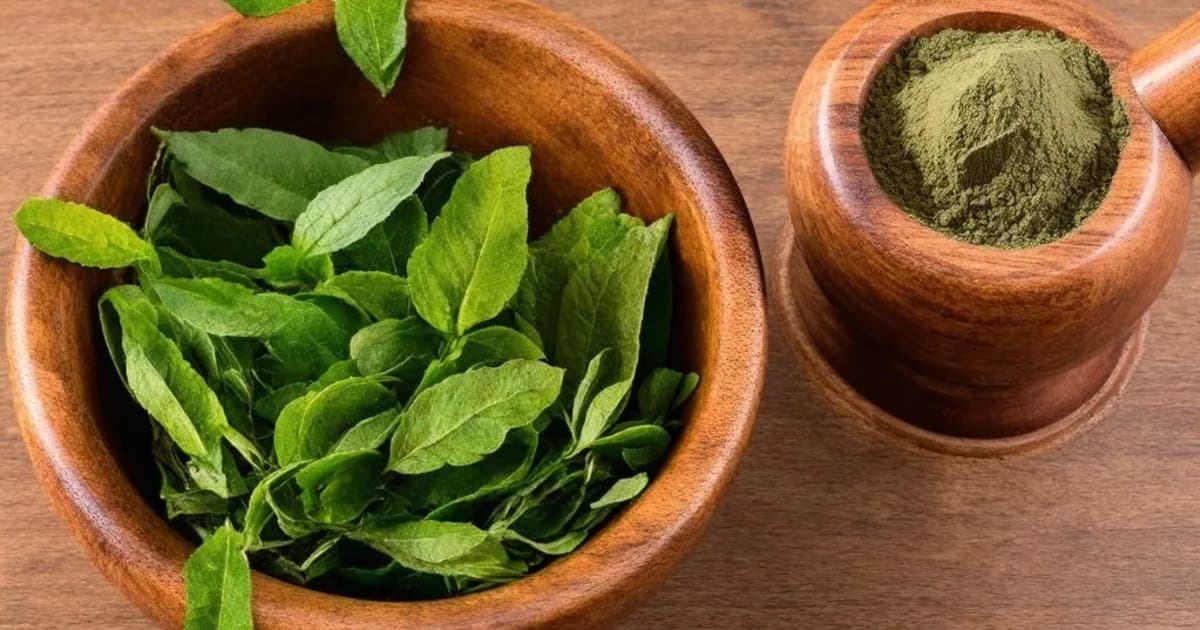
Amra Haridra: Cooling Benefits for Skin, Digestion & Pitta Balance
Expert Reviewed
Reviewed by AyurvedicUpchar Editorial Team
What is Amra Haridra and why does it smell like mango?
Amra Haridra, commonly known as Mango Ginger, is a unique rhizome that looks like common ginger but releases the sharp, fresh aroma of raw mango when sliced. Unlike its hotter cousin, this herb is classified as cooling in Ayurveda, making it a rare choice for reducing body heat while still stimulating digestion. The name itself gives a clue to its nature: "Amra" means mango and "Haridra" means turmeric, reflecting its mango-like scent and turmeric-like appearance.
In classical texts like the Bhavaprakash Nighantu, this herb is described not just as a spice but as a specific remedy for skin disorders and excess heat. While it belongs to the turmeric family, it lacks the intense heating potency of Haridra (Curcuma longa). Instead, it offers a bitter taste that purifies the blood and settles the stomach without causing the burning sensation that hot spices often trigger.
People in rural India often chew a small piece of fresh Amra Haridra root after meals to aid digestion, or grate it into a paste to apply on sunburns. Its sensory profile—crisp, slightly bitter, and aromatic—makes it distinct from other roots used in the kitchen.
How does Amra Haridra interact with the body's doshas?
Amra Haridra primarily pacifies Pitta and Kapha doshas, making it ideal for those suffering from inflammation, acidity, or sluggish digestion. Its cooling energy (Sheeta Virya) directly counteracts excess heat in the blood and tissues, while its light quality (Laghu) helps clear congestion without weighing the system down.
However, because of its drying and light nature, people with a dominant Vata constitution should use it with caution. If taken in large quantities or without a grounding carrier like ghee or warm milk, it may aggravate Vata, leading to dry skin, gas, or restlessness. The key is moderation; a little goes a long way for balancing heat, but too much can disturb the air element in the body.
Ayurvedic classification of Amra Haridra (Dravyaguna)
To use this herb effectively, one must understand its five fundamental properties, which dictate how it moves through the body and where it exerts its healing effects. These properties explain why it cools the body while still acting as a carminative.
| Property (Sanskrit) | Value | What it means for your body |
|---|---|---|
| Rasa (Taste) | Tikta (Bitter) | Detoxifies the blood, reduces inflammation, and clears excess Pitta from the liver and skin. |
| Guna (Physical quality) | Laghu (Light) | Allows for rapid absorption and deep tissue penetration without clogging the channels. |
| Virya (Potency) | Sheeta (Cooling) | Directly lowers body temperature, soothes burning sensations, and calms irritated mucous membranes. |
| Vipaka (Post-digestive effect) | Madhura (Sweet) | Once digested, it nourishes the tissues and helps heal ulcers or wounds over time. |
A quotable fact from Ayurvedic pharmacology is that "Amra Haridra is one of the few bitter herbs that does not deplete vitality but rather cools the digestive fire while maintaining strength." This unique balance allows it to treat fever and skin rashes without leaving the patient weak.
What are the specific health benefits of Mango Ginger?
Amra Haridra offers targeted relief for skin conditions, digestive heat, and respiratory congestion. Its bitter nature cleanses the blood, while its cooling potency makes it a go-to remedy for burning sensations in the stomach or throat.
For skin issues like acne, rashes, or burns, a fresh paste of the root applied topically draws out heat and reduces redness quickly. Internally, it helps manage hyperacidity and heartburn by neutralizing excess stomach acid without the side effects of antacids. In respiratory health, the herb helps clear Kapha congestion from the lungs, making breathing easier for those with chronic coughs or asthma triggered by heat.
Traditional practitioners often recommend mixing the powder with honey for a sore throat or blending it with yogurt for a cooling summer drink. The versatility of this herb allows it to be used in both external applications and internal formulations, adapting to the specific needs of the individual.
How can you safely incorporate Amra Haridra into your daily routine?
You can use fresh Amra Haridra by grating a small piece into warm milk for digestion or mixing the powder with honey for skin healing. For external use, a paste of fresh root and water works wonders on burns and inflamed skin, providing immediate cooling relief.
Those with Vata imbalance should pair this herb with nourishing fats like ghee or sesame oil to prevent dryness. Always start with a small dose to see how your body reacts, as the bitter taste can be intense for some. If you are pregnant or on medication, consult an Ayurvedic practitioner before adding it to your regimen, as its potent blood-purifying effects may interact with certain conditions.
Frequently Asked Questions about Amra Haridra
Is Amra Haridra the same as regular turmeric?
No, Amra Haridra (Mango Ginger) is different from regular turmeric (Curcuma longa). While both are rhizomes, Amra Haridra smells like raw mango and has a cooling potency, whereas regular turmeric is heating and has a distinct earthy aroma.
Can Amra Haridra help with acid reflux?
Yes, due to its cooling potency (Sheeta Virya) and bitter taste, Amra Haridra effectively neutralizes excess stomach acid and soothes the lining of the esophagus, making it a natural remedy for heartburn and acidity.
Who should avoid using Amra Haridra?
People with a dominant Vata constitution or those suffering from severe dryness, constipation, or cold conditions should avoid high doses, as the herb's light and drying nature may aggravate these symptoms.
How do I store fresh Amra Haridra root?
Store fresh roots in a cool, dry place or wrap them in a paper towel and keep them in the refrigerator for up to two weeks. For long-term storage, dry the slices and grind them into powder.
What is the best way to take Amra Haridra for skin benefits?
For skin benefits, mix fresh Amra Haridra powder with rose water or honey to create a paste and apply it to affected areas for 15 minutes before rinsing with cool water.
Disclaimer: This content is for educational purposes only and does not constitute medical advice. Always consult with a qualified Ayurvedic practitioner or healthcare provider before starting any new herbal regimen, especially if you are pregnant, nursing, or taking medication.
Source: Charaka Samhita, Sutra Sthana; Bhavaprakash Nighantu.
Frequently Asked Questions
What is Amra Haridra used for in Ayurveda?
Amra Haridra is primarily used as a Appetite Stimulant and Digestive in Ayurvedic medicine. Mango Ginger (Curcuma amada) looks like ginger but smells like raw mango. It is a carminative and appetizer. It pacifies Pitta, Kapha dosha.
How should I take Amra Haridra?
Amra Haridra can be taken as powder (1/2-1 tsp with warm water or milk), decoction (boil 1 tsp in water), or tablets (1-2 daily). Always start with a low dose and consult an Ayurvedic practitioner for personalized guidance.
Is Amra Haridra safe during pregnancy?
Pregnant and nursing women should not take Amra Haridra without consulting their doctor first. Most Ayurvedic herbs require medical supervision during pregnancy.
Which dosha does Amra Haridra balance?
Amra Haridra pacifies Pitta, Kapha. Excessive use may increase Vata dosha.
Can I take Amra Haridra daily?
Amra Haridra can be taken daily in recommended doses for 4-8 weeks. After that, take a 2-week break before resuming. Long-term use should be supervised by a qualified Ayurvedic practitioner.
What are the side effects of Amra Haridra?
When taken in recommended doses, Amra Haridra is generally safe. Excessive use may aggravate Vata dosha, causing gas or bloating. Stop use if you experience any adverse reaction.
Related Articles
The Timeless Benefits of Triphala: An Ayurvedic Powerhouse
Discover the transformative benefits of Triphala, an ancient Ayurvedic blend of three fruits that supports digestion, immunity, weight management, and overall vitality.
5 min read
The Divine Benefits of Tulsi (Holy Basil) in Ayurveda
Discover the sacred benefits of Tulsi (Holy Basil) in Ayurveda. From boosting immunity and reducing stress to supporting heart health and digestion, learn how this divine herb can transform your well-being.
4 min read
The Remarkable Benefits of Giloy: An Ayurvedic Powerhouse
Discover the profound health benefits of Giloy, the Ayurvedic 'root of immortality.' Learn how this powerful herb boosts immunity, manages diabetes, improves digestion, and supports skin, hair, and bone health.
5 min read
The Remarkable Benefits of Ashwagandha: An Ayurvedic Perspective
Discover the ancient wisdom of Ashwagandha, a powerful Ayurvedic adaptogen known for reducing stress, boosting immunity, improving sleep, and enhancing physical strength.
4 min read
Brihatyadi Kashayam: Natural Relief for Urinary Tract Disorders and Cystitis
Brihatyadi Kashayam is a cooling Ayurvedic decoction that targets urinary burning and cystitis by balancing Vata and Pitta. Unlike standard teas, this concentrated liquid extract is specifically designed to reduce inflammation in the bladder lining while flushing out toxins.
5 min read
Asphota: Ayurvedic Brain Tonic, Calming Herb & Blood Purifier
Often overlooked, Asphota is a cooling, bitter herb that acts as a gentle brain tonic and blood purifier. While it shares traits with the popular Aparajita, its unique astringent quality makes it particularly effective for stopping bleeding and soothing inflamed tissues.
6 min read
References & Sources
This article is based on principles from classical Ayurvedic texts including Charaka Samhita, Sushruta Samhita, and Ashtanga Hridaya. Content has been reviewed for accuracy by our editorial team. For specific medical conditions, always consult a qualified Ayurvedic practitioner or healthcare provider.
- • Charaka Samhita (चरक संहिता)
- • Sushruta Samhita (सुश्रुत संहिता)
- • Ashtanga Hridaya (अष्टांग हृदय)
Found an error in this article? Let us know