
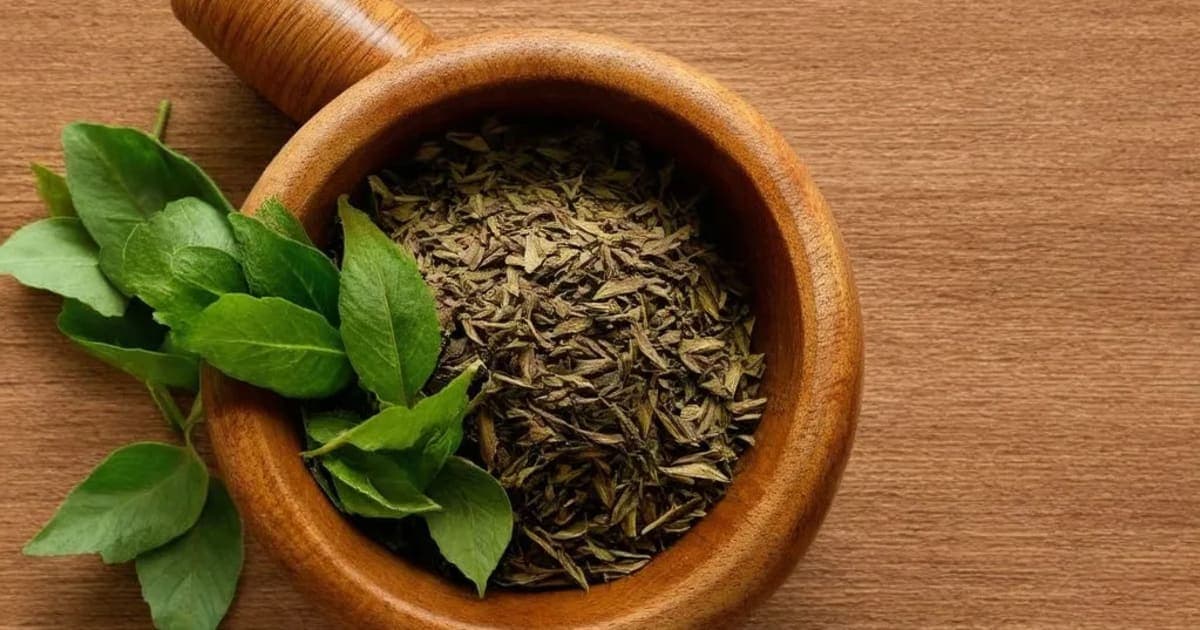
Alarka Herb: Traditional Uses for Skin Health and Vata-Kapha Balance
Expert Reviewed
Reviewed by AyurvedicUpchar Editorial Team
What is Alarka in Ayurveda?
Alarka, the white-flowered variety of Calotropis procera, is a potent Ayurvedic herb historically used to clear deep-seated toxins and heal stubborn skin conditions. Unlike modern supplements, this plant is traditionally prepared as a specialized paste or a carefully calculated powder, never consumed casually due to its intense potency. In classical texts like the Bhavaprakash Nighantu, Alarka is described as a 'Vishaghna' (poison-destroyer) and 'Kushthaghna' (skin disease destroyer), highlighting its role in treating chronic ailments that other herbs cannot reach.
When you encounter Alarka in a traditional setting, you notice its sharp, pungent smell and bitter taste immediately. This specific flavor profile—Katu (pungent) and Tikta (bitter)—signals its ability to cut through mucus and dry out excess moisture in the body. It is not a gentle tonic; it is a heavy-duty tool for practitioners who understand how to harness its heating energy to ignite digestive fire (Agni) and clear blocked channels.
How does Alarka interact with the body's doshas?
Alarka primarily pacifies Vata and Kapha doshas while potentially aggravating Pitta if used without strict supervision. This means it is highly effective for conditions caused by cold, dry, or heavy qualities in the body, such as joint stiffness, chronic constipation, or thick, stagnant mucus.
Because the herb carries a heating potency (Ushna Virya), individuals with a dominant Pitta constitution or active inflammation must approach it with extreme caution. Using Alarka when Pitta is already high can lead to burning sensations, skin rashes, or acute acidity. The rule of thumb in classical practice is simple: if the body is already hot or inflamed, this herb is not the remedy.
"Alarka acts like a surgical knife in Ayurveda; its sharp (Tikshna) quality penetrates deep tissues to remove blockages that lighter herbs cannot touch, but it requires the steady hand of an experienced practitioner to avoid harming the delicate tissues of the gut."
What are the specific Ayurvedic properties of Alarka?
The therapeutic action of Alarka is defined by five core properties that determine how it moves through your system. These properties explain why it is chosen for specific ailments and why it is never used as a daily food supplement. Understanding this pharmacological profile is essential for anyone studying Dravyaguna Shastra.
| Property (Sanskrit) | Value | What it means for your body |
|---|---|---|
| Rasa (Taste) | Katu, Tikta | Pungent and Bitter tastes stimulate metabolism, clear respiratory channels, and purify the blood. |
| Guna (Quality) | Laghu, Tikshna | Light and Sharp qualities allow the herb to penetrate deep into tissues and move quickly through the body. |
| Virya (Potency) | Ushna | Hot energy heats the body, improves circulation, and kindles the digestive fire to burn toxins. |
| Vipaka (Post-digestive) | Katu | The pungent after-effect ensures the herb continues to clear congestion long after digestion is complete. |
| Prabhava (Special Action) | Vishaghna, Kushthaghna | Unique ability to neutralize toxins and cure chronic, difficult skin diseases like leprosy or eczema. |
How is Alarka traditionally used in home remedies?
Traditional use of Alarka focuses on external applications for skin diseases and highly controlled internal doses for severe Vata disorders. You will rarely find a grandmother giving Alarka tea to a child; instead, the latex or leaf paste is often mixed with mustard oil and applied to swollen joints or stubborn skin patches to draw out deep inflammation.
For internal use, the dried root bark or leaves are ground into a fine powder. A practitioner might mix a tiny amount (often less than 125 mg) with honey or ghee to mask the bitterness and direct the herb's action. This specific method of preparation helps the body absorb the sharp properties without irritating the stomach lining. Remember, the dose makes the poison with this herb; what heals a chronic skin condition can harm a healthy stomach if the quantity is wrong.
Signs you might benefit from Alarka
You may need Alarka if you suffer from symptoms of severe Kapha accumulation, such as thick white phlegm that won't clear, heavy feeling in the chest, or joints that feel stiff and cold. Similarly, if Vata is causing deep, gnawing pain in the bones or chronic constipation that doesn't respond to mild laxatives, this herb's sharp, heating nature can provide relief. However, if you feel burning in your stomach, have a fever, or notice red rashes, these are signs that your Pitta is high, and Alarka should be avoided immediately.
Frequently Asked Questions about Alarka
Is Alarka safe for daily consumption?
No, Alarka is not safe for daily consumption due to its potent purgative and toxic properties. It is strictly used in specific, low-dose formulations under the guidance of a qualified Ayurvedic practitioner.
Can Alarka cure chronic skin diseases?
Yes, classical texts like the Charaka Samhita cite Alarka as a primary treatment for chronic skin conditions (Kushtha) because of its ability to detoxify the blood and eliminate deep-seated toxins.
What happens if I take too much Alarka?
Overdose can cause severe vomiting, diarrhea, burning sensations in the throat and stomach, and potentially life-threatening heart irregularities. Always adhere to the exact dosage prescribed by a professional.
Which dosha does Alarka aggravate?
Alarka aggravates Pitta dosha. People with high Pitta, such as those with inflammatory conditions, ulcers, or sensitive skin, should avoid this herb.
How is Alarka different from regular Arka?
While both are varieties of Calotropis, Alarka specifically refers to the white-flowered variety often highlighted in classical texts for its superior skin-healing and purgative capabilities compared to other regional varieties.
Medical Disclaimer: Alarka (Calotropis procera) is a potent medicinal herb with significant toxicity risks if used incorrectly. The information provided here is for educational purposes only and does not constitute medical advice. Do not attempt to prepare or consume Alarka without the direct supervision of a licensed Ayurvedic physician. Improper use can lead to severe adverse reactions.
Frequently Asked Questions
What is Alarka used for in Ayurveda?
Alarka is primarily used as a Skin Healer and Purgative in Ayurvedic medicine. Calotropis procera is a white-flowered variety of Arka, sharing its potent purgative and skin-healing properties. It pacifies Vata, Kapha dosha.
How should I take Alarka?
Alarka can be taken as powder (1/2-1 tsp with warm water or milk), decoction (boil 1 tsp in water), or tablets (1-2 daily). Always start with a low dose and consult an Ayurvedic practitioner for personalized guidance.
Is Alarka safe during pregnancy?
Pregnant and nursing women should not take Alarka without consulting their doctor first. Most Ayurvedic herbs require medical supervision during pregnancy.
Which dosha does Alarka balance?
Alarka pacifies Vata, Kapha. Excessive use may increase Pitta dosha.
Can I take Alarka daily?
Alarka can be taken daily in recommended doses for 4-8 weeks. After that, take a 2-week break before resuming. Long-term use should be supervised by a qualified Ayurvedic practitioner.
What are the side effects of Alarka?
When taken in recommended doses, Alarka is generally safe. Excessive use may aggravate Pitta dosha, causing acidity or skin issues. Stop use if you experience any adverse reaction.
Related Articles
The Timeless Benefits of Triphala: An Ayurvedic Powerhouse
Discover the transformative benefits of Triphala, an ancient Ayurvedic blend of three fruits that supports digestion, immunity, weight management, and overall vitality.
5 min read
The Divine Benefits of Tulsi (Holy Basil) in Ayurveda
Discover the sacred benefits of Tulsi (Holy Basil) in Ayurveda. From boosting immunity and reducing stress to supporting heart health and digestion, learn how this divine herb can transform your well-being.
4 min read
The Remarkable Benefits of Giloy: An Ayurvedic Powerhouse
Discover the profound health benefits of Giloy, the Ayurvedic 'root of immortality.' Learn how this powerful herb boosts immunity, manages diabetes, improves digestion, and supports skin, hair, and bone health.
5 min read
The Remarkable Benefits of Ashwagandha: An Ayurvedic Perspective
Discover the ancient wisdom of Ashwagandha, a powerful Ayurvedic adaptogen known for reducing stress, boosting immunity, improving sleep, and enhancing physical strength.
4 min read
Brihatyadi Kashayam: Natural Relief for Urinary Tract Disorders and Cystitis
Brihatyadi Kashayam is a cooling Ayurvedic decoction that targets urinary burning and cystitis by balancing Vata and Pitta. Unlike standard teas, this concentrated liquid extract is specifically designed to reduce inflammation in the bladder lining while flushing out toxins.
5 min read
Asphota: Ayurvedic Brain Tonic, Calming Herb & Blood Purifier
Often overlooked, Asphota is a cooling, bitter herb that acts as a gentle brain tonic and blood purifier. While it shares traits with the popular Aparajita, its unique astringent quality makes it particularly effective for stopping bleeding and soothing inflamed tissues.
6 min read
References & Sources
This article is based on principles from classical Ayurvedic texts including Charaka Samhita, Sushruta Samhita, and Ashtanga Hridaya. Content has been reviewed for accuracy by our editorial team. For specific medical conditions, always consult a qualified Ayurvedic practitioner or healthcare provider.
- • Charaka Samhita (चरक संहिता)
- • Sushruta Samhita (सुश्रुत संहिता)
- • Ashtanga Hridaya (अष्टांग हृदय)
Found an error in this article? Let us know