
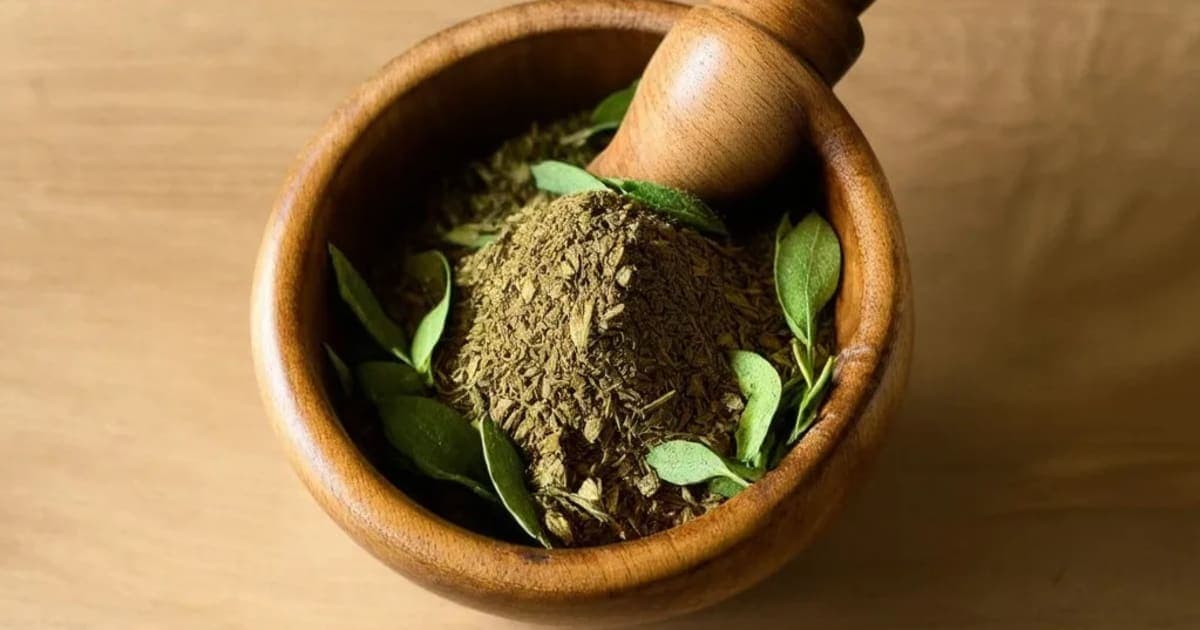
Alabu: Cooling Benefits, Dosha Balance & Ayurvedic Uses
Expert Reviewed
Reviewed by AyurvedicUpchar Editorial Team
What is Alabu?
Alabu, commonly known as bottle gourd or lauki, is a cooling vegetable prized in Ayurveda for its ability to soothe inflammation and calm an overheated constitution. This pale green gourd, often grown on trellises in Indian courtyards, offers a mild, slightly sweet flavor that feels refreshing rather than heavy on the palate.
Classical texts like the Charaka Samhita describe Alabu as a Sheeta Virya (cooling potency) herb that primarily pacifies Pitta dosha. When you simmer the fresh flesh into a light soup or grate it into a savory mash, you are utilizing a food that has served as a cornerstone of convalescent diets for centuries.
The magic of Alabu lies in its Madhura (sweet) taste, which builds tissue without generating excess heat. Unlike sugary sweets that can clog channels, this vegetable sweetness nourishes while simultaneously cooling irritated tissues, making it a go-to remedy for summer heat or acidic conditions.
What are the Ayurvedic properties of Alabu?
Alabu is defined by its heavy and dry qualities combined with a cold potency, creating a unique profile that cools the body while requiring strong digestion to process. Understanding these specific pharmacological markers helps you decide whether this gourd suits your current state of health or if it might aggravate existing imbalances.
| Property (Sanskrit) | Value | What it means for your body |
|---|---|---|
| Rasa (Taste) | Madhura (Sweet) | Nourishing and tissue-building; calms the mind and reduces burning sensations. |
| Guna (Quality) | Guru, Ruksha | Heavy and Dry; provides sustenance but can feel dense if digestion is weak. |
| Virya (Potency) | Sheeta | Cooling; immediately reduces internal heat, inflammation, and thirst. |
| Vipaka (Post-digestive) | Madhura | Sweet; the long-term effect promotes grounding and tissue repair after metabolism. |
Because Alabu possesses Guru (heavy) qualities alongside its cooling nature, it digests slowly. This is why grandmothers often insist on adding black pepper, ginger, or cumin when cooking bottle gourd; these spices ignite the digestive fire to handle the gourd's density, preventing the formation of Ama (toxins) in the gut.
Which dosha does Alabu balance?
Alabu primarily balances Pitta dosha, making it an ideal dietary choice for anyone suffering from excess heat, acidity, or inflammatory skin conditions. Its cooling energy directly counteracts the sharp, hot nature of aggravated Pitta, bringing quick relief to symptoms like heartburn, red eyes, or a short temper.
While excellent for Pitta, those with high Vata or Kapha should approach Alabu with caution. The heavy and dry qualities can increase Vata if eaten raw or in excess, leading to bloating, while the same heaviness may slow down a Kapha-dominant system, causing lethargy or water retention.
How do you know if you need Alabu?
You likely need Alabu if you experience burning sensations in the stomach, frequent acid reflux, or skin rashes that worsen with heat. Other signs include irritability, excessive thirst, or feeling unusually hot even in moderate weather, all indicating that your internal cooling mechanisms need support.
In practical terms, if you feel your temper flaring up over small things or your skin feels tight and inflamed after a spicy meal, a bowl of spiced bottle gourd soup can act as a gentle fire extinguisher for your system.
What are the specific health benefits of Alabu?
Alabu acts as a Mutral (diuretic) and Shothahara (anti-inflammatory), helping the body flush out excess fluids and reduce swelling in the tissues. By promoting urine flow, it clears heat from the urinary tract, making it useful for burning urination or mild urinary tract discomfort.
The high water content and cooling nature also make it exceptional for managing summer fevers or recovery after illness. When the body is weak and hot, Alabu provides hydration and nutrition without forcing the digestive system to work overtime, allowing energy to redirect toward healing.
A quotable fact from Ayurvedic observation is that Alabu's juice, when taken fresh with a pinch of cardamom, can rapidly reduce burning sensations in the palms and soles, a classic sign of Pitta imbalance.
Frequently Asked Questions
Is bottle gourd good for acid reflux?
Yes, bottle gourd is highly effective for acid reflux because its cooling potency neutralizes excess stomach acid and soothes the esophageal lining. Cooking it with mild spices like fennel or coriander enhances this effect without triggering further heat.
Can I eat Alabu if I have high Vata?
You can eat Alabu with high Vata if you cook it thoroughly with warming spices like ginger, black pepper, and ghee to offset its heavy and dry qualities. Avoid eating it raw or in large quantities, as this may increase bloating and gas.
Does Alabu help with weight loss?
Alabu can support weight loss in Kapha types due to its low calorie count and diuretic action, which reduces water retention. However, because it is heavy to digest, it should be eaten in moderation and never cold or raw if your metabolism is slow.
What is the best way to cook Alabu for digestion?
The best way to cook Alabu for digestion is to simmer it until very soft with digestive spices like cumin, turmeric, and asafoetida (hing). Avoid deep frying, as this adds unnecessary oil that can mask its natural cooling and lightening benefits.
Frequently Asked Questions
What is Alabu used for in Ayurveda?
Alabu is primarily used as a Heart Tonic and Strength Promoter in Ayurvedic medicine. Bottle Gourd is a cooling, calming vegetable that is very easy to digest, making it ideal for convalescence. It pacifies Pitta dosha.
How should I take Alabu?
Alabu can be taken as powder (1/2-1 tsp with warm water or milk), decoction (boil 1 tsp in water), or tablets (1-2 daily). Always start with a low dose and consult an Ayurvedic practitioner for personalized guidance.
Is Alabu safe during pregnancy?
Pregnant and nursing women should not take Alabu without consulting their doctor first. Most Ayurvedic herbs require medical supervision during pregnancy.
Which dosha does Alabu balance?
Alabu pacifies Pitta. Excessive use may increase Vata, Kapha dosha.
Can I take Alabu daily?
Alabu can be taken daily in recommended doses for 4-8 weeks. After that, take a 2-week break before resuming. Long-term use should be supervised by a qualified Ayurvedic practitioner.
What are the side effects of Alabu?
When taken in recommended doses, Alabu is generally safe. Excessive use may aggravate Vata, Kapha dosha, causing gas or bloating. Stop use if you experience any adverse reaction.
Related Articles
The Timeless Benefits of Triphala: An Ayurvedic Powerhouse
Discover the transformative benefits of Triphala, an ancient Ayurvedic blend of three fruits that supports digestion, immunity, weight management, and overall vitality.
5 min read
The Divine Benefits of Tulsi (Holy Basil) in Ayurveda
Discover the sacred benefits of Tulsi (Holy Basil) in Ayurveda. From boosting immunity and reducing stress to supporting heart health and digestion, learn how this divine herb can transform your well-being.
4 min read
The Remarkable Benefits of Giloy: An Ayurvedic Powerhouse
Discover the profound health benefits of Giloy, the Ayurvedic 'root of immortality.' Learn how this powerful herb boosts immunity, manages diabetes, improves digestion, and supports skin, hair, and bone health.
5 min read
The Remarkable Benefits of Ashwagandha: An Ayurvedic Perspective
Discover the ancient wisdom of Ashwagandha, a powerful Ayurvedic adaptogen known for reducing stress, boosting immunity, improving sleep, and enhancing physical strength.
4 min read
Brihatyadi Kashayam: Natural Relief for Urinary Tract Disorders and Cystitis
Brihatyadi Kashayam is a cooling Ayurvedic decoction that targets urinary burning and cystitis by balancing Vata and Pitta. Unlike standard teas, this concentrated liquid extract is specifically designed to reduce inflammation in the bladder lining while flushing out toxins.
5 min read
Asphota: Ayurvedic Brain Tonic, Calming Herb & Blood Purifier
Often overlooked, Asphota is a cooling, bitter herb that acts as a gentle brain tonic and blood purifier. While it shares traits with the popular Aparajita, its unique astringent quality makes it particularly effective for stopping bleeding and soothing inflamed tissues.
6 min read
References & Sources
This article is based on principles from classical Ayurvedic texts including Charaka Samhita, Sushruta Samhita, and Ashtanga Hridaya. Content has been reviewed for accuracy by our editorial team. For specific medical conditions, always consult a qualified Ayurvedic practitioner or healthcare provider.
- • Charaka Samhita (चरक संहिता)
- • Sushruta Samhita (सुश्रुत संहिता)
- • Ashtanga Hridaya (अष्टांग हृदय)
Found an error in this article? Let us know