
Akika Pishti: Natural Heart Tonic & Pitta Balancer in Ayurveda
Expert Reviewed
Reviewed by AyurvedicUpchar Editorial Team
What is Akika Pishti and how is it prepared?
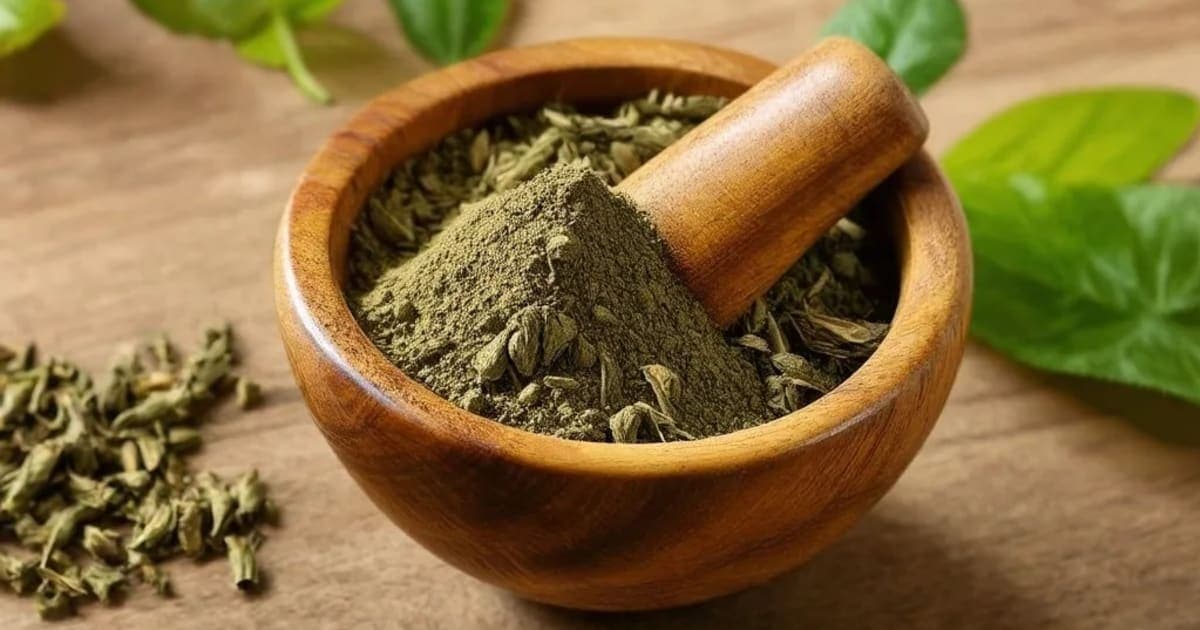
Akika Pishti is a fine, white powder made from purified agate stone that serves as a gentle heart tonic and cooling remedy in Ayurveda. It is not a plant but a mineral preparation created by grinding the gemstone into a dust so fine it feels like flour, then mixing it with rose water or milk to neutralize any potential toxicity. This process, known as Pishtikarana, transforms the hard stone into a bioavailable medicine that the body can absorb easily.
Historically, this preparation appears in classical texts like the Bhavaprakash Nighantu, where it is described specifically for conditions involving heat and blood. The preparation requires patience; the stone is often washed in specific herbal decoctions before the final grinding to ensure it is safe for internal use. When you hold a pinch of Akika Pishti, it feels silky and cool, a sensory clue to its Sheeta Virya (cooling potency) that makes it ideal for summer ailments or fevers.
"Akika Pishti is a mineral-based Ayurvedic formulation where purified agate is processed into a fine powder to treat heart disorders, bleeding conditions, and severe acidity without irritating the stomach lining."
How does Akika Pishti affect the body's doshas?
Akika Pishti primarily pacifies Pitta dosha due to its sweet taste and cooling energy, making it a go-to remedy for inflammation and heat-related disorders. While it soothes the burning sensations of high Pitta, it must be used with caution by those with Vata or Kapha imbalances, as its dry and heavy qualities can worsen congestion or dryness if taken in excess.
The herb works by grounding the fiery nature of Pitta. When a person feels irritable, overheated, or experiences burning sensations in the chest or stomach, Akika Pishti acts like a cool breeze, settling the internal fire. However, because it is dry and heavy, long-term use without a practitioner's guidance can lead to sluggish digestion in Kapha types or joint stiffness in Vata types. It is best used as a targeted treatment for acute heat rather than a daily supplement for everyone.
Who benefits most from taking Akika Pishti?
Individuals experiencing symptoms of aggravated Pitta, such as frequent acid reflux, skin rashes, nosebleeds, or a rapid heartbeat, find the most relief with Akika Pishti. It is particularly effective for those who feel physically hot, sweat excessively, or have a history of inflammatory conditions that flare up in warm weather.
What are the main health benefits of Akika Pishti?
Akika Pishti is most effective for treating heart palpitations, controlling bleeding disorders, and soothing severe acidity or hyperacidity. Its unique ability to cool the blood and strengthen the heart muscle makes it a valuable addition to formulations for anxiety-driven heart issues and hemorrhagic conditions.
In practice, this remedy is often given to patients who feel a fluttering sensation in the chest or who have a tendency to bleed easily from minor injuries. The sweet taste nourishes the tissues while the cooling potency reduces the inflammation causing the bleeding. Unlike harsh chemical antacids, Akika Pishti works by correcting the underlying heat that causes the stomach to produce too much acid. It is also traditionally used to calm the mind during episodes of anger or sudden fear, which often trigger heart symptoms.
How to take Akika Pishti safely and effectively
For best results, Akika Pishti is usually mixed with a cool carrier like milk, ghee, or honey, depending on the specific condition being treated. A common household method involves mixing a small pinch (125-250 mg) with a teaspoon of rose water and a few drops of honey to create a paste, which is then swallowed. This method enhances the cooling effect and helps the powder adhere to the stomach lining to neutralize acid. It is rarely taken with hot water or spicy foods, as these would counteract its cooling nature. Always consult an Ayurvedic practitioner to determine the correct dosage, as the potency depends on the purity of the stone used.
Ayurvedic properties of Akika Pishti (Dravyaguna)
The therapeutic action of Akika Pishti is defined by five core properties that dictate how it interacts with your tissues and digestion. Understanding these helps explain why it cools the body while simultaneously nourishing it.
| Property (Sanskrit) | Value | What it means for your body |
|---|---|---|
| Rasa (Taste) | Madhura (Sweet) | Nourishes tissues, builds strength, and has a calming effect on the nervous system. |
| Guna (Quality) | Ruksha (Dry) | Helps absorb excess moisture and fluids, but can cause dryness if overused. |
| Virya (Potency) | Sheeta (Cooling) | Directly reduces body heat, inflammation, and burning sensations in the gut and blood. |
| Vipaka (Post-digestive effect) | Madhura (Sweet) | Leaves a sweet, nourishing residue after digestion, supporting tissue repair over time. |
| Prabhava (Specific action) | Hridya (Cardiotonic) | Exerts a specific beneficial effect on the heart muscle and blood vessels beyond its general taste. |
Frequently Asked Questions about Akika Pishti
Is Akika Pishti safe for daily use?
Akika Pishti is generally safe for short-term use to treat acute symptoms like heartburn or palpitations, but it is not recommended for daily long-term use without supervision. Its dry and heavy qualities can accumulate in the body, potentially causing constipation or lethargy if taken continuously by people with Kapha or Vata constitutions.
Can Akika Pishti cure heart disease?
While Akika Pishti is a powerful cardiotonic that helps manage symptoms like palpitations and anxiety, it is not a standalone cure for structural heart disease. It works best as part of a broader Ayurvedic protocol that includes diet, lifestyle changes, and other herbs like Arjuna or Ashwagandha for comprehensive heart health.
What is the difference between Akika Pishti and other gem powders?
Akika Pishti is specifically made from agate and is unique for its strong cooling and blood-coagulating properties, whereas other gem powders like Praval Pishti (coral) are primarily used for calcium deficiency and bone health. Akika is the preferred choice when the primary issue involves excess heat, bleeding, or heart irritation.
How should I store Akika Pishti at home?
Store Akika Pishti in an airtight glass container in a cool, dry place away from direct sunlight to maintain its potency and prevent moisture absorption. Because it is a fine powder, it can easily absorb humidity from the air, which may cause it to clump or lose its efficacy over time.
Important Safety Precautions
While Akika Pishti is a natural remedy, it is a potent mineral preparation that requires respect and caution. Never self-prescribe high doses, as the purity of the stone and the grinding process are critical for safety. If you are pregnant, nursing, or taking blood-thinning medication, consult a qualified Ayurvedic doctor before use, as the herb's effect on blood flow may interact with pharmaceuticals. Discontinue use immediately if you experience increased bloating, constipation, or a feeling of heaviness in the chest.
Disclaimer: This article is for informational purposes only and does not constitute medical advice. Ayurvedic treatments should be personalized by a qualified practitioner based on your unique constitution (Prakriti) and current state of imbalance (Vikriti).
Frequently Asked Questions
What is Akika Pishti used for in Ayurveda?
Akika Pishti is primarily used as a Heart Tonic and Raktastambhana in Ayurvedic medicine. Processed Agate gem is a potent cardiotonic and Pitta pacifier, used for heart health and bleeding disorders. It pacifies Pitta dosha.
How should I take Akika Pishti?
Akika Pishti can be taken as powder (1/2-1 tsp with warm water or milk), decoction (boil 1 tsp in water), or tablets (1-2 daily). Always start with a low dose and consult an Ayurvedic practitioner for personalized guidance.
Is Akika Pishti safe during pregnancy?
Pregnant and nursing women should not take Akika Pishti without consulting their doctor first. Most Ayurvedic herbs require medical supervision during pregnancy.
Which dosha does Akika Pishti balance?
Akika Pishti pacifies Pitta. Excessive use may increase Vata, Kapha dosha.
Can I take Akika Pishti daily?
Akika Pishti can be taken daily in recommended doses for 4-8 weeks. After that, take a 2-week break before resuming. Long-term use should be supervised by a qualified Ayurvedic practitioner.
What are the side effects of Akika Pishti?
When taken in recommended doses, Akika Pishti is generally safe. Excessive use may aggravate Vata, Kapha dosha, causing gas or bloating. Stop use if you experience any adverse reaction.
Related Articles
The Timeless Benefits of Triphala: An Ayurvedic Powerhouse
Discover the transformative benefits of Triphala, an ancient Ayurvedic blend of three fruits that supports digestion, immunity, weight management, and overall vitality.
5 min read
The Divine Benefits of Tulsi (Holy Basil) in Ayurveda
Discover the sacred benefits of Tulsi (Holy Basil) in Ayurveda. From boosting immunity and reducing stress to supporting heart health and digestion, learn how this divine herb can transform your well-being.
4 min read
The Remarkable Benefits of Giloy: An Ayurvedic Powerhouse
Discover the profound health benefits of Giloy, the Ayurvedic 'root of immortality.' Learn how this powerful herb boosts immunity, manages diabetes, improves digestion, and supports skin, hair, and bone health.
5 min read
The Remarkable Benefits of Ashwagandha: An Ayurvedic Perspective
Discover the ancient wisdom of Ashwagandha, a powerful Ayurvedic adaptogen known for reducing stress, boosting immunity, improving sleep, and enhancing physical strength.
4 min read
Brihatyadi Kashayam: Natural Relief for Urinary Tract Disorders and Cystitis
Brihatyadi Kashayam is a cooling Ayurvedic decoction that targets urinary burning and cystitis by balancing Vata and Pitta. Unlike standard teas, this concentrated liquid extract is specifically designed to reduce inflammation in the bladder lining while flushing out toxins.
5 min read
Asphota: Ayurvedic Brain Tonic, Calming Herb & Blood Purifier
Often overlooked, Asphota is a cooling, bitter herb that acts as a gentle brain tonic and blood purifier. While it shares traits with the popular Aparajita, its unique astringent quality makes it particularly effective for stopping bleeding and soothing inflamed tissues.
6 min read
References & Sources
This article is based on principles from classical Ayurvedic texts including Charaka Samhita, Sushruta Samhita, and Ashtanga Hridaya. Content has been reviewed for accuracy by our editorial team. For specific medical conditions, always consult a qualified Ayurvedic practitioner or healthcare provider.
- • Charaka Samhita (चरक संहिता)
- • Sushruta Samhita (सुश्रुत संहिता)
- • Ashtanga Hridaya (अष्टांग हृदय)
Found an error in this article? Let us know