
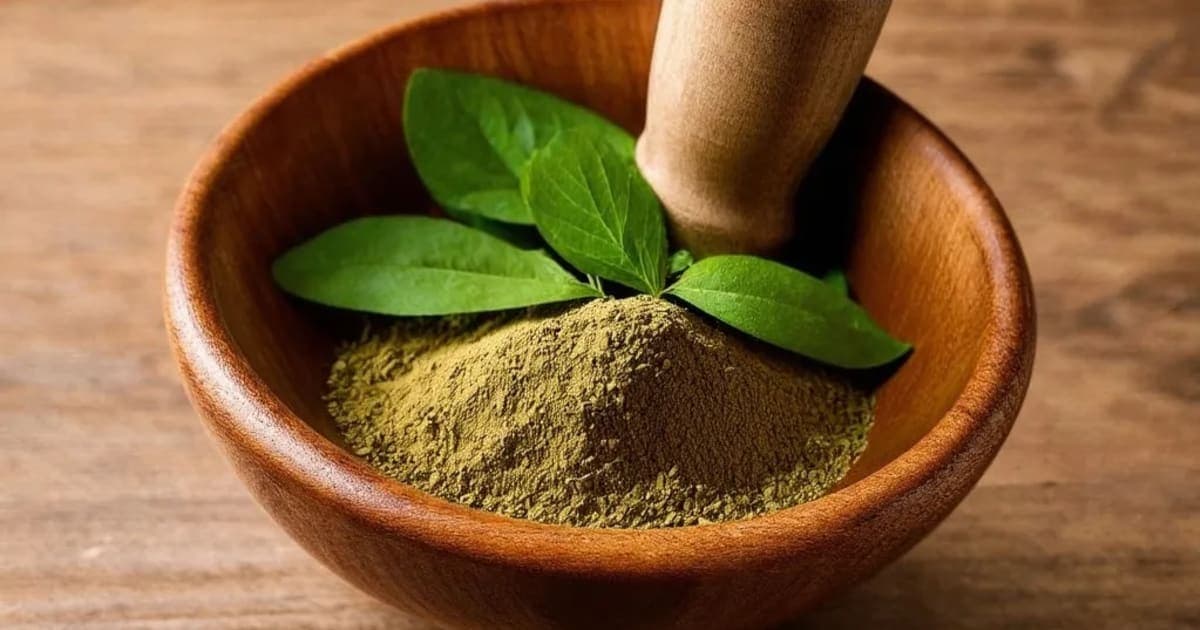
Adhaki (Pigeon Pea): Cooling Relief for Pitta and Kapha Imbalances
Expert Reviewed
Reviewed by AyurvedicUpchar Editorial Team
What is Adhaki in Ayurveda?
Adhaki, known widely as the Pigeon Pea or Tur Dal, is a staple legume in Indian kitchens that acts as a cooling, tissue-nourishing food rather than just a source of protein. Unlike many other lentils that can be heavy or difficult to digest, Adhaki is light, dry, and specifically valued for its ability to soothe excess heat and clear mucus without weighing down the stomach.
In the classical Ayurvedic text Charaka Samhita, Adhaki is recognized not merely as a dietary item but as a medicinal substance (Dravya) with the power to balance the body's internal fire. A defining characteristic of this legume is its unique energy profile: while it tastes sweet and astringent, its post-digestive effect is pungent, creating a complex interaction that cools the blood initially but stimulates digestion later. This specific combination makes it a go-to remedy for inflammatory skin conditions and excess body heat.
When you cook Adhaki, you are preparing a food that is naturally dry to the touch and light in texture. Grandmothers often insist on adding a pinch of asafoetida (hing) and cumin while cooking to ensure it does not cause gas, a practical tip that bridges the gap between its light nature and the potential for Vata aggravation if eaten alone.
What are the Ayurvedic properties of Adhaki?
Adhaki is classified as a cooling, light, and dry herb that pacifies Pitta and Kapha doshas while potentially aggravating Vata if consumed in excess. Its therapeutic power lies in the balance between its sweet, nourishing taste and its drying, astringent qualities that help heal wounds and stop bleeding.
To understand exactly how this legume interacts with your physiology, we look to the five fundamental properties defined in Dravyaguna Shastra. These properties explain why a bowl of yellow dal can calm a feverish body while simultaneously tightening loose tissues.
| Property (Sanskrit) | Value | What it means for your body |
|---|---|---|
| Rasa (Taste) | Madhura, Kashaya | Provides deep nourishment and calms the mind; simultaneously dries excess moisture and promotes healing of ulcers or wounds. |
| Guna (Physical Quality) | Laghu, Ruksha | Light and Dry; ensures rapid absorption and prevents the formation of heavy, sticky mucus in the tissues. |
| Virya (Potency) | Sheeta | Cooling; directly reduces inflammation, burns, and the burning sensation associated with high Pitta. |
| Vipaka (Post-digestive Effect) | Katu | Pungent; after digestion, it stimulates the metabolic fire (Agni) and helps clear toxins from the lower channels. |
This table is not just theoretical; it dictates how you should prepare the herb. Because Adhaki is Ruksha (dry) and Laghu (light), it is rarely eaten plain. In traditional homes, it is always cooked with ghee or coconut milk to add the necessary moisture and grounding fats that prevent the dryness from irritating a sensitive digestive tract.
Which doshas does Adhaki balance and aggravate?
Adhaki primarily balances the Pitta and Kapha doshas, making it an ideal food for those suffering from acidity, skin rashes, or excessive mucus, but it can aggravate Vata if eaten without oily or grounding companions.
The mechanism is straightforward: the Sheeta (cooling) potency directly counteracts the heat of Pitta, while the Kashaya (astringent) taste reduces the fluidity and heaviness of Kapha. However, the same drying quality that clears Kapha can deplete the lubrication required by Vata. A person with a Vata constitution who eats large portions of plain Adhaki may experience bloating, constipation, or dry skin because the legume pulls moisture away from the tissues.
To safely use Adhaki for balancing doshas, observe your body's reaction. If you feel light and your skin clears up, it is working for your Pitta or Kapha. If you feel jittery, gassy, or your joints feel dry, you are likely aggravating Vata and should reduce the portion or add more ghee and spices like ginger and cumin.
Key Signs You Need Adhaki
You will know Adhaki is the right choice when you experience symptoms of elevated Pitta or Kapha, such as a burning sensation in the stomach, red or inflamed skin, excessive sweating, or a feeling of heaviness and lethargy after meals. These are clear signals that your body needs cooling and drying forces to restore equilibrium. Conversely, if you feel cold, have dry skin, or suffer from chronic constipation, this herb should be used sparingly or avoided.
How is Adhaki used in daily Ayurvedic practice?
In daily practice, Adhaki is most effective when prepared as a soft, well-cooked dal seasoned with digestive spices and served with a spoon of ghee to counteract its drying nature. This preparation method ensures the legume remains light and cooling while preventing Vata aggravation.
Practitioners often recommend Adhaki for individuals recovering from fever or inflammation, as it provides essential protein without the heavy, mucus-forming qualities of other legumes like black gram (Masha). The classical text Bhavaprakash Nighantu highlights its specific utility in managing skin disorders and bleeding conditions due to its astringent nature.
For a home remedy, a simple Adhaki soup with turmeric and coriander can be used to cool the body during hot summer months. The combination of the herb's natural cooling potency with the anti-inflammatory properties of turmeric creates a powerful, yet gentle, tonic for the blood. Remember that the texture matters; it should be cooked until it falls apart easily, as undercooked Adhaki is much harder to digest and more likely to cause gas.
Frequently Asked Questions about Adhaki
Is Adhaki good for acid reflux?
Yes, Adhaki is excellent for acid reflux because its cooling potency (Sheeta Virya) and sweet taste help neutralize excess stomach acid and soothe the inflamed lining of the esophagus. It is often preferred over heavier lentils for people with hyperacidity.
Can people with high Vata eat Adhaki?
People with high Vata can eat Adhaki, but they must cook it with generous amounts of ghee, sesame oil, and digestive spices like cumin and asafoetida to prevent dryness and gas. Eating it plain or in large quantities is likely to aggravate their constitution.
Does Adhaki help with skin inflammation?
Adhaki helps reduce skin inflammation and acne because its astringent taste dries excess moisture and its cooling potency reduces the heat and redness associated with Pitta-related skin conditions.
What is the best way to cook Adhaki for digestion?
The best way to cook Adhaki is to boil it until very soft, then temper it with ghee, cumin seeds, ginger, and a pinch of turmeric. This combination enhances digestibility and balances the legume's drying qualities.
Frequently Asked Questions
What is Adhaki used for in Ayurveda?
Adhaki is primarily used as a Absorbent and Fat Scraper in Ayurvedic medicine. Pigeon Pea (Tur Dal) is a common lentil that is light to digest and pacifies Kapha and Pitta. It pacifies Kapha, Pitta dosha.
How should I take Adhaki?
Adhaki can be taken as powder (1/2-1 tsp with warm water or milk), decoction (boil 1 tsp in water), or tablets (1-2 daily). Always start with a low dose and consult an Ayurvedic practitioner for personalized guidance.
Is Adhaki safe during pregnancy?
Pregnant and nursing women should not take Adhaki without consulting their doctor first. Most Ayurvedic herbs require medical supervision during pregnancy.
Which dosha does Adhaki balance?
Adhaki pacifies Kapha, Pitta. Excessive use may increase Vata dosha.
Can I take Adhaki daily?
Adhaki can be taken daily in recommended doses for 4-8 weeks. After that, take a 2-week break before resuming. Long-term use should be supervised by a qualified Ayurvedic practitioner.
What are the side effects of Adhaki?
When taken in recommended doses, Adhaki is generally safe. Excessive use may aggravate Vata dosha, causing gas or bloating. Stop use if you experience any adverse reaction.
Related Articles
The Timeless Benefits of Triphala: An Ayurvedic Powerhouse
Discover the transformative benefits of Triphala, an ancient Ayurvedic blend of three fruits that supports digestion, immunity, weight management, and overall vitality.
5 min read
The Divine Benefits of Tulsi (Holy Basil) in Ayurveda
Discover the sacred benefits of Tulsi (Holy Basil) in Ayurveda. From boosting immunity and reducing stress to supporting heart health and digestion, learn how this divine herb can transform your well-being.
4 min read
The Remarkable Benefits of Giloy: An Ayurvedic Powerhouse
Discover the profound health benefits of Giloy, the Ayurvedic 'root of immortality.' Learn how this powerful herb boosts immunity, manages diabetes, improves digestion, and supports skin, hair, and bone health.
5 min read
The Remarkable Benefits of Ashwagandha: An Ayurvedic Perspective
Discover the ancient wisdom of Ashwagandha, a powerful Ayurvedic adaptogen known for reducing stress, boosting immunity, improving sleep, and enhancing physical strength.
4 min read
Brihatyadi Kashayam: Natural Relief for Urinary Tract Disorders and Cystitis
Brihatyadi Kashayam is a cooling Ayurvedic decoction that targets urinary burning and cystitis by balancing Vata and Pitta. Unlike standard teas, this concentrated liquid extract is specifically designed to reduce inflammation in the bladder lining while flushing out toxins.
5 min read
Asphota: Ayurvedic Brain Tonic, Calming Herb & Blood Purifier
Often overlooked, Asphota is a cooling, bitter herb that acts as a gentle brain tonic and blood purifier. While it shares traits with the popular Aparajita, its unique astringent quality makes it particularly effective for stopping bleeding and soothing inflamed tissues.
6 min read
References & Sources
This article is based on principles from classical Ayurvedic texts including Charaka Samhita, Sushruta Samhita, and Ashtanga Hridaya. Content has been reviewed for accuracy by our editorial team. For specific medical conditions, always consult a qualified Ayurvedic practitioner or healthcare provider.
- • Charaka Samhita (चरक संहिता)
- • Sushruta Samhita (सुश्रुत संहिता)
- • Ashtanga Hridaya (अष्टांग हृदय)
Found an error in this article? Let us know