
Abhraka Bhasma: The Tridosha Rejuvenator for Breath and Vitality
Expert Reviewed
Reviewed by AyurvedicUpchar Editorial Team
What is Abhraka Bhasma?
Abhraka Bhasma is a purified mica ash used in Ayurveda as a premier rasayana (rejuvenative) to strengthen the lungs, clear chronic congestion, and restore deep vitality. Unlike many herbs that target a single imbalance, this mineral preparation is unique because it balances Vata, Pitta, and Kapha simultaneously. Ancient texts like the Charaka Samhita classify it as a Yogavahi, meaning it acts as a catalyst that carries the benefits of other herbs deeper into the body's tissues.
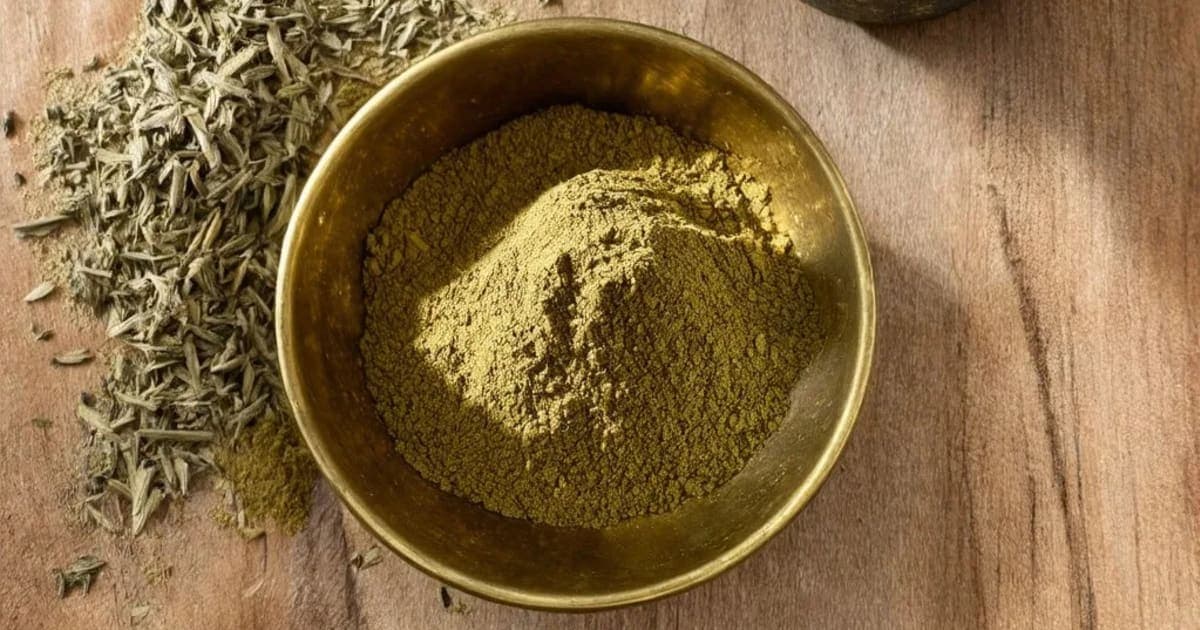
You might recognize this substance by its appearance: a fine, shimmering powder that feels incredibly light and smooth to the touch, almost like silk. When prepared correctly through traditional shodhana (purification) processes involving milk and herbal decoctions, it loses any raw metallic quality and becomes safe for internal use. Grandmothers in Kerala and Maharashtra often prescribe a pinch of this ash mixed with warm milk and honey for grandchildren who struggle with recurring colds or fail to gain weight despite eating well.
What are the Ayurvedic properties of Abhraka Bhasma?
The Ayurvedic profile of Abhraka Bhasma defines it as a cooling, sweet-tasting mineral with an unctuous quality that nourishes dry tissues and soothes inflammation. These specific properties determine how it moves through your digestion and where it ultimately settles in the body. Because it possesses a sweet post-digestive effect (Vipaka), it builds bulk and strength rather than depleting the system.
| Property (Sanskrit) | Value | How it affects your body |
|---|---|---|
| Rasa (Taste) | Madhura (Sweet) | Builds tissue mass, calms the mind, and reduces physical agitation. |
| Guna (Quality) | Snigdha (Oily) | Penetrates deep into channels, lubricating dry lungs and soothing irritated linings. |
| Virya (Potency) | Sheeta (Cooling) | Counters excess heat, reduces burning sensations, and cools inflammatory conditions. |
| Vipaka (Post-digestive) | Madhura (Sweet) | Ensures long-term nourishment and tissue building after digestion is complete. |
| Prabhava (Special Effect) | Yogavahi | Acts as a carrier, enhancing the efficacy of other herbs it is mixed with. |
This combination of cooling potency and oily quality makes it particularly effective for conditions where heat and dryness coexist, such as a dry, hacking cough or acid reflux that burns the throat. While many tonics can be heavy and clogging, the specific processing of mica gives it a lightness that allows it to clear respiratory pathways even as it nourishes.
Which doshas does Abhraka Bhasma balance?
Abhraka Bhasma is one of the rare Tridosha herbs, meaning it pacifies Vata, Pitta, and Kapha without aggravating any of them. Most herbs have a limitation where calming one dosha might disturb another; for instance, a heating herb might fix Kapha congestion but worsen Pitta acidity. Abhraka Bhasma avoids this trap entirely, making it a safe cornerstone for complex constitutional imbalances.
For Vata types, its oily and heavy qualities ground anxiety and dryness in the chest. For Pitta individuals, its cooling nature reduces inflammation and excessive metabolic heat. Even for Kapha types, who usually need to avoid heavy or sweet substances, the unique Yogavahi property helps mobilize stagnant mucus rather than adding to it, provided it is taken in the correct small doses. This versatility is why you will find it in formulations ranging from asthma remedies to general longevity tonics.
How do people actually use Abhraka Bhasma?
In practice, Abhraka Bhasma is never taken alone or in large quantities; it is typically prescribed in doses of 15 to 30 milligrams mixed with an anupana (vehicle) like warm milk, ghee, or honey. A common home remedy for weak lungs involves mixing a rice-grain-sized amount of the ash with a teaspoon of pure ghee and a pinch of long pepper powder, swallowed first thing in the morning. For children who are frail or prone to respiratory infections, Ayurvedic practitioners often blend it into warm milk with a little jaggery to make the taste palatable and the effect gentle.
It is crucial to source this from reputable manufacturers who follow classical purification methods, as raw mica is toxic. The final product should be so fine that it floats on water and leaves no grit between your teeth. If you feel any heaviness in the stomach or nausea, the dose is likely too high or the preparation incomplete.
Frequently Asked Questions
Is Abhraka Bhasma safe for long-term use?
Yes, when sourced from a certified manufacturer and taken in prescribed doses, Abhraka Bhasma is considered safe for long-term rejuvenation. Classical texts describe it as a Rasayana, a category of substances specifically meant to slow aging and enhance immunity over extended periods without side effects.
Can Abhraka Bhasma help with asthma and bronchitis?
Abhraka Bhasma is a primary treatment in Ayurveda for respiratory conditions like asthma, bronchitis, and chronic cough due to its ability to clear mucus while strengthening lung tissue. Its cooling and unctuous properties soothe the inflamed airways, while its Yogavahi nature helps deliver other herbal remedies deeper into the respiratory system.
What is the best time to take Abhraka Bhasma?
The most effective time to take Abhraka Bhasma is early in the morning on an empty stomach or just before bed, usually mixed with warm milk or ghee. Taking it with a fatty vehicle like ghee enhances its absorption and ensures the mineral particles penetrate the deep tissues (Dhatus) effectively.
Frequently Asked Questions
What is Abhraka Bhasma used for in Ayurveda?
Abhraka Bhasma is primarily used as a Rejuvenative (Rasayana) and Reproductive Tonic in Ayurvedic medicine. Processed mica ash is a potent rejuvenative (rasayana) used for respiratory diseases, debility, and as a powerful tonic. It pacifies tridosha dosha.
How should I take Abhraka Bhasma?
Abhraka Bhasma can be taken as powder (1/2-1 tsp with warm water or milk), decoction (boil 1 tsp in water), or tablets (1-2 daily). Always start with a low dose and consult an Ayurvedic practitioner for personalized guidance.
Is Abhraka Bhasma safe during pregnancy?
Pregnant and nursing women should not take Abhraka Bhasma without consulting their doctor first. Most Ayurvedic herbs require medical supervision during pregnancy.
Which dosha does Abhraka Bhasma balance?
Abhraka Bhasma pacifies tridosha and is one of the rare Tridosha herbs that balances all three doshas.
Can I take Abhraka Bhasma daily?
Abhraka Bhasma can be taken daily in recommended doses for 4-8 weeks. After that, take a 2-week break before resuming. Long-term use should be supervised by a qualified Ayurvedic practitioner.
What are the side effects of Abhraka Bhasma?
When taken in recommended doses, Abhraka Bhasma is generally safe. Overconsumption may cause digestive discomfort. Stop use if you experience any adverse reaction.
Related Articles
The Timeless Benefits of Triphala: An Ayurvedic Powerhouse
Discover the transformative benefits of Triphala, an ancient Ayurvedic blend of three fruits that supports digestion, immunity, weight management, and overall vitality.
5 min read
The Divine Benefits of Tulsi (Holy Basil) in Ayurveda
Discover the sacred benefits of Tulsi (Holy Basil) in Ayurveda. From boosting immunity and reducing stress to supporting heart health and digestion, learn how this divine herb can transform your well-being.
4 min read
The Remarkable Benefits of Giloy: An Ayurvedic Powerhouse
Discover the profound health benefits of Giloy, the Ayurvedic 'root of immortality.' Learn how this powerful herb boosts immunity, manages diabetes, improves digestion, and supports skin, hair, and bone health.
5 min read
The Remarkable Benefits of Ashwagandha: An Ayurvedic Perspective
Discover the ancient wisdom of Ashwagandha, a powerful Ayurvedic adaptogen known for reducing stress, boosting immunity, improving sleep, and enhancing physical strength.
4 min read
Brihatyadi Kashayam: Natural Relief for Urinary Tract Disorders and Cystitis
Brihatyadi Kashayam is a cooling Ayurvedic decoction that targets urinary burning and cystitis by balancing Vata and Pitta. Unlike standard teas, this concentrated liquid extract is specifically designed to reduce inflammation in the bladder lining while flushing out toxins.
5 min read
Asphota: Ayurvedic Brain Tonic, Calming Herb & Blood Purifier
Often overlooked, Asphota is a cooling, bitter herb that acts as a gentle brain tonic and blood purifier. While it shares traits with the popular Aparajita, its unique astringent quality makes it particularly effective for stopping bleeding and soothing inflamed tissues.
6 min read
References & Sources
This article is based on principles from classical Ayurvedic texts including Charaka Samhita, Sushruta Samhita, and Ashtanga Hridaya. Content has been reviewed for accuracy by our editorial team. For specific medical conditions, always consult a qualified Ayurvedic practitioner or healthcare provider.
- • Charaka Samhita (चरक संहिता)
- • Sushruta Samhita (सुश्रुत संहिता)
- • Ashtanga Hridaya (अष्टांग हृदय)
Found an error in this article? Let us know