
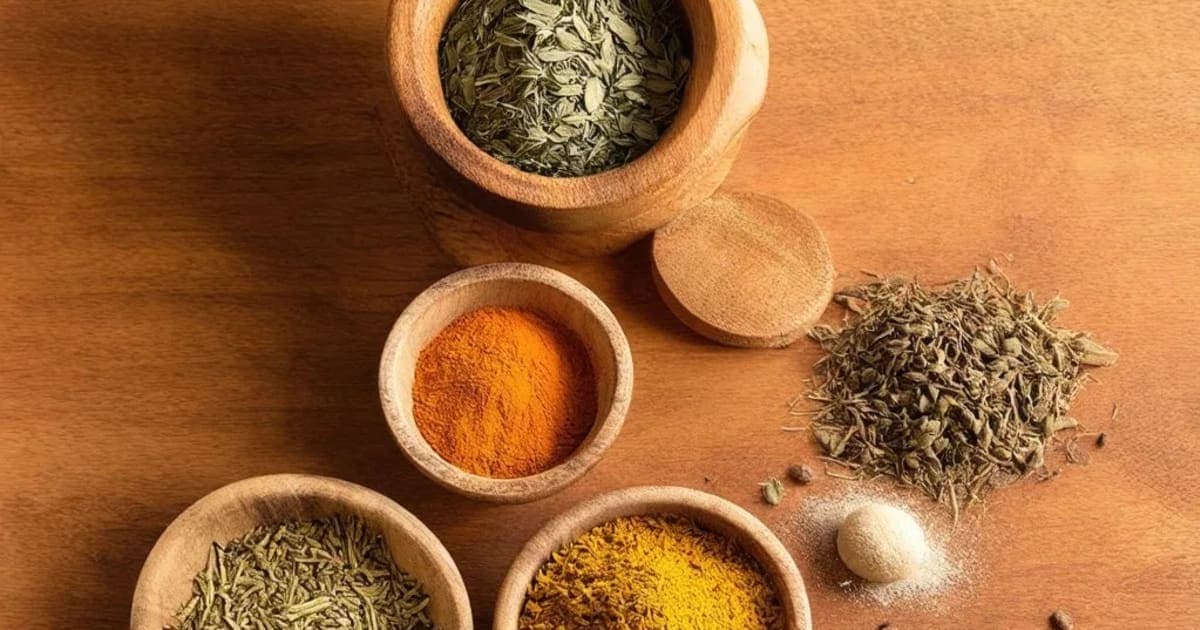
PCOD and PCOS Ayurvedic Treatment: Home Remedies and Complete Guide
Expert Reviewed
Reviewed by AyurvedicUpchar Editorial Team
Introduction
Polycystic Ovary Syndrome (PCOS) and Polycystic Ovary Disease (PCOD) have rapidly become major concerns for women today, especially for young girls. In India, one out of every four women is affected by this condition. It is a state characterized by symptoms like irregular periods, weight gain, excessive facial hair, and infertility. If not addressed in time, it can lead to serious diseases like diabetes (madhumeha) and heart disease. Therefore, managing it at the earliest stage is absolutely essential.
Ayurvedic Perspective
According to Ayurveda, PCOD/PCOS primarily arises from an imbalance in the 'Kapha' and 'Vata' doshas, which negatively affects 'Meda Dhatu' (fat tissue) and 'Artava Dhatu' (reproductive tissue). In the ancient text Charaka Samhita, this is classified under 'Artava Kshaya' or 'Yonivyapad'. When our digestive fire (Pachan Agni) becomes weak, 'Ama' (toxic waste) starts accumulating in the body. This Ama blocks the channels (Rasvahini Srotas), disrupting the menstrual cycle and causing cysts to form in the ovaries. The goal of Ayurveda is not just to suppress symptoms but to remove the root cause and rebalance the doshas.
Common Causes
Several factors related to our habits and environment are responsible for PCOD/PCOS:
- Irregular Diet: Not eating on time or consuming food that is too oily and spicy.
- Sedentary Lifestyle: Lack of exercise and sitting all day slows down metabolism.
- Mental Stress: Excessive worry and stress increase cortisol hormones, which worsen PCOS.
- Lack of Sleep: Incomplete sleep disrupts the body's internal clock (circadian rhythm).
- Lack of Natural Food: Excessive consumption of processed foods and sugar.
- Genetic Factors: A family history of the problem.
- Seasonal Changes: Failure to adapt oneself according to the changing seasons.
- Chemical Exposure: Consuming food containing plastics and pesticides.
Home Remedies
Here are some effective Ayurvedic home remedies traditionally used to manage these conditions:
Cinnamon and Honey Decoction (Dalchini aur Shahad Ka Kashayam)
Ingredients: 1 teaspoon cinnamon powder, 1 teaspoon raw honey, 1 cup water.
Preparation: Boil the water, add the cinnamon powder, and simmer on low heat for 5 minutes. Let it cool slightly, then mix in the honey.
How to Use: Drink this lukewarm on an empty stomach in the morning. Continue this consistently for at least 40 days.
Why It Works: Cinnamon helps improve insulin sensitivity and regulates menstruation by reducing Kapha dosha.
Fenugreek Seed Water (Methi Dana Ka Paani)
Ingredients: 1 teaspoon fenugreek seeds, 1 glass water.
Preparation: Soak the fenugreek seeds in water overnight. In the morning, either boil and strain it or drink the soaked water directly.
How to Use: Consume this every morning on an empty stomach. Continue this practice for 2-3 months.
Why It Works: The 'galactomannan' found in fenugreek helps control glucose levels and is considered helpful in reducing ovarian cysts.
Ashwagandha Powder (Ashwagandha Churna)
Ingredients: 3-5 grams Ashwagandha powder, 1 cup lukewarm milk or water.
Preparation: Mix the Ashwagandha powder thoroughly into the lukewarm milk or water until dissolved.
How to Use: Consume this before going to bed at night. It is excellent for reducing mental stress.
Why It Works: As an 'Adaptogen', it reduces stress hormones, strengthens the reproductive system, and improves sleep quality.
Turmeric Milk (Golden Milk)
Ingredients: 1 pinch turmeric powder, 1 cup milk (preferably cow's milk), 1 pinch black pepper.
Preparation: Heat the milk, add turmeric and black pepper, and boil for 2 minutes.
How to Use: Drink it lukewarm after dinner. You can take this 4-5 times a week.
Why It Works: Turmeric contains 'Curcumin', which reduces inflammation (sujan) and is rich in antimicrobial properties.
Amla and Aloe Vera Juice
Ingredients: 20 ml fresh Amla juice, 20 ml Aloe Vera gel/juice, 50 ml water.
Preparation: Mix both juices together and dilute with a little water.
How to Use: Drink this half an hour before breakfast in the morning. Continuous use for 3 months shows beneficial results.
Why It Works: Amla is a source of Vitamin C which aids detoxification, while Aloe Vera cleanses the digestive tract.
Triphala (Jeevan Ras)
Ingredients: 1 teaspoon Triphala churna, 1 cup lukewarm water.
Preparation: Mix Triphala churna in lukewarm water and leave it overnight, or strain it in the morning.
How to Use: Drink this before going to bed at night. It is excellent for relieving constipation.
Why It Works: Triphala removes toxic substances from the body and aids in weight loss.
Diet Recommendations
In PCOD/PCOS, the primary focus must be on diet. Eat fresh coriander, bottle gourd (lauki), ridge gourd (tori), bitter gourd (karela), and leafy green vegetables that keep digestion light. Use old rice, barley (jau), and millet (bajra) as grains. Consume ghee in limited quantities. Completely avoid foods with immediate negative effects such as refined flour (maida), sugar, cold water, curd (dahi), and outside oily-spicy food. These create 'Ama' which aggravates the disease. Always eat light and lukewarm food. Avoid heavy, cold, and processed items.
Yoga and Lifestyle Suggestions
Incorporating yoga is vital for balancing hormones. Practice Surya Namaskar (Sun Salutation) daily for 12 rounds to boost metabolism. Bhramari Pranayama (Bee Breath) helps reduce stress and calm the mind. Badha Konasana (Butterfly Pose) and Paschimottanasana (Seated Forward Bend) specifically target the pelvic region and improve blood flow to the reproductive organs. Aim for at least 30 minutes of brisk walking or yoga every morning. Ensure you sleep before 10:30 PM to align with natural circadian rhythms. Avoid daytime sleeping as it increases Kapha. Stay hydrated with warm water throughout the day.
Frequently Asked Questions
Can PCOS be cured completely with Ayurveda?
While 'cure' depends on the individual, Ayurveda effectively manages symptoms, regulates periods, and reduces cysts by balancing doshas and improving lifestyle.
How long does it take to see results with these remedies?
Generally, consistent practice of remedies and diet for 3 to 6 months shows significant improvement in menstrual regularity and weight management.
Is dairy allowed in PCOS diet according to Ayurveda?
Cow's milk and ghee in moderation are acceptable, but curd (dahi) and cheese should be avoided as they increase Kapha and mucus formation.
Related Articles
Ayurvedic Home Remedies and Solutions for Period Pain
Discover effective Ayurvedic home remedies, diet tips, and yoga practices to naturally relieve period pain and balance Vata Dosha.
5 min read
Jaundice Home Remedies: Ayurvedic Cures and Diet Guide
Discover effective Ayurvedic home remedies for Jaundice (Kamla). Learn about natural cures using sugarcane, turmeric, and radish leaves, plus a complete diet guide to restore liver health.
5 min read
Dengue Home Remedies: Ayurvedic Tips and Precautions
Discover effective Ayurvedic home remedies for Dengue fever, including papaya leaf juice and tulsi, along with diet tips and yoga practices to boost platelets and recovery.
6 min read
Ayurvedic Treatment for Fatty Liver: Home Remedies and Diet Guide
Discover effective Ayurvedic home remedies, diet tips, and yoga practices to reverse fatty liver naturally. Learn how to balance doshas and detoxify your liver with traditional Indian wisdom.
6 min read
Home Ayurvedic Remedies for Tonsils: Symptoms, Causes, and Cures
Discover effective home Ayurvedic remedies for tonsillitis including salt gargles, ginger-honey decoctions, and clove sucking. Learn about causes, diet tips, and yoga to heal throat inflammation naturally.
6 min read
Ayurvedic Treatment for High Cholesterol: Home Remedies and Therapies
Discover effective Ayurvedic treatments for high cholesterol using natural home remedies, dietary changes, and lifestyle adjustments to restore balance and health.
6 min read
References & Sources
This article is based on principles from classical Ayurvedic texts including Charaka Samhita, Sushruta Samhita, and Ashtanga Hridaya. Content has been reviewed for accuracy by our editorial team. For specific medical conditions, always consult a qualified Ayurvedic practitioner or healthcare provider.
- • Charaka Samhita (चरक संहिता)
- • Sushruta Samhita (सुश्रुत संहिता)
- • Ashtanga Hridaya (अष्टांग हृदय)
Found an error in this article? Let us know