
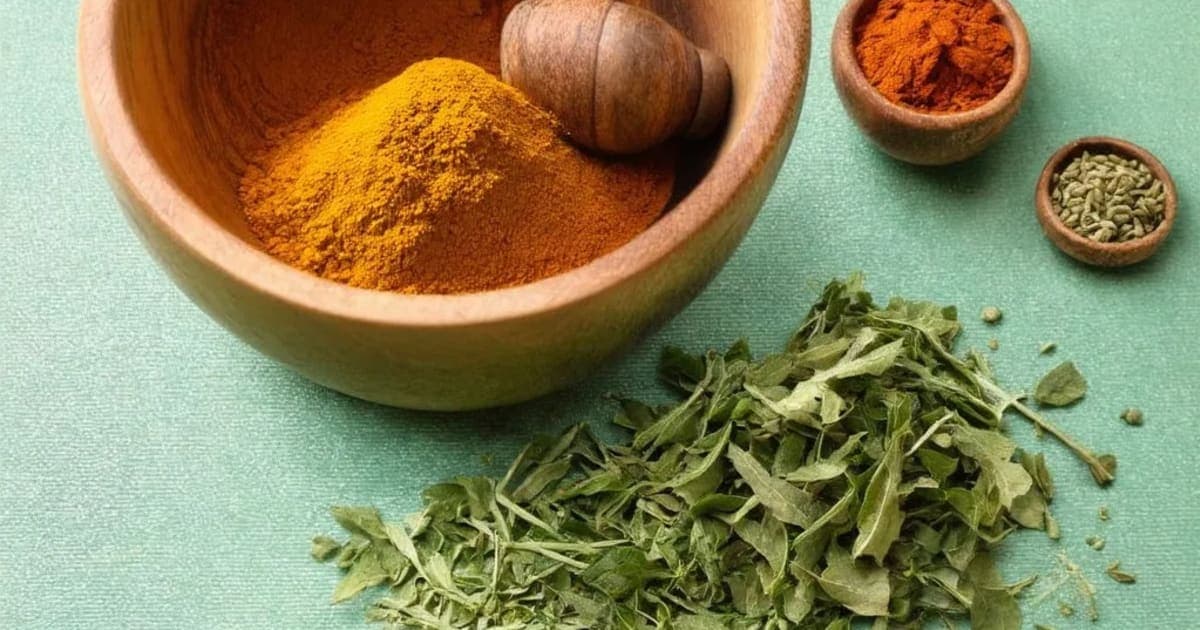
Ayurvedic Treatment for Thyroid: Natural Remedies and Lifestyle Changes
Expert Reviewed
Reviewed by AyurvedicUpchar Editorial Team
Introduction
The thyroid gland is a small, butterfly-shaped organ located at the base of your neck, yet it acts as the master controller for your body's metabolism, energy levels, and hormonal balance. In today's fast-paced world, thyroid disorders—whether Hypothyroidism (underactive) or Hyperthyroidism (overactive)—are rising rapidly, affecting women far more often than men. When this gland falters, you may experience persistent fatigue, unexplained weight fluctuations, hair loss, and sudden mood swings. Driven by modern stress, poor dietary habits, and sedentary living, this condition has become alarmingly common, creating an urgent need for natural, holistic management rooted in ancient wisdom.
Ayurvedic Perspective
In Ayurveda, thyroid imbalance is not viewed as an isolated gland issue but as a systemic failure of the body's fire (Agni) and a disturbance in the Doshas, specifically 'Kapha' and 'Vata'. According to the ancient Charaka Samhita, when our digestive fire (Jatharagni) weakens, it leads to the accumulation of 'Ama' (toxins) which clog the channels around the throat. An excess of Kapha Dosha causes swelling, sluggishness, and weight gain (Hypothyroidism), while an aggravated Vata Dosha creates erratic metabolism and anxiety. Ayurveda aims to reignite the digestive fire, clear these toxic blockages, and restore the natural harmony of the Doshas to heal the root cause.
Common Causes
Several factors in our daily routine and environment trigger this imbalance. Firstly, an improper diet heavy in cold, oily, fried, or processed foods aggravates Kapha Dosha. Secondly, irregular sleep patterns and staying up late disrupt the body's natural circadian rhythm. Thirdly, chronic stress and anxiety severely disturb Vata Dosha. Fourthly, a lack of physical activity slows down metabolism. Fifthly, inadequate water intake prevents the flushing out of toxins. Sixthly, eating against the seasons, such as consuming cold foods in winter, weakens digestion. Seventhly, genetic predisposition plays a role. Finally, exposure to environmental pollutants and chemicals can damage thyroid health.
Home Remedies
Consuming Ashwagandha Powder
Ingredients: 3-5 grams of Ashwagandha powder, 1 cup of milk or warm water.
Preparation: Gently warm the milk or water. Mix in the Ashwagandha powder and stir well until fully dissolved.
How to Use: Consume this mixture either at night before bed or early in the morning on an empty stomach. Continue this routine regularly for 2-3 months for best results.
Why It Works: Ashwagandha is a premier Rasayana (rejuvenating) herb known to lower cortisol (stress) levels and naturally support the production and balance of thyroid hormones.
Kanchanar Guggulu
Ingredients: 1-2 tablets of Kanchanar Guggulu (classic Ayurvedic formulation), warm water.
Preparation: This remedy is prepared through specific Ayurvedic purification processes and is taken directly in tablet form.
How to Use: Take the tablets twice daily, after breakfast and dinner, with warm water. Always consult an Ayurvedic practitioner for the correct dosage suitable for your body type.
Why It Works: Kanchanar Guggulu is specifically renowned for reducing glandular swelling and clearing nodules. It balances Kapha Dosha and supports overall thyroid function by clearing blockages in the neck region.
Turmeric and Ginger Decoction
Ingredients: 1 inch of fresh ginger, half a teaspoon of turmeric powder, 1 cup of water, a pinch of black pepper.
Preparation: Add ginger pieces, turmeric, and black pepper to water. Boil for 5-7 minutes until the water reduces slightly. Strain the liquid.
How to Use: Drink this decoction warm on an empty stomach every morning. Daily consumption is highly beneficial.
Why It Works: Both turmeric and ginger possess potent anti-inflammatory properties that reduce systemic inflammation. They also kindle the digestive fire, improving metabolism and aiding weight management.
Coconut Oil Massage
Ingredients: 2 teaspoons of pure coconut oil or sesame oil.
Preparation: Warm the oil slightly until it is comfortable to touch, ensuring it is not too hot.
How to Use: Gently massage the lower part of your neck (over the thyroid gland) with this oil for 5-10 minutes. Perform this ritual at night before sleeping.
Why It Works: Localized massage improves blood circulation to the thyroid area, enhancing glandular function and helping to dissolve accumulated Doshas and toxins.
Soaked Fenugreek Seeds
Ingredients: 1 teaspoon of fenugreek (methi) seeds, 1 cup of water.
Preparation: Soak the fenugreek seeds in water overnight. In the morning, strain the water or chew the softened seeds directly.
How to Use: Consume this on an empty stomach every morning. Continue this practice for at least 40 days.
Why It Works: Fenugreek helps detoxify the body and regulates blood sugar levels, which is crucial for managing metabolic issues associated with thyroid disorders.
Triphala Powder
Ingredients: Half a teaspoon of Triphala powder, 1 cup of warm water.
Preparation: Mix the Triphala powder into warm water and stir thoroughly.
How to Use: Drink this mixture at night before going to bed. It helps keep the bowels regular and clean.
Why It Works: Triphala strengthens the digestive system and effectively eliminates 'Ama' (toxins) from the body, which is essential for restoring thyroid health.
Diet Recommendations
A balanced diet is the cornerstone of thyroid management. Include plenty of fresh fruits, vegetables, and fiber-rich foods in your meals. Consume foods rich in Selenium and Zinc, such as walnuts, Brazil nuts, and pumpkin seeds. Limit iodine-rich foods like seaweed or excessive sea salt, especially if you have Hyperthyroidism. Avoid eating raw cruciferous vegetables like cabbage, broccoli, and cauliflower; always cook them thoroughly as raw forms can interfere with thyroid function. Completely avoid processed sugar, refined flour (maida), and overly salty foods. Eating light meals at regular intervals keeps the digestive fire strong and prevents toxin buildup.
Lifestyle & Yoga
Establishing a disciplined daily routine (Dinacharya) is vital for managing thyroid issues. Wake up early in the morning and engage in physical exercise. Specific yoga poses are incredibly effective: practice 'Sarvangasana' (Shoulder Stand) to increase blood flow to the neck, 'Matsyasana' (Fish Pose) to stretch the throat region, and 'Halasana' (Plow Pose) to stimulate the thyroid gland. Pranayama techniques like 'Ujjayi' and 'Bhramari' help calm the mind and regulate hormonal secretion. Avoid suppressing natural urges and ensure you get 7-8 hours of quality sleep to allow the body to heal and rejuvenate.
Frequently Asked Questions
Can Ayurveda completely cure thyroid problems?
Ayurveda focuses on managing the root cause by balancing Doshas and improving digestion. While it can significantly reduce symptoms and dependence on medication, patients should never stop prescribed medicines without consulting their doctor.
How long does it take to see results with these remedies?
Natural healing takes time. With consistent adherence to diet, lifestyle changes, and herbal remedies, noticeable improvements can often be seen within 2 to 3 months.
Is Kanchanar Guggulu safe for everyone?
While highly effective, Kanchanar Guggulu should be taken under the guidance of an Ayurvedic practitioner, especially for pregnant women, children, or those with other chronic conditions.
Related Articles
Ayurvedic Home Remedies and Solutions for Period Pain
Discover effective Ayurvedic home remedies, diet tips, and yoga practices to naturally relieve period pain and balance Vata Dosha.
5 min read
PCOD and PCOS Ayurvedic Treatment: Home Remedies and Complete Guide
Discover effective Ayurvedic treatments for PCOD and PCOS including home remedies like cinnamon-honey decoction, fenugreek water, and dietary changes to balance hormones naturally.
5 min read
Jaundice Home Remedies: Ayurvedic Cures and Diet Guide
Discover effective Ayurvedic home remedies for Jaundice (Kamla). Learn about natural cures using sugarcane, turmeric, and radish leaves, plus a complete diet guide to restore liver health.
5 min read
Dengue Home Remedies: Ayurvedic Tips and Precautions
Discover effective Ayurvedic home remedies for Dengue fever, including papaya leaf juice and tulsi, along with diet tips and yoga practices to boost platelets and recovery.
6 min read
Ayurvedic Treatment for Fatty Liver: Home Remedies and Diet Guide
Discover effective Ayurvedic home remedies, diet tips, and yoga practices to reverse fatty liver naturally. Learn how to balance doshas and detoxify your liver with traditional Indian wisdom.
6 min read
Home Ayurvedic Remedies for Tonsils: Symptoms, Causes, and Cures
Discover effective home Ayurvedic remedies for tonsillitis including salt gargles, ginger-honey decoctions, and clove sucking. Learn about causes, diet tips, and yoga to heal throat inflammation naturally.
6 min read
References & Sources
This article is based on principles from classical Ayurvedic texts including Charaka Samhita, Sushruta Samhita, and Ashtanga Hridaya. Content has been reviewed for accuracy by our editorial team. For specific medical conditions, always consult a qualified Ayurvedic practitioner or healthcare provider.
- • Charaka Samhita (चरक संहिता)
- • Sushruta Samhita (सुश्रुत संहिता)
- • Ashtanga Hridaya (अष्टांग हृदय)
Found an error in this article? Let us know