
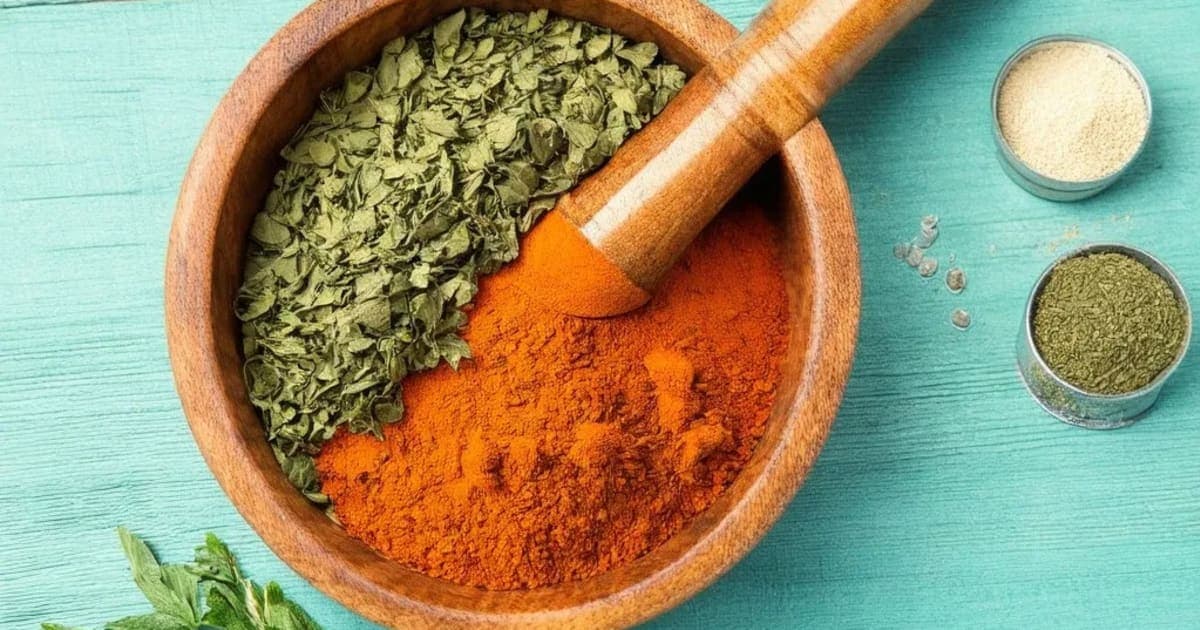
Ayurvedic Treatment for Piles: Simple Home Remedies and Diet Tips
Expert Reviewed
Reviewed by AyurvedicUpchar Editorial Team
Introduction
Piles, known in our ancient Ayurveda as 'Arsh', is a condition where the veins around the anus become swollen or inflamed. It is an extremely common health issue affecting millions today, largely due to our fast-paced, chaotic lifestyles and poor food choices. The symptoms can be quite distressing, including pain during bowel movements, itching, and sometimes bleeding. If ignored, this condition can lead to long-term discomfort and serious complications. Therefore, it is vital to address the problem early using natural healing methods before it worsens.
Ayurvedic Perspective
According to Ayurveda, piles are primarily caused by an aggravation of Vata Dosha (the air and ether element) and a weak digestive fire (Agni). Both the Charak Samhita and Sushruta Samhita describe 'Arsh' in great detail, explaining that it is not just a local problem but a result of the whole body being out of balance. When digestion is weak, food does not break down properly, leading to the accumulation of 'Ama Vish' (toxins). These toxins contaminate the blood and muscles in the rectal area, causing growths or swelling. The goal of Ayurveda is not merely to suppress symptoms but to balance the Doshas and eliminate the root cause.
Common Causes
Several factors linked to our daily habits and environment contribute to piles. The most significant causes involve an irregular lifestyle and digestive disturbances. Here are the main culprits:
- Constipation: Chronic constipation and straining during bowel movements put excessive pressure on the anal veins.
- Poor Diet: Eating too much spicy, fried, and hard-to-digest food.
- Prolonged Sitting: Sitting in one position for too long blocks blood circulation in the lower body.
- Dehydration: Not drinking enough water makes stool hard and difficult to pass.
- Mental Stress: Excessive worry and stress aggravate Vata Dosha, which directly affects digestion.
- Pregnancy: The pressure from a growing womb can also trigger piles.
- Irregular Sleep: Staying up late at night and having an irregular sleep cycle.
- Lack of Activity: A sedentary lifestyle with little to no exercise.
Home Remedies
Ayurveda offers several effective home remedies using natural ingredients found in every Indian kitchen to provide relief from piles.
1. Castor Oil and Milk
Ingredients: 1 teaspoon of pure Castor Oil (Eranda Taila) and 1 glass of warm milk.
Preparation: Warm the milk slightly and mix the castor oil into it thoroughly until well blended.
How to Use: Drink this mixture right before going to bed at night. Take this 2-3 times a week until you feel relief.
Why It Works: Castor oil is a natural laxative that clears constipation and pacifies the aggravated Vata Dosha.
2. Garlic Milk
Ingredients: 5-6 cloves of garlic, 1 glass of milk, and 1 cup of water.
Preparation: Peel and crush the garlic cloves. Boil them in the milk and water mixture until the milk reduces and becomes thick.
How to Use: Strain and drink this milk lukewarm on an empty stomach every morning.
Why It Works: Garlic possesses strong anti-inflammatory properties that help reduce swelling and provide relief from pain.
3. Licorice (Mulethi) Powder
Ingredients: Half a teaspoon of Licorice powder and 1 teaspoon of honey.
Preparation: Mix the Licorice powder with honey to form a thick, smooth paste.
How to Use: Consume this paste with lukewarm water right before sleeping at night.
Why It Works: Licorice cools down the digestive tract and makes bowel movements smoother and easier.
4. Sesame Seeds and Rock Sugar
Ingredients: 1 teaspoon of black sesame seeds and 1 teaspoon of powdered rock sugar (Mishri).
Preparation: Roast the sesame seeds lightly, grind them into a powder, and mix in the rock sugar.
How to Use: Take this mixture early in the morning on an empty stomach with warm milk or water.
Why It Works: Sesame seeds provide moisture to the intestines, relieving constipation and reducing the pain associated with piles.
5. Turmeric and Yogurt
Ingredients: Half a teaspoon of Turmeric powder and 2 teaspoons of fresh yogurt.
Preparation: Mix the turmeric powder well into the yogurt to create a consistent paste.
How to Use: Apply this paste externally on the affected area and wash it off after 15 minutes.
Why It Works: Turmeric has powerful antiseptic properties that prevent infection and reduce inflammation.
6. Triphala Powder
Ingredients: 1 teaspoon of Triphala powder and 1 glass of warm water.
Preparation: Mix the Triphala powder in warm water, or alternatively, soak it overnight and strain it in the morning.
How to Use: Consume this every night before going to sleep.
Why It Works: Triphala corrects digestion and helps flush out toxic waste from the body effectively.
Diet Recommendations
Diet plays a crucial role in managing piles. Your meals should be rich in fiber, including plenty of green leafy vegetables, fruits, porridge, and oats. Drinking ample water and consuming buttermilk is highly beneficial for digestion. On the other hand, you must completely avoid spicy foods, excess salt, fried items, refined flour (Maida), red meat, and alcohol. These foods aggravate Pitta and Vata Doshas and cause constipation, making the condition worse. Light, easy-to-digest food is the key to recovery.
Lifestyle & Yoga
Changing your lifestyle is essential for treating piles. Regular exercise and yoga improve blood circulation. Specific poses like 'Pavanmuktasana' (Wind-Relieving Pose), 'Ashwa Sanchalana' (Equestrian Pose), and 'Malabaddhasana' (Bound Angle Pose) strengthen abdominal muscles and relieve constipation. Breathing exercises like 'Anulom-Vilom' and 'Bhastrika' help calm the Vata Dosha. Additionally, make it a habit to go to the toilet at the same time daily, do not spend too much time sitting on the toilet seat, avoid lifting heavy weights, and ensure you walk around frequently throughout the day.
When to See a Doctor
If home remedies do not provide relief, if there is continuous or heavy bleeding from the anus, or if the pain becomes unbearable, please contact a doctor immediately. Also, seek medical help if you develop a fever or notice a change in bowel habits that persists.
Frequently Asked Questions
What is the main cause of piles according to Ayurveda?
Ayurveda states that piles are mainly caused by an imbalance in Vata Dosha and weak digestive fire, leading to toxin accumulation and constipation.
Is castor oil safe for daily use for piles?
Castor oil is a strong laxative. It is recommended to use it 2-3 times a week at night with warm milk, rather than daily, to avoid dependency.
Which yoga poses are best for curing piles?
Poses like Pavanmuktasana, Ashwa Sanchalana, and Malabaddhasana are excellent as they improve digestion and reduce pressure on the rectal veins.
Can diet alone cure piles?
While diet is crucial, combining a high-fiber diet with home remedies, hydration, and lifestyle changes offers the best and fastest results.
Related Articles
Ayurvedic Home Remedies and Solutions for Period Pain
Discover effective Ayurvedic home remedies, diet tips, and yoga practices to naturally relieve period pain and balance Vata Dosha.
5 min read
PCOD and PCOS Ayurvedic Treatment: Home Remedies and Complete Guide
Discover effective Ayurvedic treatments for PCOD and PCOS including home remedies like cinnamon-honey decoction, fenugreek water, and dietary changes to balance hormones naturally.
5 min read
Jaundice Home Remedies: Ayurvedic Cures and Diet Guide
Discover effective Ayurvedic home remedies for Jaundice (Kamla). Learn about natural cures using sugarcane, turmeric, and radish leaves, plus a complete diet guide to restore liver health.
5 min read
Dengue Home Remedies: Ayurvedic Tips and Precautions
Discover effective Ayurvedic home remedies for Dengue fever, including papaya leaf juice and tulsi, along with diet tips and yoga practices to boost platelets and recovery.
6 min read
Ayurvedic Treatment for Fatty Liver: Home Remedies and Diet Guide
Discover effective Ayurvedic home remedies, diet tips, and yoga practices to reverse fatty liver naturally. Learn how to balance doshas and detoxify your liver with traditional Indian wisdom.
6 min read
Home Ayurvedic Remedies for Tonsils: Symptoms, Causes, and Cures
Discover effective home Ayurvedic remedies for tonsillitis including salt gargles, ginger-honey decoctions, and clove sucking. Learn about causes, diet tips, and yoga to heal throat inflammation naturally.
6 min read
References & Sources
This article is based on principles from classical Ayurvedic texts including Charaka Samhita, Sushruta Samhita, and Ashtanga Hridaya. Content has been reviewed for accuracy by our editorial team. For specific medical conditions, always consult a qualified Ayurvedic practitioner or healthcare provider.
- • Charaka Samhita (चरक संहिता)
- • Sushruta Samhita (सुश्रुत संहिता)
- • Ashtanga Hridaya (अष्टांग हृदय)
Found an error in this article? Let us know