
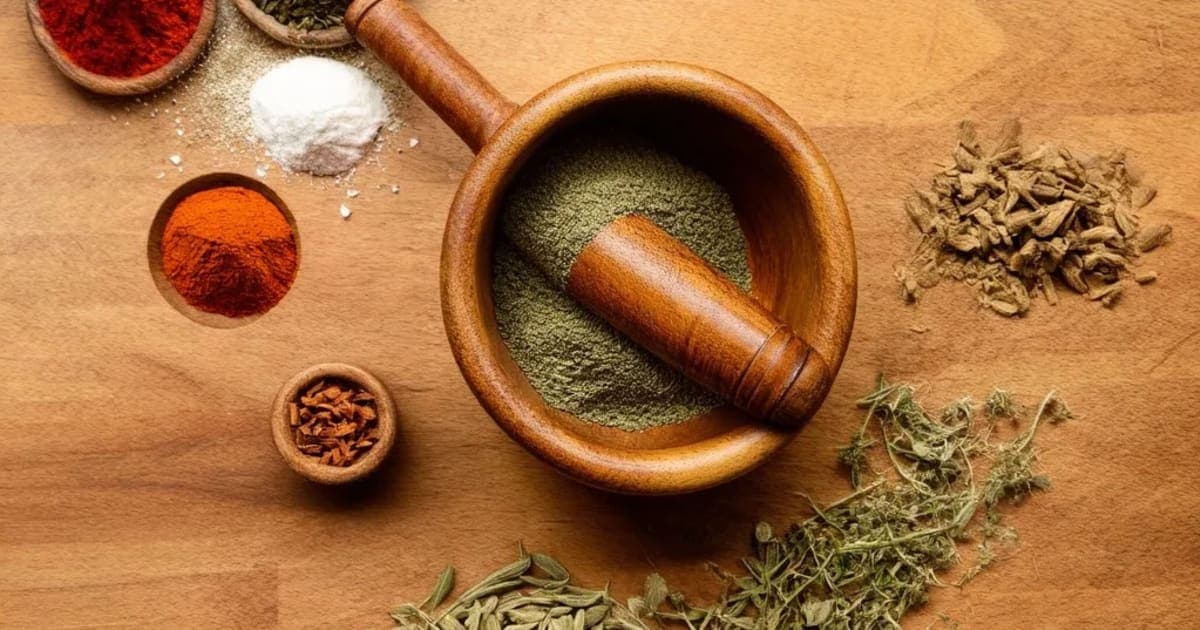
Ayurvedic Treatment for Anemia: Natural Remedies and Diet
Expert Reviewed
Reviewed by AyurvedicUpchar Editorial Team
Introduction
Anemia is a widespread condition characterized by a deficiency in healthy red blood cells or hemoglobin, leading to fatigue, weakness, and pale skin. It affects billions globally, impacting energy levels and overall quality of life. While modern medicine often relies on iron supplements, many seek holistic approaches to address the root causes. Ayurveda, the ancient Indian system of medicine, offers a comprehensive framework for understanding blood deficiencies. By focusing on digestion, nutrition, and lifestyle, Ayurvedic practices may help support the body's natural ability to produce healthy blood and restore vitality without harsh side effects.
Ayurvedic Perspective
In Ayurveda, anemia is closely related to a condition known as 'Pandu Roga,' which literally means 'pale disease.' This condition is primarily associated with an imbalance in the Pitta dosha, which governs metabolism and blood formation, though Vata and Kapha imbalances can also contribute. According to the Charaka Samhita, the root cause often lies in impaired Agni (digestive fire), which prevents the proper transformation of food into Rasa (nutrient plasma) and subsequently into Rakta (blood). When digestion is weak, toxins or 'Ama' accumulate, blocking the channels responsible for blood production. Therefore, treatment focuses on reigniting Agni, removing toxins, and nourishing the blood-forming tissues with specific herbs and diets.
Common Causes
Several factors can lead to the development of anemia from an Ayurvedic and general health perspective. Firstly, a diet lacking in iron-rich foods like leafy greens and legumes is a primary contributor. Secondly, excessive consumption of cold, dry, or processed foods can dampen the digestive fire, hindering nutrient absorption. Thirdly, chronic stress and emotional turmoil disturb the Vata dosha, disrupting circulation. Fourthly, heavy menstrual bleeding or physical trauma leads to direct blood loss. Fifthly, parasitic infections or chronic illnesses can deplete blood reserves over time. Lastly, seasonal changes, particularly during late summer and early autumn, can aggravate Pitta and affect blood quality if the diet is not adjusted accordingly.
Home Remedies
Spinach and Lemon Juice
Ingredients: 1 cup fresh spinach leaves, 1 tablespoon fresh lemon juice, 1 cup water.
Preparation: Wash the spinach thoroughly and blend it with water until smooth. Strain the mixture to extract the green juice and mix in the fresh lemon juice immediately before drinking.
How to Use: Drink this fresh juice every morning on an empty stomach for at least 30 days to see improvements.
Why It Works: Spinach is rich in non-heme iron, while the vitamin C in lemon significantly enhances iron absorption, balancing Pitta and nourishing Rakta dhatu.
Date and Milk Tonic
Ingredients: 5 dried dates, 1 cup whole milk, 1 pinch of cardamom powder, 1 teaspoon jaggery.
Preparation: Soak the dates in water overnight. In the morning, remove pits, blend them with milk, cardamom, and jaggery, then gently heat the mixture until warm.
How to Use: Consume this warm tonic daily in the evening as a nourishing snack or light dinner supplement.
Why It Works: Dates are traditionally used for building blood volume, while milk provides essential proteins; together they pacify Vata and strengthen the body's tissues.
Tripephala and Iron Brew
Ingredients: 1 teaspoon Triphala powder, 1 teaspoon dried pomegranate powder, 1 cup water.
Preparation: Boil the water and add both powders. Simmer on low heat for five minutes until the liquid reduces slightly, then strain to remove solid particles.
How to Use: Drink this warm decoction once daily, preferably before lunch, for six weeks to support gentle detoxification and blood building.
Why It Works: Triphala cleanses the digestive tract to improve absorption, while pomegranate is highly valued in Ayurveda for its specific ability to enrich blood quality.
Sesame and Jaggery Balls
Ingredients: 2 tablespoons black sesame seeds, 2 tablespoons jaggery powder, 1 teaspoon ghee.
Preparation: Roast the sesame seeds lightly in ghee until aromatic. Mix with jaggery powder while warm and roll into small, bite-sized balls or laddus.
How to Use: Eat one or two balls daily after breakfast. This can be continued for several months as a safe dietary supplement.
Why It Works: Black sesame seeds are a potent source of minerals including iron and calcium, while jaggery acts as a natural cleanser and blood purifier in traditional medicine.
Beetroot and Carrot Salad
Ingredients: 1 small raw beetroot, 1 medium carrot, 1 tablespoon coriander leaves, salt to taste.
Preparation: Grate the beetroot and carrot finely. Mix them together with chopped coriander and a pinch of salt. Do not cook to preserve heat-sensitive nutrients.
How to Use: Include this fresh salad in your lunch menu five times a week to consistently boost iron intake.
Why It Works: Both vegetables are cooling and rich in folate and iron, helping to cool aggravated Pitta and regenerate blood cells effectively.
Cumin and Coriander Tea
Ingredients: 1 teaspoon cumin seeds, 1 teaspoon coriander seeds, 1 teaspoon fennel seeds, 2 cups water.
Preparation: Crush the seeds lightly and boil them in water for ten minutes. Strain the liquid into a cup and let it cool to a warm drinking temperature.
How to Use: Sip this tea mid-morning or mid-afternoon daily to keep digestion strong and prevent toxin accumulation.
Why It Works: This classic combination kindles Agni without overheating the body, ensuring that iron from food is properly digested and assimilated into the blood.
Diet Recommendations
To support blood health, your diet should focus on warm, cooked, and easily digestible foods. Include plenty of leafy greens like spinach and methi, legumes, beets, pomegranates, dates, and raisins. Cooking in cast iron cookware can also naturally increase the iron content of your meals. It is crucial to avoid excessive tea and coffee immediately after meals, as tannins can inhibit iron absorption. Additionally, reduce the intake of cold, raw, and processed foods, which can weaken the digestive fire. Hydration with warm water throughout the day helps maintain channel clarity for nutrient transport.
Lifestyle & Yoga
A balanced lifestyle is essential for managing anemia. Practice gentle yoga asanas such as Bhujangasana (Cobra Pose), Paschimottanasana (Seated Forward Bend), and Viparita Karani (Legs-Up-The-Wall Pose) to improve circulation and reduce fatigue. Pranayama techniques like Nadi Shodhana (Alternate Nostril Breathing) help balance the nervous system and oxygenate the blood. Establish a routine that includes adequate sleep, ideally going to bed by 10 PM, and avoiding excessive physical exertion which can deplete energy further. Regular, moderate exercise stimulates appetite and digestion.
When to See a Doctor
While natural remedies may help manage mild symptoms, immediate medical attention is necessary if you experience severe shortness of breath, chest pain, rapid heartbeat, or fainting spells. If symptoms persist despite dietary changes, or if anemia is caused by underlying conditions like internal bleeding or genetic disorders, professional diagnosis and treatment are critical. Never stop prescribed medications without consulting your healthcare provider.
Disclaimer
The information provided in this article is for educational purposes only and is not intended to diagnose, treat, cure, or prevent any disease. These statements have not been evaluated by the FDA. Always consult with a qualified healthcare professional before starting any new herbal regimen, especially if you are pregnant, nursing, or taking medication.
Frequently Asked Questions
Can Ayurveda completely cure anemia?
Ayurveda aims to address the root cause of anemia by improving digestion and nutrient absorption, which may help restore blood levels naturally. However, the term 'cure' depends on the underlying cause, and severe cases often require concurrent medical intervention.
How long does it take to see results with these remedies?
Results vary based on the severity of the deficiency and individual constitution, but many people report feeling more energetic within a few weeks of consistent practice. Significant changes in blood parameters typically take two to three months of dedicated dietary and lifestyle adherence.
Are these remedies safe for pregnant women?
While many ingredients like dates and spinach are generally safe, pregnant women should always consult their obstetrician before starting any new herbal regimen or high-dose supplement. Some herbs may interact with prenatal vitamins or specific pregnancy conditions.
Can I take iron supplements along with these remedies?
Yes, these dietary changes often complement conventional iron therapy by improving absorption, but you should inform your doctor about all supplements you are taking. This ensures there are no interactions and allows for proper monitoring of your iron levels.
What is the best time to consume iron-rich foods?
It is best to consume iron-rich foods or remedies in the morning on an empty stomach or between meals when stomach acid levels are higher for better absorption. Avoid consuming them simultaneously with dairy or caffeine, which can hinder iron uptake.
Related Articles
Ayurvedic Home Remedies and Solutions for Period Pain
Discover effective Ayurvedic home remedies, diet tips, and yoga practices to naturally relieve period pain and balance Vata Dosha.
5 min read
PCOD and PCOS Ayurvedic Treatment: Home Remedies and Complete Guide
Discover effective Ayurvedic treatments for PCOD and PCOS including home remedies like cinnamon-honey decoction, fenugreek water, and dietary changes to balance hormones naturally.
5 min read
Jaundice Home Remedies: Ayurvedic Cures and Diet Guide
Discover effective Ayurvedic home remedies for Jaundice (Kamla). Learn about natural cures using sugarcane, turmeric, and radish leaves, plus a complete diet guide to restore liver health.
5 min read
Dengue Home Remedies: Ayurvedic Tips and Precautions
Discover effective Ayurvedic home remedies for Dengue fever, including papaya leaf juice and tulsi, along with diet tips and yoga practices to boost platelets and recovery.
6 min read
Ayurvedic Treatment for Fatty Liver: Home Remedies and Diet Guide
Discover effective Ayurvedic home remedies, diet tips, and yoga practices to reverse fatty liver naturally. Learn how to balance doshas and detoxify your liver with traditional Indian wisdom.
6 min read
Home Ayurvedic Remedies for Tonsils: Symptoms, Causes, and Cures
Discover effective home Ayurvedic remedies for tonsillitis including salt gargles, ginger-honey decoctions, and clove sucking. Learn about causes, diet tips, and yoga to heal throat inflammation naturally.
6 min read
References & Sources
This article is based on principles from classical Ayurvedic texts including Charaka Samhita, Sushruta Samhita, and Ashtanga Hridaya. Content has been reviewed for accuracy by our editorial team. For specific medical conditions, always consult a qualified Ayurvedic practitioner or healthcare provider.
- • Charaka Samhita (चरक संहिता)
- • Sushruta Samhita (सुश्रुत संहिता)
- • Ashtanga Hridaya (अष्टांग हृदय)
Found an error in this article? Let us know