
Ayurvedic Treatment for Acne Pimples: Natural Remedies and Root Cause Analysis
Expert Reviewed
Reviewed by AyurvedicUpchar Editorial Team
Introduction
Acne, commonly known as pimples, is a widespread skin condition affecting millions of people globally, particularly during adolescence but often persisting into adulthood. It manifests as red bumps, blackheads, or cysts on the face, back, and chest, causing significant emotional distress and impacting self-confidence. While modern medicine offers various topical treatments, many seek natural approaches that address the underlying internal imbalances rather than just suppressing symptoms. Understanding acne through a holistic lens can provide long-term relief and promote overall skin health without harsh side effects.
Ayurvedic Perspective
In Ayurveda, acne is often referred to as 'Youvan Pidika' and is primarily viewed as an imbalance of the Pitta dosha, which governs heat, metabolism, and transformation in the body. When Pitta becomes aggravated, it creates excess heat and toxins (Ama) that accumulate in the blood and manifest on the skin. The ancient text Charaka Samhita suggests that impure blood (Rakta Dushti) combined with blocked channels (Srotas) leads to these skin eruptions. Therefore, the Ayurvedic approach focuses on cooling the body, detoxifying the blood, and restoring digestive fire to prevent toxin accumulation.
Common Causes
Several factors can aggravate Pitta and Kapha doshas, leading to acne formation. Firstly, consuming excessive spicy, oily, and fried foods generates internal heat. Secondly, irregular digestion and constipation prevent proper elimination of toxins. Thirdly, chronic stress and anger increase Pitta levels significantly. Fourthly, staying up late at night disrupts the body's natural cooling cycles. Fifthly, using harsh chemical skincare products can damage the skin barrier. Sixthly, hormonal fluctuations during menstruation or puberty play a major role. Lastly, seasonal changes, especially hot and humid weather, can trigger outbreaks in susceptible individuals.
Home Remedies
Neem and Turmeric Paste
Ingredients: 5 fresh neem leaves and a pinch of organic turmeric powder.
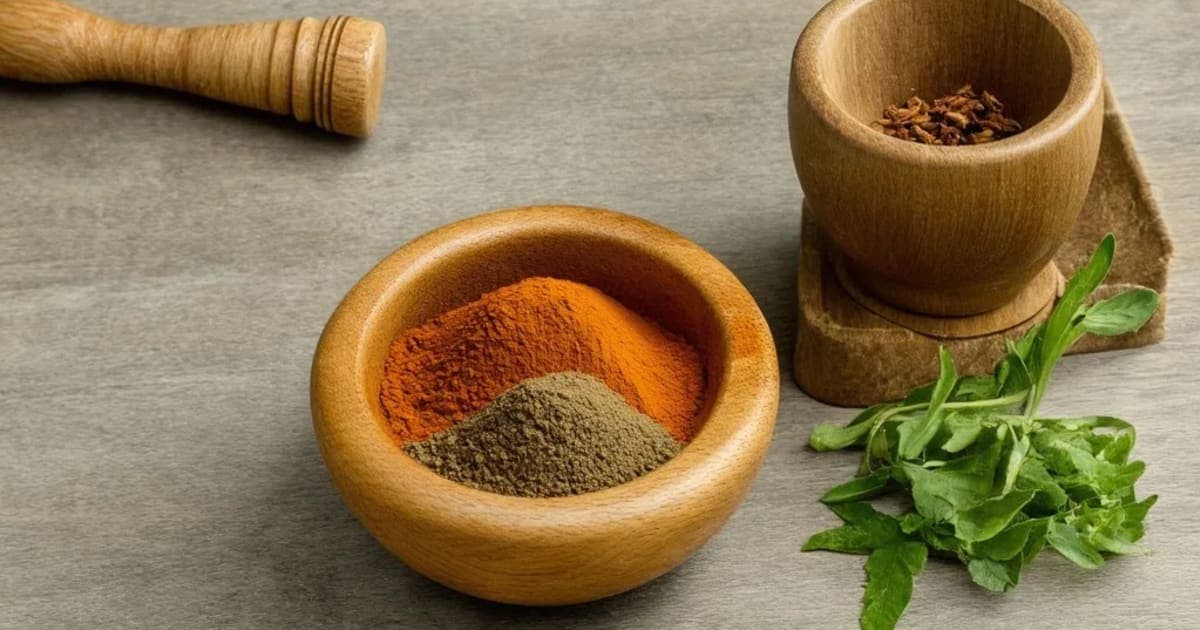
Preparation: Grind the fresh neem leaves into a fine paste using a mortar and pestle, then mix in the turmeric powder thoroughly.
How to Use: Apply a thin layer on affected areas, leave for 15 minutes, and rinse with cool water. Use twice weekly.
Why It Works: Neem is traditionally used for its potent blood-purifying and antibacterial properties, while turmeric reduces inflammation and cools excess Pitta heat effectively.
Sandalwood and Rose Water Mask
Ingredients: 1 tablespoon of sandalwood powder and 2 tablespoons of pure rose water.
Preparation: Mix the sandalwood powder with rose water in a small bowl until a smooth, spreadable consistency is achieved without lumps.
How to Use: Gently apply to the face, let it dry for 20 minutes, and wash off with lukewarm water. Apply every other day.
Why It Works: Sandalwood is highly cooling and soothing for irritated skin, while rose water balances pH levels and calms the aggravated Pitta dosha responsible for redness.
Aloe Vera and Coriander Gel
Ingredients: 2 tablespoons of fresh aloe vera gel and 1 tablespoon of coriander leaf juice.
Preparation: Extract fresh gel from an aloe leaf and blend it with freshly squeezed coriander juice until well combined and smooth.
How to Use: Apply as a spot treatment or full-face mask, leave for 20 minutes, and rinse. Use daily for best results.
Why It Works: Aloe vera provides deep hydration and cooling relief, while coriander helps cleanse the blood and reduce the heat that traditionally causes skin eruptions.
Triphala Face Wash
Ingredients: 1 teaspoon of Triphala powder and 1 cup of warm water.
Preparation: Dissolve the Triphala powder in warm water and let it steep for ten minutes before straining the liquid into a clean container.
How to Use: Use this infused water to wash your face every morning and evening instead of regular tap water or commercial cleansers.
Why It Works: Triphala is a renowned rejuvenating formula that gently detoxifies the skin and removes impurities without stripping natural oils, supporting overall skin clarity.
Manjistha and Honey Pack
Ingredients: Half a teaspoon of Manjistha powder and 1 teaspoon of raw honey.
Preparation: Combine the Manjistha powder with raw honey in a small dish, stirring until a uniform, thick paste is formed.
How to Use: Apply to acne-prone areas, leave for 15 minutes, and rinse gently. Use three times a week for visible improvement.
Why It Works: Manjistha is considered a premier herb for cleansing the blood and lymph, while honey offers natural antimicrobial benefits to keep the skin clean.
Cucumber and Mint Cooling Toner
Ingredients: Half a cucumber and 10 fresh mint leaves.
Preparation: Blend the cucumber and mint leaves together, then strain the mixture through a cheesecloth to extract the clear juice.
How to Use: Soak a cotton ball in the juice and swipe across the face after cleansing. Use twice daily as a refreshing toner.
Why It Works: Both ingredients are intensely cooling and hydrating, helping to pacify the heat and inflammation associated with active breakouts and Pitta imbalance.
Diet Recommendations
Diet plays a pivotal role in managing acne. It is essential to consume cooling foods like cucumbers, melons, leafy greens, and sweet fruits such as pears and grapes. Drinking plenty of coconut water helps flush out toxins. Conversely, one must avoid hot, spicy, fermented, and oily foods, as well as excessive caffeine and alcohol, which aggravate Pitta. Reducing dairy intake may also help, as it can increase mucus and clog pores in some individuals. Eating meals at regular times supports healthy digestion and prevents toxin buildup.
Lifestyle & Yoga
Adopting a balanced lifestyle is crucial for clear skin. Practice yoga asanas like Bhujangasana (Cobra Pose), Trikonasana (Triangle Pose), and Shitali Pranayama (Cooling Breath) to reduce stress and cool the body. Ensure you get seven to eight hours of sleep, ideally going to bed before 10 PM. Avoid touching your face frequently and change pillowcases regularly. Establishing a consistent daily routine (Dinacharya) helps regulate hormonal levels and keeps the doshas in harmony.
When to See a Doctor
While home remedies may help manage mild cases, severe cystic acne, sudden widespread outbreaks, or signs of infection like extreme pain and fever require professional medical attention. If acne persists despite lifestyle changes or leaves deep scars, consult a qualified healthcare provider or dermatologist for personalized guidance and treatment options.
Disclaimer
This content is for informational purposes only and does not constitute medical advice. Ayurvedic remedies may help support skin health but are not intended to cure diseases. Always consult a qualified healthcare professional before starting any new treatment, especially if you are pregnant, nursing, or taking medication.
Frequently Asked Questions
How long does it take for Ayurvedic remedies to show results on acne?
Results vary depending on the severity of the condition and individual body constitution. Generally, consistent use of Ayurvedic remedies and dietary changes may show noticeable improvements within four to six weeks, though deeper internal balancing can take several months.
Can I use these remedies if I have sensitive skin?
Yes, most natural ingredients like aloe vera and cucumber are gentle, but it is crucial to perform a patch test on a small area of your skin before applying any new remedy to your entire face to ensure no adverse reaction occurs.
Is diet really important for treating acne according to Ayurveda?
Absolutely, Ayurveda considers diet the primary factor in skin health since what you eat directly influences your blood quality and dosha balance. Without dietary adjustments, topical treatments may only provide temporary relief rather than addressing the root cause.
Can stress cause acne breakouts?
Yes, stress significantly aggravates the Pitta dosha, leading to increased internal heat and inflammation that can trigger acne. Managing stress through yoga, meditation, and adequate sleep is an essential part of any Ayurvedic skincare routine.
Are these remedies safe for teenagers?
Generally, these natural remedies are safe for teenagers, who are commonly affected by hormonal acne. However, parental supervision is recommended, and it is advisable to consult an Ayurvedic practitioner for age-appropriate dosage and specific herbal recommendations.
Related Articles
Ayurvedic Home Remedies and Solutions for Period Pain
Discover effective Ayurvedic home remedies, diet tips, and yoga practices to naturally relieve period pain and balance Vata Dosha.
5 min read
PCOD and PCOS Ayurvedic Treatment: Home Remedies and Complete Guide
Discover effective Ayurvedic treatments for PCOD and PCOS including home remedies like cinnamon-honey decoction, fenugreek water, and dietary changes to balance hormones naturally.
5 min read
Jaundice Home Remedies: Ayurvedic Cures and Diet Guide
Discover effective Ayurvedic home remedies for Jaundice (Kamla). Learn about natural cures using sugarcane, turmeric, and radish leaves, plus a complete diet guide to restore liver health.
5 min read
Dengue Home Remedies: Ayurvedic Tips and Precautions
Discover effective Ayurvedic home remedies for Dengue fever, including papaya leaf juice and tulsi, along with diet tips and yoga practices to boost platelets and recovery.
6 min read
Ayurvedic Treatment for Fatty Liver: Home Remedies and Diet Guide
Discover effective Ayurvedic home remedies, diet tips, and yoga practices to reverse fatty liver naturally. Learn how to balance doshas and detoxify your liver with traditional Indian wisdom.
6 min read
Home Ayurvedic Remedies for Tonsils: Symptoms, Causes, and Cures
Discover effective home Ayurvedic remedies for tonsillitis including salt gargles, ginger-honey decoctions, and clove sucking. Learn about causes, diet tips, and yoga to heal throat inflammation naturally.
6 min read
References & Sources
This article is based on principles from classical Ayurvedic texts including Charaka Samhita, Sushruta Samhita, and Ashtanga Hridaya. Content has been reviewed for accuracy by our editorial team. For specific medical conditions, always consult a qualified Ayurvedic practitioner or healthcare provider.
- • Charaka Samhita (चरक संहिता)
- • Sushruta Samhita (सुश्रुत संहिता)
- • Ashtanga Hridaya (अष्टांग हृदय)
Found an error in this article? Let us know