
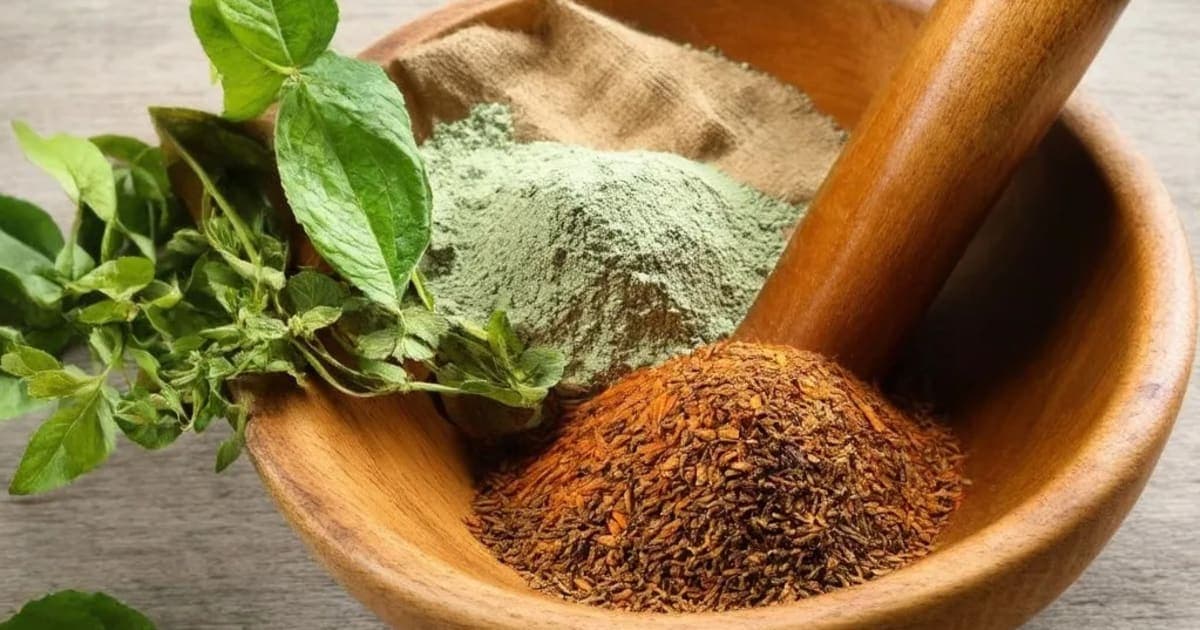
Ayurvedic Treatment for Sinus: Natural Remedies and Lifestyle Tips
Expert Reviewed
Reviewed by AyurvedicUpchar Editorial Team
Introduction
Sinus issues, often characterized by nasal congestion, facial pressure, and headaches, affect millions of people globally. In modern terms, this inflammation of the sinus linings can be acute or chronic, significantly impacting daily life and sleep quality. While conventional medicine often relies on antibiotics or decongestants, many seek natural alternatives for long-term management. Ayurveda offers a holistic approach, viewing sinus problems not just as a local infection but as a systemic imbalance. Understanding these traditional perspectives can provide valuable tools for maintaining respiratory health and reducing reliance on temporary fixes.
Ayurvedic Perspective
In Ayurveda, sinus congestion is primarily linked to an imbalance of the Kapha dosha, which governs structure and fluid in the body. When Kapha becomes aggravated, it leads to the accumulation of excess mucus, known as 'Shleshma,' blocking the natural channels or 'Srotas' in the head. Ancient texts like the Charaka Samhita describe this condition as 'Peenas' or 'Pratishyaya,' attributing it to the vitiation of Vata and Kapha. The root cause is often poor digestion or 'Ama' (toxins) rising to the head, obstructing airflow and causing discomfort. Restoring balance involves clearing these toxins and pacifying the aggravated doshas through targeted interventions.
Common Causes
Several factors can trigger or worsen sinus imbalances according to Ayurvedic principles. First, consuming cold, heavy, and oily foods increases Kapha, leading to mucus production. Second, irregular eating habits and poor digestion create toxins that circulate upward. Third, exposure to cold, damp weather or sudden temperature changes can aggravate the condition. Fourth, sleeping during the day or staying up too late disrupts the body's natural rhythms. Fifth, emotional stress and suppressed emotions can block energy flow in the head. Sixth, lack of physical activity slows metabolism and mucus clearance. Finally, allergens like dust, pollen, or strong chemicals act as external triggers that irritate sensitive nasal passages.
Home Remedies
Turmeric and Ginger Tea
Ingredients: 1 cup water, 1/2 teaspoon turmeric powder, 1/2 inch fresh ginger, 1 teaspoon honey.
Preparation: Boil water with crushed ginger and turmeric for five minutes. Strain the liquid and add honey once it cools slightly.
How to Use: Drink this warm tea twice daily, preferably in the morning and evening, for two weeks.
Why It Works: Turmeric reduces inflammation while ginger aids digestion and clears toxins, collectively balancing Kapha dosha.
Steam Inhalation with Eucalyptus
Ingredients: 1 liter boiling water, 3 drops eucalyptus essential oil, 1 drop peppermint oil.
Preparation: Pour boiling water into a bowl and add the essential oils. Ensure the area is well-ventilated but draft-free.
How to Use: Cover your head with a towel and inhale the steam deeply for 5-10 minutes once daily.
Why It Works: The warm vapor liquefies thick mucus, and the oils possess properties that traditionally help open blocked nasal passages.
Triphala Nasal Wash
Ingredients: 1 cup warm distilled water, 1/4 teaspoon Triphala powder, a pinch of sea salt.
Preparation: Dissolve the Triphala powder and salt thoroughly in warm water until no grains remain visible.
How to Use: Use a neti pot to rinse each nostril gently every morning for one week, then twice weekly.
Why It Works: Triphala is a renowned formulation that cleanses the nasal channels and removes accumulated toxins without drying the mucosa.
Black Pepper and Honey Paste
Ingredients: 1 teaspoon black pepper powder, 1 teaspoon raw honey.
Preparation: Mix the black pepper powder and honey in a small bowl to form a smooth, consistent paste.
How to Use: Lick half a teaspoon of this mixture slowly after meals, twice a day for ten days.
Why It Works: Black pepper generates heat to digest mucus, while honey acts as a carrier to deliver the herb deep into the tissues.
Clove and Cinnamon Gargle
Ingredients: 1 cup warm water, 2 crushed cloves, 1/2 teaspoon cinnamon powder.
Preparation: Steep the crushed cloves and cinnamon in hot water for ten minutes, then strain the liquid.
How to Use: Gargle with this warm liquid three times a day, ensuring you reach the back of the throat.
Why It Works: These warming spices reduce throat irritation and prevent post-nasal drip, which often accompanies sinus congestion.
Mustard Oil Nasal Drop
Ingredients: 1 tablespoon pure mustard oil, 1 pinch dried ginger powder.
Preparation: Warm the mustard oil slightly and mix in the dried ginger powder until well blended.
How to Use: Put two drops in each nostril before bed, tilting the head back slightly for absorption.
Why It Works: Mustard oil penetrates deeply to clear blockages, and ginger provides the necessary heat to counteract cold Kapha qualities.
Diet Recommendations
Diet plays a crucial role in managing sinus health. It is beneficial to consume warm, light, and spicy foods like soups, steamed vegetables, and legumes. Incorporating pungent spices such as black pepper, cumin, and fenugreek helps digest mucus. Conversely, one should avoid cold drinks, ice cream, yogurt, cheese, and heavy wheat products, as these increase Kapha and thicken secretions. Eating fresh, cooked meals at regular intervals supports strong digestion, preventing the formation of toxins that exacerbate sinus issues. Staying hydrated with warm water throughout the day is also essential.
Lifestyle & Yoga
Adopting a consistent daily routine supports respiratory wellness. Practicing yoga asanas like Bhujangasana (Cobra Pose), Matsyasana (Fish Pose), and Setu Bandhasana (Bridge Pose) helps open the chest and improve airflow. Pranayama techniques such as Anulom Vilom (Alternate Nostril Breathing) and Kapalbhati (Skull Shining Breath) are highly effective for clearing nasal passages. Avoiding daytime sleeping and ensuring early rising can prevent Kapha accumulation. Regular exercise and keeping the head warm in cold weather are also advisable lifestyle modifications.
When to See a Doctor
While home remedies may help manage symptoms, medical attention is necessary if you experience high fever, severe headache, or vision changes. If symptoms persist for more than ten days or worsen despite home care, consult a healthcare professional. Immediate evaluation is required if there is swelling around the eyes or confusion, as these may indicate serious complications requiring conventional intervention.
Disclaimer
This content is for informational purposes only and does not constitute medical advice, diagnosis, or treatment. Always seek the advice of your physician or qualified health provider with any questions regarding a medical condition. Never disregard professional medical advice or delay seeking it because of something you have read here. Ayurvedic remedies may interact with medications; consult a practitioner before starting.
Frequently Asked Questions
Can Ayurveda completely cure chronic sinusitis?
Ayurveda focuses on managing symptoms and addressing the root cause rather than claiming a definitive cure. While many individuals find significant long-term relief, results vary based on individual constitution and severity.
How long does it take to see results with these remedies?
The timeline for improvement depends on the chronicity of the condition and adherence to the regimen. Some people notice reduced congestion within a few days, while others may require several weeks of consistent practice.
Is Nasya safe to perform every day?
Nasya is generally safe when performed correctly with appropriate oils, but daily use should be guided by an Ayurvedic practitioner. Overuse can sometimes irritate the nasal mucosa if the wrong oil or quantity is used.
Are there specific foods I must avoid during a sinus flare-up?
Yes, it is traditionally recommended to avoid cold foods, dairy products like yogurt, and heavy, fried items that increase Kapha. These foods can thicken mucus and worsen congestion according to Ayurvedic principles.
Can children use these Ayurvedic home remedies?
Many gentle remedies like steam inhalation are suitable for children, but dosage and specific herbs must be adjusted for their age and weight. It is essential to consult a qualified healthcare provider before starting any new treatment for children.
Related Articles
Ayurvedic Home Remedies and Solutions for Period Pain
Discover effective Ayurvedic home remedies, diet tips, and yoga practices to naturally relieve period pain and balance Vata Dosha.
5 min read
PCOD and PCOS Ayurvedic Treatment: Home Remedies and Complete Guide
Discover effective Ayurvedic treatments for PCOD and PCOS including home remedies like cinnamon-honey decoction, fenugreek water, and dietary changes to balance hormones naturally.
5 min read
Jaundice Home Remedies: Ayurvedic Cures and Diet Guide
Discover effective Ayurvedic home remedies for Jaundice (Kamla). Learn about natural cures using sugarcane, turmeric, and radish leaves, plus a complete diet guide to restore liver health.
5 min read
Dengue Home Remedies: Ayurvedic Tips and Precautions
Discover effective Ayurvedic home remedies for Dengue fever, including papaya leaf juice and tulsi, along with diet tips and yoga practices to boost platelets and recovery.
6 min read
Ayurvedic Treatment for Fatty Liver: Home Remedies and Diet Guide
Discover effective Ayurvedic home remedies, diet tips, and yoga practices to reverse fatty liver naturally. Learn how to balance doshas and detoxify your liver with traditional Indian wisdom.
6 min read
Home Ayurvedic Remedies for Tonsils: Symptoms, Causes, and Cures
Discover effective home Ayurvedic remedies for tonsillitis including salt gargles, ginger-honey decoctions, and clove sucking. Learn about causes, diet tips, and yoga to heal throat inflammation naturally.
6 min read
References & Sources
This article is based on principles from classical Ayurvedic texts including Charaka Samhita, Sushruta Samhita, and Ashtanga Hridaya. Content has been reviewed for accuracy by our editorial team. For specific medical conditions, always consult a qualified Ayurvedic practitioner or healthcare provider.
- • Charaka Samhita (चरक संहिता)
- • Sushruta Samhita (सुश्रुत संहिता)
- • Ashtanga Hridaya (अष्टांग हृदय)
Found an error in this article? Let us know