
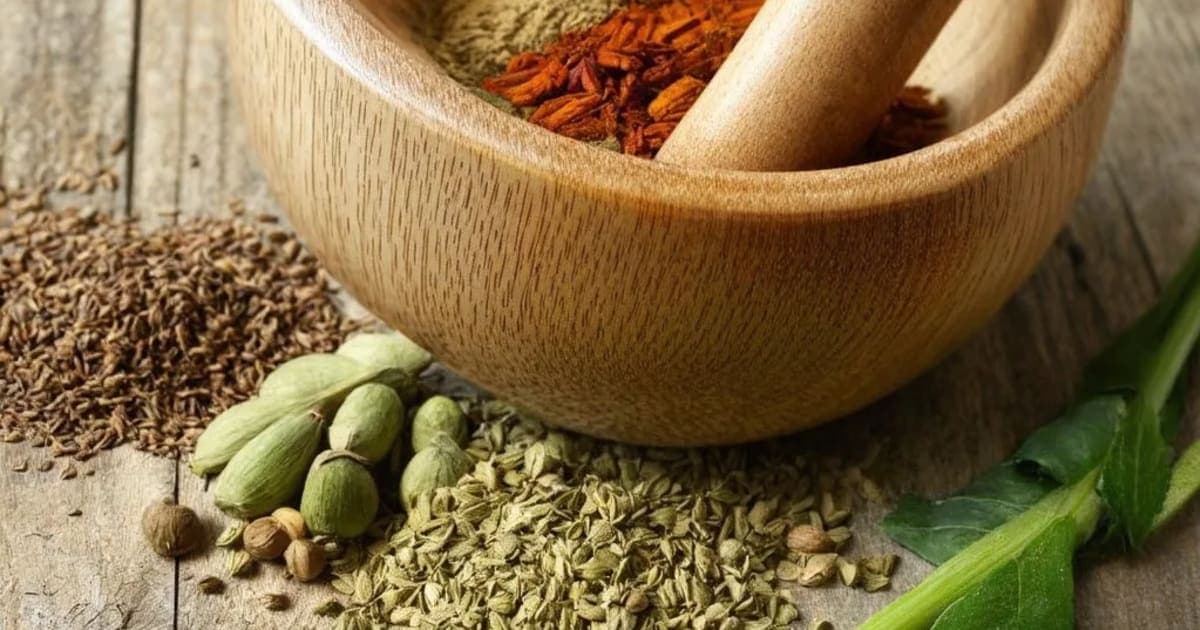
Ayurvedic Treatment for PCOS and PCOD: Natural Remedies and Lifestyle Guide
Expert Reviewed
Reviewed by AyurvedicUpchar Editorial Team
Introduction
Polycystic Ovary Syndrome (PCOS) and Polycystic Ovarian Disease (PCOD) are widespread hormonal disorders affecting millions of women globally. These conditions often manifest as irregular menstrual cycles, weight gain, excessive hair growth, and fertility challenges. While modern medicine focuses on symptom management, many individuals seek holistic approaches to address root causes. Understanding the prevalence and impact of these conditions is crucial because they significantly affect physical health, emotional well-being, and long-term metabolic function. Early intervention through natural means may help improve quality of life.
Ayurvedic Perspective
In Ayurveda, PCOS and PCOD are primarily linked to an imbalance in the Kapha and Vata doshas, with occasional involvement of Pitta. The ancient texts, including the Charaka Samhita, describe similar conditions under 'Artava Kshaya' or 'Nashta Artava,' indicating disrupted reproductive tissue. Ayurveda suggests that the root cause lies in 'Ama' (toxins) accumulation due to weak digestion ('Agni'), which blocks the channels ('Srotas') responsible for reproduction. This blockage prevents proper formation of ovarian follicles, leading to cysts. Restoring digestive fire and clearing toxins are central to the Ayurvedic approach.
Common Causes
Several factors contribute to the development of PCOS and PCOD according to Ayurvedic principles. First, a diet heavy in cold, oily, and processed foods increases Kapha dosha. Second, a sedentary lifestyle with little physical activity leads to toxin buildup. Third, chronic stress and emotional turmoil disturb Vata dosha, affecting hormonal regulation. Fourth, irregular sleeping patterns disrupt the body's natural circadian rhythms. Fifth, excessive consumption of dairy and sugar can aggravate Kapha. Sixth, genetic predisposition plays a role when combined with poor lifestyle choices. Seventh, exposure to environmental toxins and endocrine disruptors adds to the burden. Finally, suppressing natural urges or emotions can create internal blockages.
Home Remedies
Cinnamon and Honey Drink
Ingredients: 1 teaspoon cinnamon powder, 1 teaspoon raw honey, 1 cup warm water.
Preparation: Mix cinnamon powder in warm water, stir well, and add honey once the water is lukewarm.
How to Use: Drink this mixture every morning on an empty stomach for at least three months.
Why It Works: Cinnamon helps regulate blood sugar and improves insulin sensitivity, while honey supports digestion and reduces Kapha.
Fenugreek Seed Soak
Ingredients: 1 tablespoon fenugreek seeds, 1 cup water.
Preparation: Soak fenugreek seeds in water overnight. In the morning, strain the water and chew the soaked seeds.
How to Use: Consume the seeds and drink the water first thing in the morning daily.
Why It Works: Fenugreek is traditionally used to balance hormones and support healthy ovarian function by reducing Ama.
Ashwagandha Milk Tonic
Ingredients: 1/2 teaspoon Ashwagandha powder, 1 cup warm milk (dairy or plant-based), a pinch of turmeric.
Preparation: Warm the milk, mix in Ashwagandha powder and turmeric until dissolved.
How to Use: Drink this tonic before bedtime every night for two to three months.
Why It Works: Ashwagandha is an adaptogen that may help reduce stress-induced hormonal imbalances and support Vata dosha.
Triphala Detox Tea
Ingredients: 1 teaspoon Triphala powder, 1 cup hot water.
Preparation: Steep Triphala powder in hot water for 10 minutes, then strain.
How to Use: Drink this tea once daily in the evening, preferably before dinner.
Why It Works: Triphala aids digestion, clears toxins from the gastrointestinal tract, and supports regular bowel movements essential for hormonal health.
Spearmint Herbal Infusion
Ingredients: 1 tablespoon dried spearmint leaves, 1 cup boiling water.
Preparation: Pour boiling water over spearmint leaves and let it steep for 15 minutes.
How to Use: Sip this infusion twice daily, especially during the follicular phase of the menstrual cycle.
Why It Works: Spearmint is traditionally believed to help reduce excess androgens, potentially alleviating symptoms like hirsutism.
Turmeric and Black Pepper Paste
Ingredients: 1/2 teaspoon turmeric powder, a pinch of black pepper, 1 teaspoon warm water.
Preparation: Mix turmeric and black pepper with warm water to form a smooth paste.
How to Use: Consume this paste once daily with warm milk or water for six weeks.
Why It Works: Turmeric reduces inflammation and oxidative stress, while black pepper enhances bioavailability, supporting overall metabolic health.
Diet Recommendations
A balanced diet is vital for managing PCOS and PCOD. Focus on warm, cooked foods that are easy to digest, such as mung dal, quinoa, and leafy greens. Include spices like ginger, cumin, and fennel to boost Agni. Foods to avoid include cold drinks, refined sugars, processed snacks, and excessive dairy, as these increase Kapha and Ama. Eating at regular intervals and avoiding overeating helps maintain metabolic stability. Hydration with warm water throughout the day supports toxin elimination.
Lifestyle & Yoga
Incorporating specific yoga asanas can significantly benefit hormonal balance. Practice Bhujangasana (Cobra Pose), Dhanurasana (Bow Pose), and Badhakonasana (Butterfly Pose) daily to stimulate reproductive organs. Pranayama techniques like Nadi Shodhana (Alternate Nostril Breathing) and Bhramari (Bee Breath) help calm the nervous system. Establishing a consistent daily routine, including early rising and adequate sleep, aligns the body with natural circadian rhythms. Regular physical activity, even a brisk 30-minute walk, is highly recommended.
When to See a Doctor
While Ayurvedic remedies may help manage symptoms, consult a healthcare provider if you experience severe pelvic pain, sudden weight changes, or prolonged absence of menstruation. Immediate medical attention is necessary if there are signs of diabetes or high blood pressure. Professional guidance ensures safe integration of herbal remedies with any existing treatments.
Disclaimer
The information provided in this article is for educational purposes only and is not intended to diagnose, treat, cure, or prevent any disease. Ayurvedic practices mentioned are traditionally used and may vary in effectiveness. Always consult with a qualified healthcare professional before starting any new health regimen, especially if you are pregnant, nursing, or taking medication.
Frequently Asked Questions
Can Ayurveda completely cure PCOS?
Ayurveda focuses on managing symptoms and addressing root causes rather than claiming a complete cure. It aims to restore balance to the doshas and improve overall well-being through lifestyle and dietary changes.
How long does it take to see results with Ayurvedic remedies?
Results vary depending on the individual's constitution and severity of the condition. Generally, consistent practice over three to six months is recommended to observe noticeable improvements.
Are these remedies safe during pregnancy?
Many herbal remedies are not recommended during pregnancy. It is crucial to consult a qualified Ayurvedic practitioner and your obstetrician before using any herbs or supplements while pregnant.
Can I continue my prescribed medication while using Ayurvedic treatments?
Yes, but you should always inform your doctor about any herbal remedies you plan to use. This ensures there are no adverse interactions between conventional medications and Ayurvedic herbs.
Is diet really that important for PCOS management?
Yes, diet plays a critical role in managing PCOS as it directly affects insulin levels and inflammation. A balanced, dosha-appropriate diet can significantly reduce symptoms and support hormonal balance.
Related Articles
Ayurvedic Home Remedies and Solutions for Period Pain
Discover effective Ayurvedic home remedies, diet tips, and yoga practices to naturally relieve period pain and balance Vata Dosha.
5 min read
PCOD and PCOS Ayurvedic Treatment: Home Remedies and Complete Guide
Discover effective Ayurvedic treatments for PCOD and PCOS including home remedies like cinnamon-honey decoction, fenugreek water, and dietary changes to balance hormones naturally.
5 min read
Jaundice Home Remedies: Ayurvedic Cures and Diet Guide
Discover effective Ayurvedic home remedies for Jaundice (Kamla). Learn about natural cures using sugarcane, turmeric, and radish leaves, plus a complete diet guide to restore liver health.
5 min read
Dengue Home Remedies: Ayurvedic Tips and Precautions
Discover effective Ayurvedic home remedies for Dengue fever, including papaya leaf juice and tulsi, along with diet tips and yoga practices to boost platelets and recovery.
6 min read
Ayurvedic Treatment for Fatty Liver: Home Remedies and Diet Guide
Discover effective Ayurvedic home remedies, diet tips, and yoga practices to reverse fatty liver naturally. Learn how to balance doshas and detoxify your liver with traditional Indian wisdom.
6 min read
Home Ayurvedic Remedies for Tonsils: Symptoms, Causes, and Cures
Discover effective home Ayurvedic remedies for tonsillitis including salt gargles, ginger-honey decoctions, and clove sucking. Learn about causes, diet tips, and yoga to heal throat inflammation naturally.
6 min read
References & Sources
This article is based on principles from classical Ayurvedic texts including Charaka Samhita, Sushruta Samhita, and Ashtanga Hridaya. Content has been reviewed for accuracy by our editorial team. For specific medical conditions, always consult a qualified Ayurvedic practitioner or healthcare provider.
- • Charaka Samhita (चरक संहिता)
- • Sushruta Samhita (सुश्रुत संहिता)
- • Ashtanga Hridaya (अष्टांग हृदय)
Found an error in this article? Let us know