
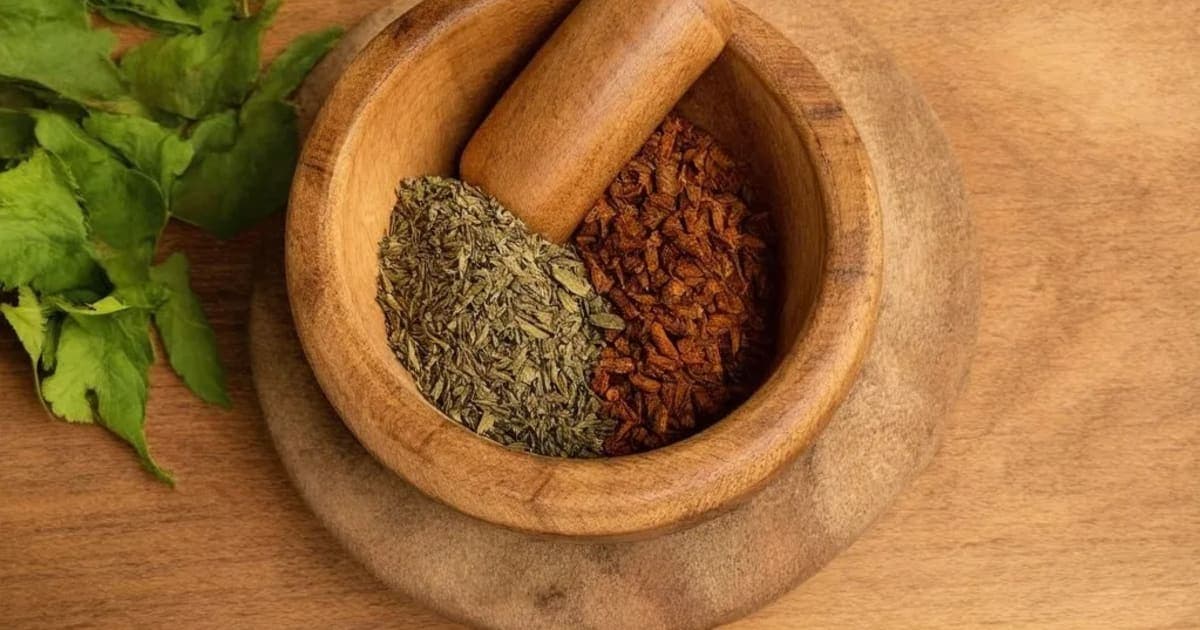
Ayurvedic Treatment for Joint Pain: Natural Remedies and Lifestyle Guide
Expert Reviewed
Reviewed by AyurvedicUpchar Editorial Team
Introduction
Joint pain is a widespread concern affecting millions of people globally, ranging from occasional stiffness to chronic discomfort that limits daily activities. Often associated with aging, it can also impact younger individuals due to lifestyle factors, injuries, or inflammatory conditions. This condition matters significantly because it directly affects mobility, independence, and overall quality of life. While modern medicine offers pain relievers, many seek natural alternatives to address the underlying imbalances rather than just masking symptoms. Ayurveda provides a holistic framework to understand and manage joint discomfort effectively.
Ayurvedic Perspective
In Ayurveda, joint pain is primarily linked to an aggravation of Vata dosha, the energy governing movement and circulation within the body. When Vata becomes imbalanced, it accumulates in the joints, leading to dryness, stiffness, and pain. Ancient texts like the Charaka Samhita describe this condition as 'Sandhigata Vata,' where vitiated air element dries up the lubricating fluids in the joints. Sushruta Samhita further emphasizes that poor digestion and the accumulation of toxins (Ama) can block channels, worsening the pain. Restoring balance to Vata and clearing these toxins are central to Ayurvedic healing.
Common Causes
Several factors contribute to the development of joint pain according to Ayurvedic principles. First, a Vata-aggravating diet including dry, cold, and light foods can disturb internal balance. Second, irregular eating habits and skipping meals weaken digestive fire, leading to toxin formation. Third, excessive physical exertion or holding incorrect postures strains the joints. Fourth, exposure to cold and windy weather exacerbates Vata dosha significantly. Fifth, emotional stress and anxiety disrupt the nervous system, increasing pain sensitivity. Sixth, lack of proper sleep prevents tissue repair and regeneration. Seventh, suppressing natural urges like hunger or thirst creates internal conflict. Finally, aging naturally increases Vata, making joints more vulnerable to wear and tear over time.
Home Remedies
Warm Sesame Oil Massage
Ingredients: 2 tablespoons of organic cold-pressed sesame oil.
Preparation: Gently warm the oil in a small bowl placed in hot water until it is comfortably warm to touch.
How to Use: Massage gently into affected joints for 10 minutes daily before bed; leave overnight.
Why It Works: Sesame oil is deeply penetrating and Vata-pacifying, helping to lubricate dry joints and soothe nerve endings effectively.
Turmeric and Ginger Paste
Ingredients: 1 teaspoon turmeric powder, 1 teaspoon fresh ginger paste, and enough warm water to mix.
Preparation: Mix the powders and pastes thoroughly in a small bowl to form a smooth, consistent thick paste.
How to Use: Apply directly on swollen joints, cover with a cloth, and leave for 30 minutes before rinsing with warm water.
Why It Works: Both ingredients possess strong anti-inflammatory properties that traditionally help reduce swelling and clear blocked channels.
Ashwagandha Warm Milk
Ingredients: 1 cup whole milk, ½ teaspoon Ashwagandha root powder, and a pinch of cardamom.
Preparation: Simmer the milk with the powder and spice for 5 minutes until the mixture is warm and well blended.
How to Use: Drink this warm mixture once daily at night before going to sleep for best restorative results.
Why It Works: Ashwagandha is a renowned rejuvenator that strengthens muscles and bones while calming the nervous system naturally.
Epsom Salt Soak
Ingredients: 1 cup of Epsom salts and a basin of warm water large enough for immersion.
Preparation: Dissolve the salts completely in the warm water ensuring no granules remain at the bottom.
How to Use: Soak the painful joints for 15 to 20 minutes, ideally in the evening to relax muscles.
Why It Works: Magnesium absorption through the skin helps relax tight muscles and reduces inflammation around the joint area.
Fenugreek Seed Soak
Ingredients: 1 tablespoon of whole fenugreek seeds and 1 cup of water.
Preparation: Soak the seeds in water overnight and drink the water while chewing the softened seeds in the morning.
How to Use: Consume this first thing in the morning on an empty stomach for maximum absorption and benefit.
Why It Works: Fenugreek contains compounds that may help reduce inflammation and support joint health by clearing metabolic waste.
Guggulu Herbal Compress
Ingredients: ½ teaspoon Guggulu powder, 1 tablespoon warm water, and a clean cotton cloth.
Preparation: Mix the powder with warm water to make a thick paste and spread it evenly on the cloth.
How to Use: Place the cloth over the painful joint for 20 minutes, repeating twice daily for relief.
Why It Works: Guggulu is traditionally used in Ayurveda to scrape away toxins and reduce deep-seated joint pain and stiffness.
Diet Recommendations
To manage joint pain, focus on a Vata-pacifying diet that includes warm, cooked, and slightly oily foods. Eat plenty of root vegetables, whole grains like rice and oats, and healthy fats such as ghee and olive oil. Spices like cumin, coriander, and fennel aid digestion and prevent toxin buildup. Conversely, avoid cold, raw, and dry foods like salads and crackers which aggravate Vata. Reduce intake of nightshades like tomatoes and potatoes if they trigger inflammation. Staying hydrated with warm water throughout the day is also essential for maintaining joint lubrication.
Lifestyle & Yoga
Incorporating specific yoga practices can significantly improve joint flexibility and reduce pain. Gentle asanas like Cat-Cow Pose, Child's Pose, and Seated Forward Bend help lubricate the joints without strain. Practice Nadi Shodhana (alternate nostril breathing) to calm the mind and balance energy flow. Establish a daily routine that includes waking up early, oil self-massage, and regular meal times. Avoiding excessive exposure to cold winds and keeping the body warm is crucial. Consistency in these practices supports long-term joint health and mobility.
When to See a Doctor
While home remedies offer relief, consult a healthcare provider if pain persists beyond two weeks or worsens. Seek immediate medical attention if you experience severe swelling, redness, fever, or inability to move the joint. These signs may indicate infection or serious underlying conditions requiring professional diagnosis and treatment.
Disclaimer
This content is for informational purposes only and does not constitute medical advice. Always consult a qualified healthcare professional before starting any new treatment. These remedies may help manage symptoms but are not intended to cure diseases.
Frequently Asked Questions
Can Ayurveda completely cure chronic joint pain?
Ayurveda aims to manage symptoms and address root causes rather than promising a complete cure. Results vary by individual, and it works best as part of a comprehensive care plan.
How long does it take to see results from Ayurvedic remedies?
Most people notice gradual improvements within a few weeks of consistent practice. Chronic conditions may require several months of dedicated lifestyle and dietary changes.
Are these remedies safe for everyone to use?
While generally safe, individuals with specific allergies, pregnancy, or chronic illnesses should consult a doctor before using herbal remedies or new dietary plans.
Can I continue my prescribed medication while using these remedies?
Yes, but you should inform your doctor about any herbal supplements you plan to take to avoid potential interactions with your current medications.
Is diet really important for joint pain management?
Yes, diet plays a crucial role as certain foods can either aggravate or pacify the doshas involved in joint pain, directly influencing inflammation levels.
Related Articles
Ayurvedic Home Remedies and Solutions for Period Pain
Discover effective Ayurvedic home remedies, diet tips, and yoga practices to naturally relieve period pain and balance Vata Dosha.
5 min read
PCOD and PCOS Ayurvedic Treatment: Home Remedies and Complete Guide
Discover effective Ayurvedic treatments for PCOD and PCOS including home remedies like cinnamon-honey decoction, fenugreek water, and dietary changes to balance hormones naturally.
5 min read
Jaundice Home Remedies: Ayurvedic Cures and Diet Guide
Discover effective Ayurvedic home remedies for Jaundice (Kamla). Learn about natural cures using sugarcane, turmeric, and radish leaves, plus a complete diet guide to restore liver health.
5 min read
Dengue Home Remedies: Ayurvedic Tips and Precautions
Discover effective Ayurvedic home remedies for Dengue fever, including papaya leaf juice and tulsi, along with diet tips and yoga practices to boost platelets and recovery.
6 min read
Ayurvedic Treatment for Fatty Liver: Home Remedies and Diet Guide
Discover effective Ayurvedic home remedies, diet tips, and yoga practices to reverse fatty liver naturally. Learn how to balance doshas and detoxify your liver with traditional Indian wisdom.
6 min read
Home Ayurvedic Remedies for Tonsils: Symptoms, Causes, and Cures
Discover effective home Ayurvedic remedies for tonsillitis including salt gargles, ginger-honey decoctions, and clove sucking. Learn about causes, diet tips, and yoga to heal throat inflammation naturally.
6 min read
References & Sources
This article is based on principles from classical Ayurvedic texts including Charaka Samhita, Sushruta Samhita, and Ashtanga Hridaya. Content has been reviewed for accuracy by our editorial team. For specific medical conditions, always consult a qualified Ayurvedic practitioner or healthcare provider.
- • Charaka Samhita (चरक संहिता)
- • Sushruta Samhita (सुश्रुत संहिता)
- • Ashtanga Hridaya (अष्टांग हृदय)
Found an error in this article? Let us know