
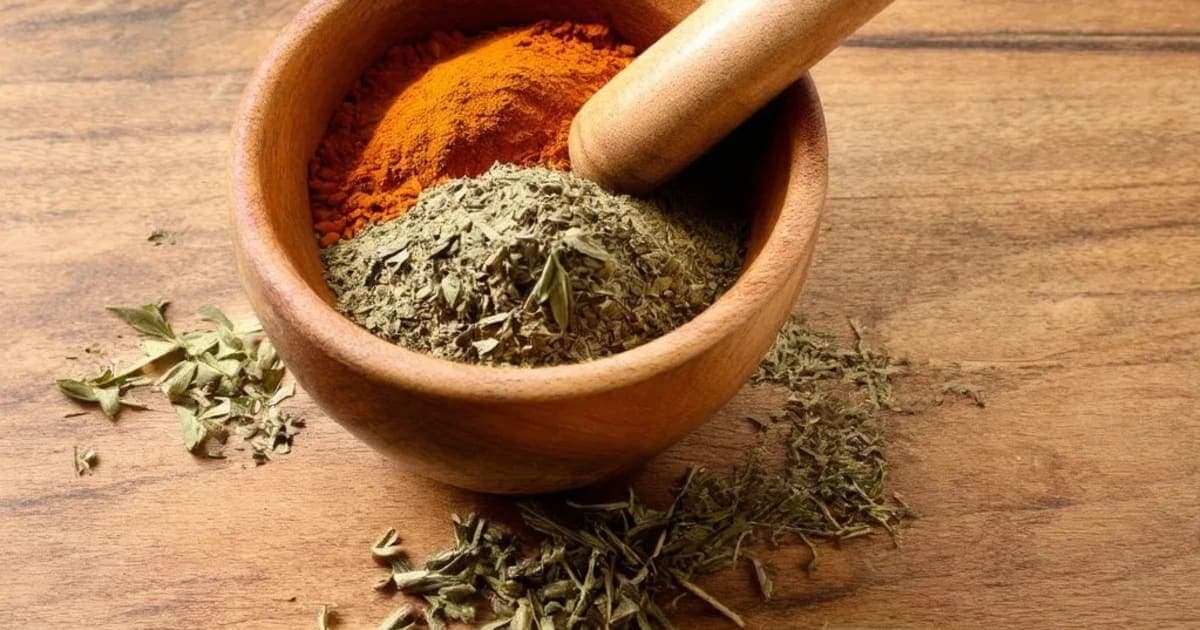
Ayurvedic Treatment for Asthma: Home Remedies and Complete Guide
Expert Reviewed
Reviewed by AyurvedicUpchar Editorial Team
Introduction
Asthma, known in the ancient wisdom of Ayurveda as 'Tamaka Shwasa', is a chronic respiratory condition characterized by difficulty in breathing, tightness in the chest, and recurring coughs. In our current times, due to rising pollution levels and shifting lifestyle patterns, this issue is spreading rapidly among people of all ages, from young children to the elderly. It is not merely a physical discomfort; it deeply affects a person's daily activities and the quality of their sleep. However, taking timely measures in the right direction can play a crucial role in reducing the severity of attacks and helping the patient lead a normal, breathable life.
Ayurvedic Perspective
According to ancient Ayurvedic texts, specifically the Charaka Samhita and Sushruta Samhita, asthma arises primarily from an imbalance in the 'Vata' and 'Kapha' doshas (bio-energies). When our digestive fire, or 'Agni', becomes weak, it leads to the formation of 'Ama' (toxins) in the body. This sticky toxin accumulates in the lungs and respiratory passages. In Ayurveda, this condition is termed 'Tamaka Shwasa', which literally translates to breathing that feels suffocating or dark. The root cause is not just external factors like dust, but the internal imbalance of the body. When Kapha combines with Vata, it blocks the pathways of the lungs, creating an obstacle to free breathing. Therefore, the main goal of Ayurvedic treatment is to pacify these aggravated doshas and expel the accumulated mucus from the system.
Common Causes
Several factors can trigger an asthma flare-up, ranging from diet and lifestyle to environmental influences. Firstly, consuming food that is hard to digest or eating cold items increases Kapha. Secondly, exposure to allergens like dust, smoke, and pollen grains. Thirdly, weather conditions that are excessively cold or damp. Fourthly, mental stress and anxiety, which aggravate the Vata dosha. Fifthly, sleeping during the day or staying awake late at night disrupts the body's natural rhythm. Sixthly, either a lack of exercise or engaging in excessive physical strain. Seventhly, the habit of smoking and consuming alcohol. Lastly, genetic factors can also play a significant role. All these elements combined weaken the respiratory system and pave the way for asthma attacks.
Home Remedies
Ginger and Honey Decoction
Ingredients: 1 teaspoon fresh ginger juice, 1 teaspoon pure honey, half a cup of warm water.
Preparation: Start by grating fresh ginger and squeezing out its juice. Mix this juice with honey and dissolve the mixture in warm water. Shake or stir the mixture well until it becomes uniform.
How to Use: Consume this mixture twice a day, once in the morning and once in the evening on an empty stomach. Regular use for 2-3 weeks can show beneficial results.
Why It Works: Ginger is known to pacify both Vata and Kapha doshas and helps in opening up the respiratory passages, while honey provides moisture to the throat and soothes irritation.
Clove and Tulsi Tea
Ingredients: 4-5 Tulsi (Holy Basil) leaves, 4-5 Cloves, 1 cup water, a pinch of black pepper.
Preparation: Pour water into a vessel and add the Tulsi leaves, cloves, and black pepper. Bring it to a boil. When the water reduces to half its quantity, strain the liquid.
How to Use: Drink this tea warm, twice a day. Consuming this during the winter season can be particularly beneficial for preventing cold-induced asthma.
Why It Works: Tulsi acts as a natural anti-allergic agent, while cloves help reduce inflammation in the respiratory tract, making breathing easier and clearer.
Turmeric Milk
Ingredients: 1 cup milk (cow's milk preferred), half a teaspoon turmeric powder, a pinch of black pepper.
Preparation: Heat the milk in a vessel. As it begins to boil, add the turmeric and black pepper, and let it simmer for 2-3 minutes to activate the compounds.
How to Use: Drink this milk warm before going to bed at night. Taking this daily at night can strengthen immunity and respiratory health.
Why It Works: Turmeric contains curcumin, which is rich in anti-inflammatory properties. It helps thin out the mucus, aiding in its expulsion from the lungs.
Garlic Milk
Ingredients: 3-4 cloves of garlic (chopped), 1 cup milk, 1 cup water.
Preparation: Add the chopped garlic cloves to a mixture of milk and water and cook it. Continue boiling until the milk thickens and the water evaporates, then strain the liquid.
How to Use: Drink this milk slightly warm before sleeping at night. Since the taste can be bitter, you may mix in a little honey to make it palatable.
Why It Works: Garlic is traditionally considered highly effective in loosening accumulated mucus from the lungs and cleansing the respiratory pathways.
Licorice and Honey Paste
Ingredients: Half a teaspoon Licorice (Mulethi) powder, 1 teaspoon honey.
Preparation: Mix the Licorice powder with honey to form a thick paste. You can store this mixture in an airtight glass jar.
How to Use: Lick this mixture 2-3 times a day. It can provide immediate relief to the throat during coughing fits.
Why It Works: Licorice is extremely beneficial for the throat and lungs; it helps reduce phlegm and improves the overall breathing process.
Fennel and Sugar Candy Water
Ingredients: 1 teaspoon Fennel seeds (Saunf), half a teaspoon Sugar Candy (Mishri), 1 cup water.
Preparation: Soak the fennel seeds and sugar candy in water overnight. In the morning, strain the water and warm it slightly.
How to Use: Drink this water on an empty stomach in the morning. Regular consumption can positively impact both digestion and respiration.
Why It Works: Fennel helps balance Kapha, and sugar candy provides a cooling effect to the body, which can offer relief in Vata-Kapha type asthma.
Diet Recommendations
For asthma patients, a balanced diet is absolutely essential. Include light and easy-to-digest foods in your meals, such as old rice, Moong dal, green vegetables, ginger, garlic, and black pepper. Drinking warm water throughout the day is highly beneficial. Conversely, avoid curd, cold milk, bananas, potatoes, fried items, gram flour (besan), and excessively salty or sour substances, as these tend to increase Kapha and mucus production. Dinner should be light and consumed at least 2-3 hours before sleeping to ensure proper digestion and prevent breathing difficulties during the night.
Lifestyle & Yoga
Lifestyle changes are a critical part of managing asthma. Regular exercise and specific Yogasanas can significantly enhance lung capacity and vitality. Practicing 'Anulom-Vilom' (Alternate Nostril Breathing) helps in balancing the flow of prana (life force) and calms the mind. 'Bhastrika Pranayama' (Bellows Breath) helps in clearing the nasal passages and strengthening the lungs. 'Kapalbhati' is excellent for expelling toxins and mucus from the respiratory tract. Additionally, keeping the living environment clean and dust-free, avoiding exposure to cold winds, and maintaining a regular sleep schedule are vital. Stress management through meditation also plays a key role, as emotional stability keeps the Vata dosha in check, preventing sudden asthma attacks.
Frequently Asked Questions
Can Ayurveda completely cure asthma?
While Ayurveda may not always 'cure' asthma in the modern sense, it effectively manages symptoms, reduces the frequency of attacks, and improves lung function by balancing Vata and Kapha doshas.
How long does it take to see results with these home remedies?
Results vary by individual. Some may feel relief within a few days, while consistent use over 2-3 weeks is generally recommended for noticeable improvement in chronic cases.
Are there any foods I must strictly avoid?
Yes, avoid cold foods, curd, bananas, fried items, and processed foods as they increase mucus production and aggravate Kapha dosha.
Is yoga safe for everyone with asthma?
Most gentle yoga and pranayama are safe, but during an acute asthma attack, one should rest. Always practice breathing exercises under guidance when starting out.
Related Articles
Ayurvedic Home Remedies and Solutions for Period Pain
Discover effective Ayurvedic home remedies, diet tips, and yoga practices to naturally relieve period pain and balance Vata Dosha.
5 min read
PCOD and PCOS Ayurvedic Treatment: Home Remedies and Complete Guide
Discover effective Ayurvedic treatments for PCOD and PCOS including home remedies like cinnamon-honey decoction, fenugreek water, and dietary changes to balance hormones naturally.
5 min read
Jaundice Home Remedies: Ayurvedic Cures and Diet Guide
Discover effective Ayurvedic home remedies for Jaundice (Kamla). Learn about natural cures using sugarcane, turmeric, and radish leaves, plus a complete diet guide to restore liver health.
5 min read
Dengue Home Remedies: Ayurvedic Tips and Precautions
Discover effective Ayurvedic home remedies for Dengue fever, including papaya leaf juice and tulsi, along with diet tips and yoga practices to boost platelets and recovery.
6 min read
Ayurvedic Treatment for Fatty Liver: Home Remedies and Diet Guide
Discover effective Ayurvedic home remedies, diet tips, and yoga practices to reverse fatty liver naturally. Learn how to balance doshas and detoxify your liver with traditional Indian wisdom.
6 min read
Home Ayurvedic Remedies for Tonsils: Symptoms, Causes, and Cures
Discover effective home Ayurvedic remedies for tonsillitis including salt gargles, ginger-honey decoctions, and clove sucking. Learn about causes, diet tips, and yoga to heal throat inflammation naturally.
6 min read
References & Sources
This article is based on principles from classical Ayurvedic texts including Charaka Samhita, Sushruta Samhita, and Ashtanga Hridaya. Content has been reviewed for accuracy by our editorial team. For specific medical conditions, always consult a qualified Ayurvedic practitioner or healthcare provider.
- • Charaka Samhita (चरक संहिता)
- • Sushruta Samhita (सुश्रुत संहिता)
- • Ashtanga Hridaya (अष्टांग हृदय)
Found an error in this article? Let us know