
Vata, Pitta, and Kapha Doshas: Symptoms, Causes, and Ayurvedic Remedies
Expert Reviewed
Reviewed by AyurvedicUpchar Editorial Team
Introduction
According to the ancient wisdom of Ayurveda, our body and mind are crafted from five great elements, which manifest as three primary life forces or 'Doshas': Vata, Pitta, and Kapha. Think of these as the invisible managers of your health, digestion, sleep cycles, and mental peace. When these three energies are in harmony, you feel vibrant, energetic, and disease-free. However, in our modern, fast-paced world filled with stress, irregular eating habits, and lack of sleep, it is very common to experience 'Tridoshaja' imbalance, where all three energies get disturbed. When even one dosha goes out of whack, various ailments creep in. Therefore, understanding your unique constitution and learning how to balance these forces is the secret to a long, healthy, and happy life.
Ayurvedic Perspective
Ancient texts like the Charaka Samhita and Sushruta Samhita describe Doshas as the fundamental pillars of the body. Charaka explains that 'Vata' (composed of Air and Space) governs all movement and communication in the body. 'Pitta' (Fire and Water) controls digestion, metabolism, and intelligence. 'Kapha' (Earth and Water) provides structure, stability, and lubrication. Ayurveda teaches that the root cause of disease is 'Agnimandya' (weak digestive fire) leading to Dosha imbalance. When our lifestyle clashes with nature, these doshas become aggravated. For instance, Vata increases with dryness and cold; Pitta flares up with heat and spicy foods; Kapha grows with heaviness and cold. To regain health, one must understand their natural constitution (Prakriti) versus their current imbalanced state (Vikriti) and adjust their diet and routine accordingly.
Common Causes
Several internal and external factors can disturb the delicate balance of Vata, Pitta, and Kapha. Here are the most common culprits:
- Irregular Diet: Skipping meals, eating at odd hours, or late-night dinners weaken the digestive fire.
- Incompatible Food: Eating foods opposite to your body type, such as a Vata person consuming too much dry, cold, or raw food.
- Stress and Anxiety: Mental tension directly aggravates Vata and spikes Pitta, leading to burnout.
- Improper Exercise: Over-exercising depletes energy and increases Vata, while a complete lack of movement causes Kapha stagnation.
- Seasonal Changes: Failing to adapt your routine to changing weather can provoke the doshas.
- Disrupted Routine: Staying up late and sleeping in late disrupts your biological clock (Dinacharya).
- Toxic Food: Consuming stale, processed, or adulterated food creates toxins (Ama) in the body.
- Emotional Imbalance: Excessive anger (Pitta), greed or attachment (Kapha), and fear or insecurity (Vata) disturb the mind-body connection.
Home Remedies
Ayurveda offers powerful, kitchen-based remedies using common herbs to restore balance to all three doshas naturally.
1. Tri-Dosha Calming Decoction
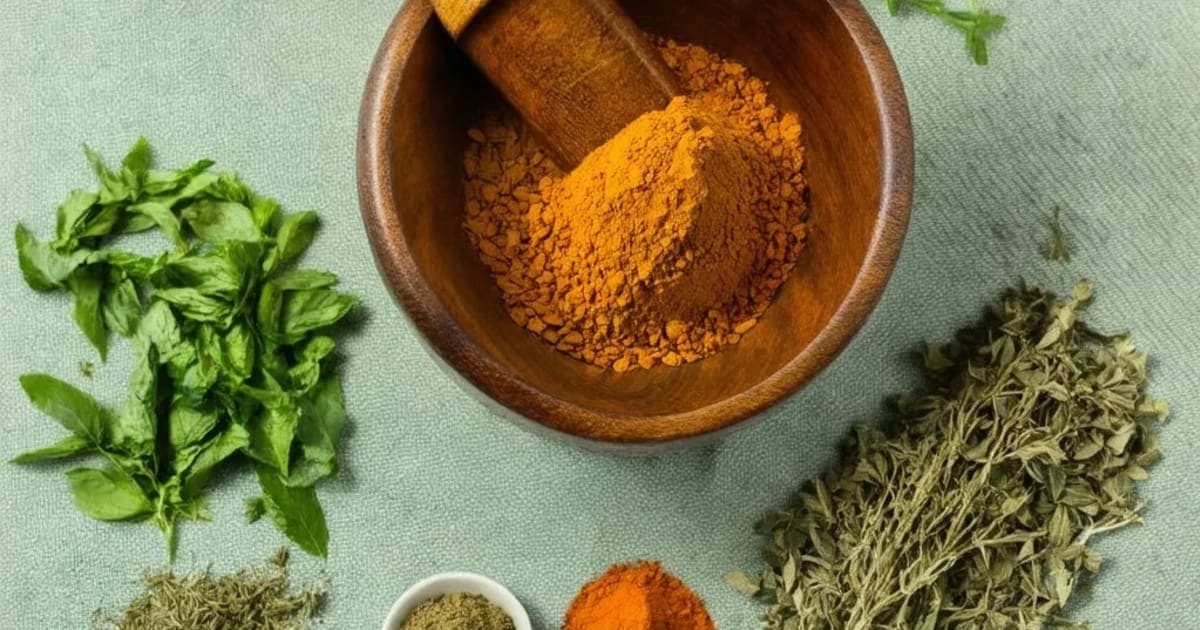
Ingredients: Fresh ginger juice (5ml), Turmeric powder (2gm), Black peppercorns (5 corns), Holy Basil/Tulsi leaves (5-6), Water (2 cups).
Preparation: Add ginger, turmeric, black pepper, and Tulsi leaves to water. Bring to a boil and simmer until the water reduces to half. Strain the liquid.
How to Use: Drink this warm on an empty stomach in the morning or before lunch. Continue daily for 15-21 days.
Why It Works: Ginger and black pepper reduce Vata and Kapha by stimulating digestion, while turmeric and Tulsi cool down Pitta and purify the blood.
2. Ghee and Fennel Mixture
Ingredients: Desi Cow Ghee (1 tsp), Fennel/Saunf powder (1/2 tsp), Warm milk (1/2 cup).
Preparation: Mix the ghee and fennel powder thoroughly into the warm milk until the ghee dissolves completely.
How to Use: Consume this mixture right before bed. It is traditionally recommended to take this for 40 consecutive days for best results.
Why It Works: Ghee is a supreme coolant that pacifies both Vata and Pitta, while fennel aids digestion, prevents Kapha buildup, and provides a soothing cooling effect.
3. Licorice and Honey Paste
Ingredients: Licorice/Mulethi powder (2gm), Raw Honey (1 tsp), Warm water (as needed).
Preparation: Mix the licorice powder with honey to form a thick paste. If it is too thick, add a tiny bit of warm water.
How to Use: Lick this paste slowly after your lunch. Take this daily for 30 days.
Why It Works: Licorice is considered 'amrit' (nectar) for Pitta disorders, soothing inflammation, while honey helps cut through Kapha mucus. This combo calms burning sensations in the gut.
4. Sesame and Jaggery Balls
Ingredients: Black Sesame seeds/Til (1 tsp), Aged Jaggery/Gur (1 tsp), Ghee (1/2 tsp).
Preparation: Lightly roast the sesame seeds. Mix with crumbled jaggery and use ghee as a binder to roll them into small balls.
How to Use: Eat one ball with warm water after breakfast. This is especially beneficial during winter for up to 60 days.
Why It Works: Sesame seeds ground Vata, jaggery boosts digestive fire, and the combination nourishes the body without aggravating Kapha.
5. Coriander-Cumin-Fennel Water
Ingredients: Coriander seeds (1 tsp), Cumin seeds (1 tsp), Fennel seeds (1 tsp), Water (3 cups).
Preparation: Soak all three spices in water overnight. In the morning, boil this water until it reduces by half, then strain.
How to Use: Sip this water throughout the day. Prepare fresh daily and use for 21 days.
Why It Works: Known as CCF tea, this is the most balanced drink for all three doshas. It flushes out toxins and brings the body back to equilibrium.
6. Ashwagandha Milk
Ingredients: Ashwagandha powder (3gm), Milk (1 cup), Nutmeg powder (a pinch).
Preparation: Boil the milk, add Ashwagandha powder and nutmeg, and simmer for 2-3 minutes.
How to Use: Drink warm before bedtime. Taking this for 45 days helps combat stress and weakness.
Why It Works: Ashwagandha calms Vata and Pitta while boosting 'Ojas' (immunity), and milk provides deep nourishment to the tissues.
Diet Recommendations
To balance the Tridosha, prioritize 'Sattvic' (pure) and fresh foods. Eat More: Cooked vegetables (like zucchini, carrots, and asparagus), Basmati rice, Mung dal (yellow split gram), Ghee, and sweet ripe fruits like pears, melons, and cherries. Whole grains like oats and quinoa are also excellent. Avoid: Processed foods, leftover food, excessive caffeine, alcohol, very spicy foods (aggravates Pitta), raw cold salads (aggravates Vata), and heavy dairy or fried foods (aggravates Kapha). Always eat your largest meal when the sun is highest (noon) when digestion is strongest.
Yoga and Lifestyle
A balanced routine is key. Yoga: Practice gentle flows like Surya Namaskar (Sun Salutations) to warm the body. Include grounding poses like Balasana (Child's Pose) for Vata, cooling forward bends like Paschimottanasana for Pitta, and energizing poses like Bhujangasana (Cobra Pose) for Kapha. Pranayama: Nadi Shodhana (Alternate Nostril Breathing) is the ultimate technique for balancing all three doshas. Lifestyle: Wake up before sunrise, scrape your tongue to remove toxins, and go to bed by 10 PM. Keep your mind calm through meditation and avoid over-stimulation from screens.
Frequently Asked Questions
What are the main signs of a Tridosha imbalance?
Signs include irregular digestion, fluctuating energy levels, mood swings, poor sleep, skin issues, and a general feeling of being unwell despite no specific diagnosis.
Can I take all these remedies at once?
No, it is best to start with one remedy, such as the CCF water or the Tri-Dosha decoction, and observe how your body reacts before adding others.
How long does it take to balance the doshas?
While some relief may be felt immediately, significant balancing of doshas typically takes 21 to 45 days of consistent diet and lifestyle changes.
Is ghee good for all body types?
Yes, high-quality Desi Cow Ghee is considered tridoshic, meaning it balances all three doshas when consumed in moderation.
Related Articles
Vata, Pitta, Kapha Doshas: The Core Concepts of Ayurveda
Discover the fundamental Ayurvedic concepts of Vata, Pitta, and Kapha doshas. Learn their characteristics, signs of imbalance, and natural remedies to restore health and vitality.
3 min read
Understanding Doshas in Ayurveda: A Complete Guide to Vata, Pitta, and Kapha
Explore the fundamental concept of doshas in Ayurveda, including Vata, Pitta, and Kapha. Learn how these energies influence your health and discover natural ways to maintain balance through diet, lifestyle, and traditional home remedies.
6 min read
Vata, Pitta, Kapha: Understanding the Three Doshas of Ayurveda
According to Ayurveda, the entire universe and human body are composed of five great elements (Pancha Mahabhuta) — Earth, Water, Fire, Air, and Space. These combine to form three biological forces called Doshas.
3 min read
References & Sources
This article is based on principles from classical Ayurvedic texts including Charaka Samhita, Sushruta Samhita, and Ashtanga Hridaya. Content has been reviewed for accuracy by our editorial team. For specific medical conditions, always consult a qualified Ayurvedic practitioner or healthcare provider.
- • Charaka Samhita (चरक संहिता)
- • Sushruta Samhita (सुश्रुत संहिता)
- • Ashtanga Hridaya (अष्टांग हृदय)
Found an error in this article? Let us know