
Asanadi Kwath के फायदे: डायबिटीज और त्वचा के घावों के लिए आयुर्वेदिक समाधान
विशेषज्ञ समीक्षित
AyurvedicUpchar संपादकीय टीम द्वारा समीक्षित
क्या है Asanadi Kwath और यह कैसे काम करता है?
Asanadi Kwath is a traditional Ayurvedic decoction where the bark of the Asana tree (Prosopis cineraria) serves as the primary ingredient, specifically prepared to manage diabetes and heal associated skin ulcers. While modern medicine often treats these symptoms separately, this ancient formulation addresses the root cause by cooling the blood and drying up excess moisture in tissues. Charaka Samhita, Sutra Sthana, describes such astringent preparations as essential for 'Ropana' (healing) when wounds refuse to close due to high blood sugar.
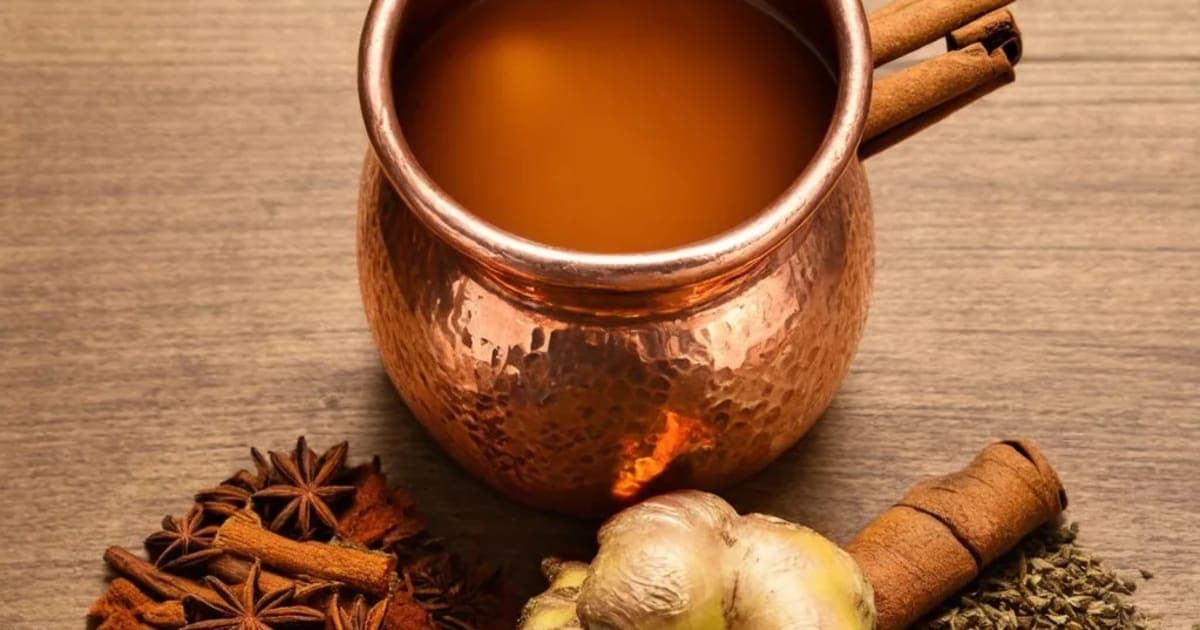
When you prepare this kwath, the water turns a deep amber color with a distinct, drying astringency that coats the throat. It is not a sweet tonic; it tastes bitter and slightly metallic, a sign of its potent blood-purifying properties. In rural Rajasthan and Gujarat, grandmothers often recommend a small cup of this decoction in the morning on an empty stomach for anyone suffering from non-healing diabetic sores or persistent skin boils.
"The unique power of Asanadi Kwath lies in its ability to simultaneously cool the blood and dry the wound, creating an environment where healing can finally begin."
Asanadi Kwath के आयुर्वेदिक गुण क्या हैं?
The therapeutic action of Asanadi Kwath is defined by its specific Ayurvedic properties: it possesses a 'Kashaya' (astringent) and 'Tikta' (bitter) taste, a 'Sheeta' (cold) potency, and a 'Katu' (pungent) post-digestive effect. These qualities work together to reduce inflammation, stop bleeding, and clear toxins from the blood without generating heat in the body. Understanding these properties helps practitioners decide exactly when this herb is safe and effective for a patient.
Unlike many cooling herbs that only reduce heat, the 'Katu' vipaka of Asanadi Kwath ensures that the digestive fire remains active enough to process the medicine, preventing the stagnation that often occurs with heavy, cold foods. This balance makes it a favorite for treating 'Daha' (burning sensation) in the feet and palms, a common complaint in diabetic patients.
| गुण (संस्कृत) | मान (मानक) | शरीर पर प्रभाव |
|---|---|---|
| रस (स्वाद) | Kashaya, Tikta | कषाय रस घावों को सुखाता है और रक्तस्राव रोकता है; तिक्त रस विषहर और रक्तशोधक है। |
| गुण (भौतिक गुण) | Laghu, Ruksha | हल्का और रूखा होने के कारण यह आसानी से ऊतकों में प्रवेश करता है और नमी को सोख लेता है। |
| वीर्य (शक्ति) | Sheeta | शीतल शक्ति त्वचा की जलन, सूजन और अत्यधिक गर्मी को तुरंत शांत करती है। |
| विपाक (पाचन के बाद) | Katu | पाचन के बाद यह पित्त को संतुलित रखते हुए चयापचय को तेज करता है। |
कौन से दोष असंतुलित होने पर Asanadi Kwath लेना चाहिए?
Asanadi Kwath is primarily indicated for balancing aggravated Pitta and Kapha doshas, making it ideal for conditions involving heat, inflammation, and excess moisture. When Pitta is high, symptoms like burning sensations, infections, and blood impurities arise; when Kapha is high, wounds become watery and slow to heal. This decoction targets both, drying the Kapha excess while cooling the Pitta fire.
However, individuals with a dominant Vata constitution must exercise caution. Because the herb is 'Ruksha' (dry) and 'Sheeta' (cold), excessive use can dry out the body's natural lubrication, leading to constipation, dry skin, or joint stiffness. A classical text, Bhavaprakasha Nighantu, advises that for Vata types, this kwath should always be taken with a teaspoon of ghee or warm milk to counteract its drying nature.
आपको कब Asanadi Kwath की आवश्यकता है?
You should consider Asanadi Kwath if you experience recurrent skin boils, non-healing diabetic ulcers, or a persistent burning sensation in the body. It is also useful for those who suffer from acidic reflux accompanied by a bitter taste in the mouth. These are clear signs of high Pitta and Kapha that require a drying, cooling intervention rather than a simple painkiller.
Many people notice a reduction in the itching and oozing of skin lesions within a few days of starting the decoction. The herb works by tightening the tissues (due to its astringent nature) and clearing the toxins that prevent healing, a process that is difficult to achieve with synthetic antibiotics alone.
Asanadi Kwath के मुख्य स्वास्थ्य लाभ
The primary benefit of Asanadi Kwath is its ability to accelerate the healing of diabetic wounds and skin ulcers by drying excess moisture and purifying the blood. It acts as a powerful natural antiseptic that prevents infection while simultaneously reducing the internal heat that causes inflammation. This dual action makes it a cornerstone treatment in Ayurvedic dermatology for stubborn skin conditions.
Beyond skin health, this decoction helps regulate blood sugar levels by improving insulin sensitivity in tissues. The 'Katu' vipaka ensures that the metabolic fire remains strong, helping the body process glucose more efficiently. Regular use, under guidance, has been observed to reduce the frequency of infections in diabetic patients.
Asanadi Kwath के उपयोग और सावधानियाँ
Asanadi Kwath is typically prepared by boiling one part of the herb in eight parts of water until it reduces to one-fourth, resulting in a concentrated, dark liquid. The standard dosage is 15-30 ml taken twice daily, usually after meals, to minimize any potential irritation to the stomach lining. It is best consumed fresh, as the astringent properties diminish if the decoction is stored for too long.
While effective, it is not a cure-all. Pregnant women should avoid it due to its drying nature, and those with severe constipation or dehydration should not use it without combining it with nourishing oils. Always consult an Ayurvedic practitioner before starting, especially if you are on allopathic medication for diabetes, as the combined effect may lower blood sugar too rapidly.
Asanadi Kwath से जुड़े अक्सर पूछे जाने वाले प्रश्न (FAQ)
क्या Asanadi Kwath डायबिटीज के घावों को ठीक कर सकता है?
Yes, Asanadi Kwath is highly effective for diabetic wounds because its astringent properties dry out the oozing fluid while its cooling nature reduces infection and inflammation. It creates an optimal environment for tissue regeneration.
Asanadi Kwath को कैसे तैयार और सेवन किया जाए?
To prepare it, boil the herb in water until it reduces to 25% of the original volume. Drink 15-30 ml twice daily, preferably after meals, or as directed by an Ayurvedic physician to ensure safety and efficacy.
क्या Vata प्रकृति वाले लोग Asanadi Kwath ले सकते हैं?
Vata individuals can take it, but only in small doses and mixed with ghee or warm milk to counteract its drying and cooling effects. Without this precaution, it may cause constipation or dry skin.
Asanadi Kwath के दुष्प्रभाव क्या हो सकते हैं?
Overuse can lead to excessive dryness, constipation, or aggravation of Vata dosha, causing joint pain or anxiety. It is not recommended for people with severe dehydration or during pregnancy without medical supervision.
अक्सर पूछे जाने वाले सवाल (FAQ)
Asanadi Kwath का आयुर्वेद में क्या उपयोग है?
Asanadi Kwath को आयुर्वेद में मुख्य रूप से Pramehaghna और कुष्ठघ्न के रूप में उपयोग किया जाता है। यह Kapha, Pitta दोष को शांत करती है।
Asanadi Kwath कैसे लेना चाहिए?
Asanadi Kwath को चूर्ण (1/2-1 चम्मच गुनगुने पानी या दूध के साथ), काढ़ा (1 चम्मच पानी में उबालें), या गोली (1-2 दैनिक) के रूप में ले सकते हैं। कम खुराक से शुरू करें और आयुर्वेदिक चिकित्सक से मार्गदर्शन लें।
क्या गर्भावस्था में Asanadi Kwath ले सकते हैं?
गर्भवती और स्तनपान कराने वाली महिलाओं को डॉक्टर की सलाह के बिना Asanadi Kwath नहीं लेना चाहिए। गर्भावस्था में अधिकांश आयुर्वेदिक जड़ी-बूटियों के लिए चिकित्सक की देखरेख आवश्यक है।
Asanadi Kwath कौन सा दोष संतुलित करता है?
Asanadi Kwath Kapha, Pitta दोष को शांत करता है।
क्या Asanadi Kwath रोज ले सकते हैं?
Asanadi Kwath को अनुशंसित खुराक में 4-8 सप्ताह तक रोज ले सकते हैं। उसके बाद 2 सप्ताह का ब्रेक लें। लंबे समय तक उपयोग के लिए आयुर्वेदिक चिकित्सक से परामर्श लें।
Asanadi Kwath के दुष्प्रभाव (side effects) क्या हैं?
अनुशंसित खुराक में Asanadi Kwath आमतौर पर सुरक्षित है। अधिक मात्रा में Vata दोष बढ़ सकता है। कोई प्रतिकूल प्रभाव दिखे तो उपयोग बंद करें।
संबंधित लेख
अश्वगंधा की शक्ति को अनलॉक करें: लाभ और उपयोग
अश्वगंधा एक प्राचीन आयुर्वेदिक जड़ी-बूटी है जो तनाव, नींद, स्मृति और समग्र स्वास्थ्य को सुधारने में मदद करती है। जानिए इसके लाभ, उपयोग और सावधानियां।
4 मिनट पढ़ने का समय
बृहत्यादि कषाय: मूत्रमार्ग स्वास्थ्य, मूत्रकृच्छ्र और सिस्टाइटिस के लिए लाभ
बृहत्यादि कषाय मूत्रमार्ग विकारों, मूत्रकृच्छ्र और सिस्टाइटिस के लिए एक प्रभावी आयुर्वेदिक कषाय है। यह पित्त और वात को संतुलित करके सूजन और जलन को कम करता है।
6 मिनट पढ़ने का समय
Asphota के फायदे: मस्तिष्क टॉनिक और तनाव मुक्ति के लिए प्राचीन आयुर्वेदिक जड़ी-बूटी
Asphota, Clitoria ternatea का एक विशेष रूप, केवल एक सुंदर फूल नहीं है; यह आयुर्वेद में शीतलता प्रदान करने वाला एक शक्तिशाली मस्तिष्क टॉनिक है। चरक संहिता में वर्णित इस जड़ी-बूटी की कड़वी और कसैली स्वाद प्रकृति इसे तनाव और गर्मी से उत्पन्न समस्याओं के लिए एक प्राकृतिक समाधान बनाती है।
6 मिनट पढ़ने का समय
Aivana (Henbane): आयुर्वेद में पीड़ा और ऐंठन के लिए सुरक्षित प्रयोग
Aivana, जिसे अंग्रेजी में Henbane कहते हैं, एक अत्यंत शक्तिशाली लेकिन जहरीली जड़ी-बूटी है जिसका प्रयोग केवल शुद्धिकृत (Purified) और अत्यल्प मात्रा में किया जाता है। चरक संहिता के अनुसार, यह तंत्रिका तंत्र को शांत करने और दर्द को तुरंत कम करने के लिए जानी जाती है, बशर्ते इसे किसी अनुभवी आयुर्वेदिक चिकित्सक की देखरेख में ही लिया जाए।
6 मिनट पढ़ने का समय
इच्छाभेदी रस: गंभीर कब्ज और वात संतुलन के लिए शक्तिशाली आयुर्वेदिक रेचक
इच्छाभेदी रस एक शक्तिशाली आयुर्वेदिक रेचक है जो गंभीर कब्ज और वात दोष के लिए प्रयोग किया जाता है। इसके गुण, उपयोग और सावधानियों के बारे में पूर्ण जानकारी।
7 मिनट पढ़ने का समय
मेदसक (Litsea glutinosa): वात-पित्त संतुलन और त्वचा उपचार के लिए लाभ
मेदसक (Litsea glutinosa) वात और पित्त दोष को शांत करने, त्वचा के घाव भरने और सूजन कम करने में सहायक एक प्रभावी आयुर्वेदिक जड़ी-बूटी है।
5 मिनट पढ़ने का समय
संदर्भ और स्रोत
यह लेख चरक संहिता, सुश्रुत संहिता और अष्टांग हृदय जैसे शास्त्रीय आयुर्वेदिक ग्रंथों के सिद्धांतों पर आधारित है। सामग्री की सटीकता की समीक्षा हमारी संपादकीय टीम द्वारा की गई है। किसी भी विशेष स्वास्थ्य समस्या के लिए कृपया योग्य आयुर्वेदिक चिकित्सक से परामर्श लें।
- • Charaka Samhita (चरक संहिता)
- • Sushruta Samhita (सुश्रुत संहिता)
- • Ashtanga Hridaya (अष्टांग हृदय)
इस लेख में कोई त्रुटि मिली? हमें बताएँ